Why Did Bulgarian PM Zhelyazkov Resign After Protests?
Click to start listening
Synopsis
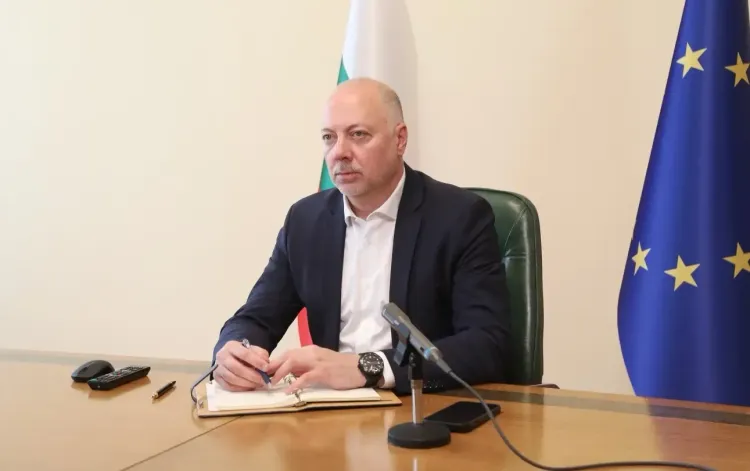
Bulgarian Prime Minister Rosen Zhelyazkov's resignation follows widespread protests ignited by a controversial budget proposal. As the nation grapples with demands for transparency and accountability, the political landscape is poised for potential changes, raising questions about the future of governance in Bulgaria.
Key Takeaways
- Zhelyazkov's resignation follows weeks of protests.
- The protests were sparked by a controversial budget proposal.
- President Radev is set to invite parties to form a new government.
- The government has faced multiple votes of confidence since January.
- Public dissatisfaction has fueled a nationwide movement.
Sofia, Dec 11 (NationPress) Bulgarian Prime Minister Rosen Zhelyazkov announced his resignation on Thursday following weeks of extensive protests across various cities in the nation. This announcement came just before the Cabinet was set to confront another vote of confidence, marking the sixth since taking office in January.
“We are confident that in the upcoming vote of no confidence, the government will gain support. However, the decisions made by the National Assembly are only meaningful when they reflect the will of the sovereign,” Politico reported Zhelyazkov stating.
A formal vote regarding the government’s resignation is expected at the next parliamentary session, where the coalition still holds a majority.
“Our aim is to meet the expectations of society. As dictated by the constitution, power originates from the people's voice. We are attentive to the citizens' protests against the government,” Zhelyazkov remarked.
“Individuals from all demographics, including young and old, have voiced their demand for resignation. We embrace this civic engagement and promote it,” he added.
Bulgarian President Rumen Radev will now extend invitations to political parties to form a new government. Should they fail, Radev will appoint a caretaker cabinet to manage the country until new elections can be arranged.
Since the anti-corruption protests against the Borissov government in 2020, Bulgaria has experienced a total of seven snap elections.
The recent protests ignited in November over a budget proposal that increased taxes on the private sector while directing more funds to the state sector. However, the core issue has been widespread dissatisfaction with the government, as reported by Politico. What began as a protest over the budget proposal has evolved into a nationwide movement demanding accountability, transparency, and new leadership.
Earlier in November, PM Rosen Zhelyazkov declared that the cabinet would retract the 2026 budget package following protests against the plan outside Parliament. This decision came after discussions with representatives from his minority Cabinet’s supporting parliamentary groups, according to The Sofia Globe.
The Bulgarian government had submitted the budget without engaging in consultative meetings with trade unions and employer associations, as the latter were opposed to the proposed revenue-raising measures, particularly the increase in social security contributions and capital gains tax.
On November 26, thousands of Bulgarians took to the streets in Sofia, organized by the opposition coalition We Continue the Change – Democratic Bulgaria, protesting against the 2026 budget. This protest was recorded as one of the largest in Sofia in recent years, The Sofia Globe mentioned. Organizers pointed to rising social security contributions, the doubling of taxes on dividends, and the introduction of special electronic accounting devices for businesses as key reasons for the unrest.
Point of View
It is crucial to recognize the ongoing political turmoil in Bulgaria. The resignation of PM Zhelyazkov is not merely a political maneuver but a reflection of the people's voice demanding accountability. The nation stands at a crossroads, and how the political parties respond will determine the future trajectory of governance and stability in Bulgaria.
NationPress
11/12/2025
Frequently Asked Questions
What led to the resignation of the Bulgarian PM?
The resignation was prompted by widespread protests against a controversial budget proposal and general dissatisfaction with the government.
How many votes of confidence has the cabinet faced?
The cabinet has faced a total of six votes of confidence since assuming office in January.
What will happen next after the resignation?
Bulgarian President Rumen Radev will invite political parties to form a new government, or he may appoint a caretaker cabinet if they fail.
What were the main issues raised by the protests?
Protesters raised concerns about rising taxes on the private sector and demanded accountability and transparency from the government.
How many snap elections have been held in Bulgaria since 2020?
A total of seven snap elections have occurred since the anti-corruption protests against the previous government in 2020.