How Many Homes Were Damaged or Destroyed by Bushfire in Tasmania?
Synopsis
In Tasmania, over 30 homes have been impacted by a devastating bushfire, with authorities warning evacuated residents against returning due to ongoing threats from hazardous conditions. The community is rallying together to provide support to those affected, while investigations into the fire's cause continue. Stay updated as the situation develops.
Key Takeaways
Over 30 homes impacted by bushfire in Tasmania.
19 homes have been completely destroyed .
Evacuated residents are advised not to return yet.
Authorities are investigating the fire's cause .
Community support is mobilizing through donations.
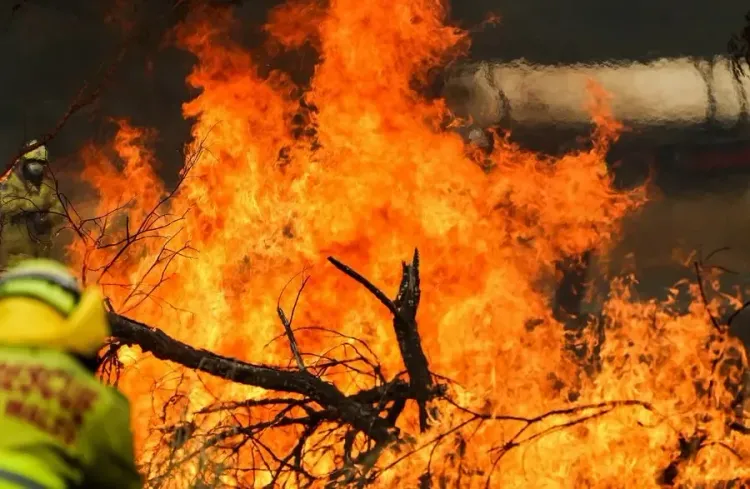
Melbourne, Dec 8 (NationPress) In the Australian island state of Tasmania, over 30 residences have suffered damage or complete destruction due to a bushfire, prompting authorities to inform evacuated residents that returning is currently unsafe.
On Sunday night, officials reported that 19 homes were completely lost, while another 14 homes sustained damage in the coastal town of Dolphin Sands, situated 105 kilometers northeast of Hobart, the capital city.
Jeremy Smith, Tasmania's Fire and Emergency Services Commissioner, announced at a press briefing that more than 120 structures, including garages and essential electricity infrastructure, had incurred damage.
According to the Tasmania Fire Service, the fire was contained by Monday morning, but residents who evacuated have been cautioned to refrain from returning due to hazardous forecasted winds reaching up to 100 kilometers per hour.
Incident Controller Michael Goldsmith stated that there are still risks from hazardous trees, damaged infrastructure, and debris that could lead to serious injuries.
An updated emergency warning released on Monday indicated that investigations into the fire's cause and hazard assessments are currently in progress.
Residents who remained in Dolphin Sands are urged to remain vigilant and prepared for potential escalations in the situation.
Tasmania Police reported that emergency services are checking in on the welfare of those who stayed behind, ensuring they have access to essential supplies.
The investigation into the fire's cause is ongoing, as reported by Xinhua news agency.
Disaster relief payments have been activated under joint Commonwealth-state arrangements for local government areas in Central Coast, Mid Coast, Upper Hunter, Muswellbrook, Warrumbungle, and Dubbo, providing emergency housing, essential support, and loans for farmers and businesses. Community donations have been overwhelming, with local centers inundated with offers of food, clothing, and temporary shelter.
As of Monday, over 50 bushfires were active across New South Wales.
Authorities have cautioned that the bushfire season this summer, spanning December to February, poses a high risk, with increased probabilities of extreme heat across significant regions of Australia after several years of relatively calm conditions.
Point of View
I recognize the dual challenges faced by affected communities and emergency services in Tasmania. The rising frequency of bushfires underscores the pressing need for preparedness. Our commitment is to deliver accurate information while fostering community solidarity during these critical times.
NationPress
30 Sept 2026
Frequently Asked Questions
What caused the bushfire in Tasmania?
The cause of the bushfire is currently under investigation by authorities.
How many homes were destroyed?
As of the latest reports, 19 homes have been completely destroyed by the bushfire.
What should evacuated residents do?
Evacuated residents are advised not to return yet due to ongoing hazards, including severe winds.
Are there any support systems in place for the affected?
Yes, disaster payments and community donations are being mobilized to support those affected by the bushfire.
Is the bushfire contained?
While the fire is contained, officials warn of potential threats from hazardous conditions.