Balochistan curfew: BYC flags humanitarian crisis in Khuzdar's Zehri region
Synopsis
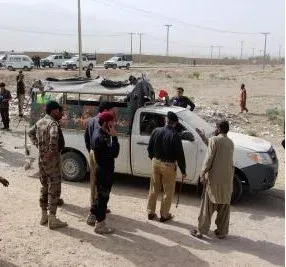
Pakistani forces have imposed a near-total clampdown in Zehri, Khuzdar — limiting markets to one hour a day, banning vehicles, shutting hospitals and schools, and allegedly confiscating oil from traders. The Baloch Yakjehti Committee is calling it a humanitarian crisis and demanding international intervention, in what critics describe as collective punishment of civilians.
Key Takeaways
The Baloch Yakjehti Committee (BYC) has condemned a curfew imposed by Pakistani forces in Zehri, Khuzdar district, Balochistan .
Markets are restricted to one hour daily ( 11:00 am – 12:00 pm ); motorbikes and cars are banned.
Forces are reportedly confiscating 30–40 litres of oil per vehicle from local traders reliant on small-scale oil transport.
Hospitals and schools have been shut, cutting off healthcare and education for residents.
The BYC has appealed to international human rights bodies and civil society groups to intervene immediately.
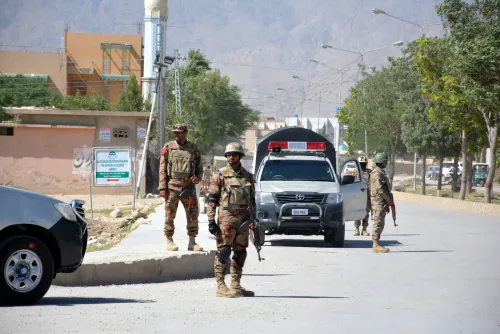
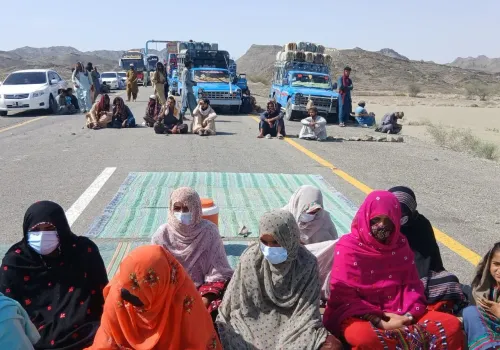
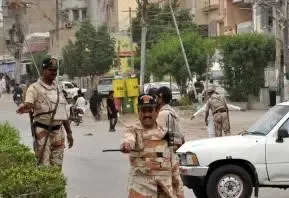
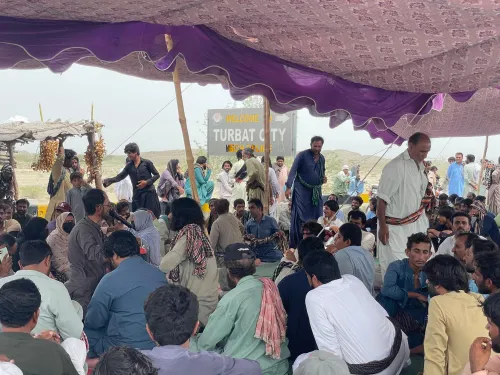
The Baloch Yakjehti Committee (BYC) has strongly condemned an ongoing curfew imposed by Pakistani forces in the Zehri area of Khuzdar district, Balochistan, calling it an 'excessive exercise of state power' that is devastating civilian life. The rights body warned of a deepening humanitarian crisis as residents face severe restrictions on movement, trade, healthcare, and education.
Curfew Conditions on the Ground
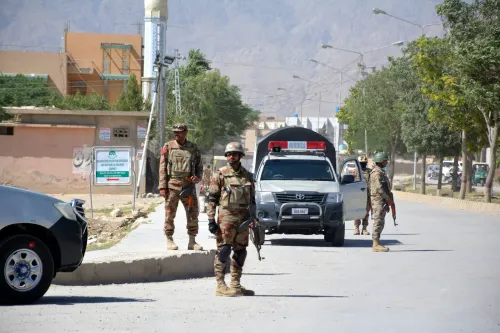
According to the BYC, a fresh phase of curfew has been imposed in Zehri, Khuzdar, confining market operations to a single hour — 11:00 am to 12:00 pm — while residents have been strictly warned against using motorbikes and cars. The group described the conditions as creating 'fear, intimidation, and collective pressure' among the local population, whose daily activities have been brought to a near standstill.
Economic Fallout for Local Traders
The BYC highlighted that many residents of the region depend on small-scale oil transportation and trade using pickup vehicles as their primary livelihood. Reports indicate that Pakistani forces are allegedly confiscating between 30 and 40 litres of oil from each vehicle, placing an additional financial burden on communities already grappling with an economic crisis. Critics argue that such measures amount to collective punishment of civilians.
Healthcare and Education Disrupted
'Hospitals, which provide essential medical care, have been closed due to restrictions, depriving people of access to treatment and emergency services. Similarly, schools have been shut down, disrupting the education of students and negatively affecting the daily lives and future prospects of children,' the BYC stated. The rights body noted that denial of these basic services has intensified hardships and triggered serious humanitarian concerns in the district.
International Appeal and Accountability Demands
The Baloch Yakjehti Committee has called on international human rights organisations, civil society groups, and humanitarian bodies to immediately address the situation in Zehri. The group argued that the ongoing restrictions and collective targeting of civilians require urgent attention, accountability from Pakistani authorities, and direct support for affected residents. This comes amid a broader pattern of reported civil liberties concerns in Balochistan, a region that has long been at the centre of tensions between local communities and Pakistani security forces.
Point of View
If verified independently, describes conditions that go beyond routine security operations — a one-hour market window, vehicle bans, hospital closures, and oil confiscations are measures that collectively strangle civilian life rather than target armed actors. Balochistan has seen repeated cycles of military operations and civil restrictions over decades, but the granular detail here — specific confiscation volumes, named districts, service shutdowns — adds texture that generic condemnations often lack. The absence of any Pakistani government response or independent on-ground verification is a significant gap; until that exists, the picture remains one-sided. What is harder to dismiss is the structural pattern: international human rights bodies have repeatedly flagged Balochistan as a zone of restricted access, making independent reporting difficult and accountability elusive.
NationPress
10 Oct 2026
Frequently Asked Questions
What is the curfew situation in Zehri, Khuzdar, Balochistan?
According to the Baloch Yakjehti Committee, Pakistani forces have imposed a curfew in Zehri, Khuzdar district, limiting market hours to 11:00 am–12:00 pm and banning the use of motorbikes and cars. Hospitals and schools have reportedly been shut, severely disrupting civilian life.
Who is the Baloch Yakjehti Committee (BYC)?
The Baloch Yakjehti Committee is a Balochistan-based human rights and civil society organisation that monitors and reports on the conditions of civilians in the region. It has condemned the ongoing curfew as an 'excessive exercise of state power.'
How are civilians being economically affected by the curfew?
Many residents depend on small-scale oil transportation for their livelihood. Reports from the BYC indicate that Pakistani forces are allegedly confiscating 30–40 litres of oil per vehicle, adding financial strain to communities already facing an economic crisis.
What humanitarian services have been disrupted in Zehri?
The BYC states that hospitals providing essential medical care have been closed, cutting off emergency services, while schools have been shut down, disrupting children's education and future prospects.
What has the BYC demanded in response to the curfew?
The BYC has called on international human rights organisations, civil society groups, and humanitarian bodies to immediately address the crisis in Zehri, demanding accountability from Pakistani authorities and direct support for affected civilians.