How is Cambodia Tackling Child Deaths from Road Crashes and Drowning?

Synopsis
In a bold move to protect children, Cambodia has initiated two national campaigns focused on preventing deaths from road accidents and drowning. With alarming statistics revealing the high risk faced by children, this initiative aims to create safer environments and raise awareness about these critical issues.
Key Takeaways
Road traffic injuries and drowning are major causes of child mortality in Cambodia.
In 2023, road crashes resulted in 1,590 deaths.
Approximately 1,300 children die from drowning annually.
The drowning rate in Cambodia is 7.6 per 100,000 individuals.
Cambodia’s campaigns aim to raise awareness and promote safety measures.
Phnom Penh, Oct 20 (NationPress) Cambodia, with the assistance of the United Nations Children's Fund (UNICEF) and other partners, has initiated two significant national campaigns aimed at reducing child fatalities due to road accidents and drowning.
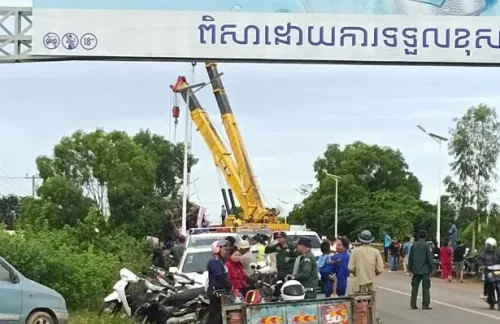
Road traffic incidents and drowning are among the primary contributors to child mortality in Cambodia, resulting in the loss of thousands of young lives each year, according to a press release from Xinhua News Agency.
In 2023, road accidents resulted in the deaths of 1,590 individuals—averaging five fatalities daily—and injured over 4,500, with children and adolescents suffering the most, the press release noted.
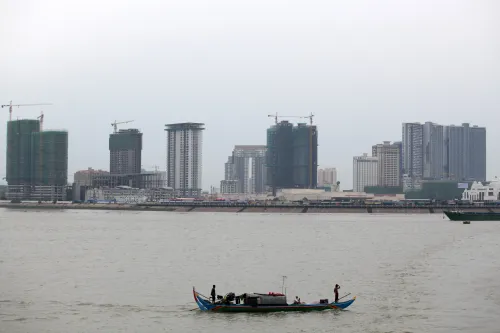
Simultaneously, Cambodia grapples with a serious public health issue regarding childhood drowning, which claims approximately 1,300 lives every year.
The drowning rate in the country is reported to be 7.6 per 100,000 people, nearly double the regional average and more than twice the global figure, as stated in the release.
Drowning is identified as the leading cause of death for children aged 5-14 in Cambodia.
Cambodian Deputy Prime Minister and Interior Minister Sar Sokha highlighted that climate change is exacerbating these dangers.
He stated, “Increasingly intense and frequent monsoon rains are resulting in severe flooding, elevating the risk of drowning among children, while extreme weather events heighten the likelihood of road traffic injuries.” This statement was made during the launch event.
Will Parks, UNICEF's representative in Cambodia, emphasized that every child deserves to grow up in a safe environment, yet daily incidents in Cambodia result in children being killed or injured in preventable ways.
“Whether it’s ensuring proper helmet use, reducing speed near educational institutions, teaching swimming skills, or enhancing awareness about water safety, the solutions are evident. Together, we can and must eliminate these preventable tragedies by fostering transformative change and prioritizing child injury prevention in our community actions, policies, and public consciousness,” he asserted.
Point of View
I emphasize that the initiatives launched by Cambodia to decrease child mortality rates from preventable causes are commendable. The collaboration with UNICEF showcases a commitment to ensuring a safe environment for children, which is paramount for national development.
NationPress
21 Sept 2026
Frequently Asked Questions
What are the main causes of child deaths in Cambodia?
The primary causes of child deaths in Cambodia are road traffic injuries and drowning, which collectively claim thousands of lives annually.
How many children die from drowning in Cambodia each year?
Approximately 1,300 children lose their lives to drowning in Cambodia every year.
What initiatives has Cambodia launched to combat child fatalities?
Cambodia has launched two national campaigns aimed at preventing child deaths from road crashes and drowning, with support from UNICEF and other partners.
Why is drowning a significant issue in Cambodia?
Drowning is a significant issue in Cambodia due to its high rate of mortality among children aged 5-14, which is nearly double the regional average.
What role does climate change play in child safety?
Climate change exacerbates risks for children, increasing the severity of flooding and contributing to higher incidences of road traffic injuries.