Air India Flight 182: Canadian PM Carney marks 41 years, vows vigilance
Synopsis
Forty-one years after a bomb tore Air India Flight 182 from the sky and killed 329 people — 268 of them Canadians — Prime Minister Mark Carney is turning remembrance into legislative action, promising new anti-terror laws and stronger security agency tools. With EAM Jaishankar also paying tribute from Mongolia, the anniversary carries fresh diplomatic weight between India and Canada.
Key Takeaways
Canadian PM Mark Carney paid tribute to 329 victims of the Air India Flight 182 bombing on its 41st anniversary , 23 June 2025 .
The attack, carried out on 23 June 1985 , remains the deadliest terrorist attack in Canada's history , killing 268 Canadians .
Carney announced new legislation to strengthen national security institutions and disrupt terrorist financing networks.
External Affairs Minister S.
Jaishankar , visiting Mongolia , posted on X reaffirming India's commitment to combating terrorism in all its forms.
The flight was destroyed mid-air over the Atlantic Ocean after a bomb exploded in its cargo hold en route from Montreal to Mumbai .
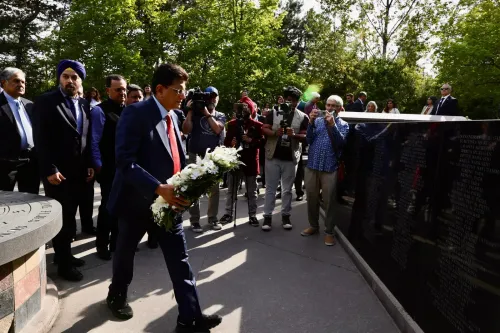
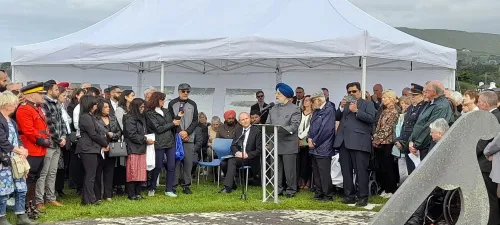
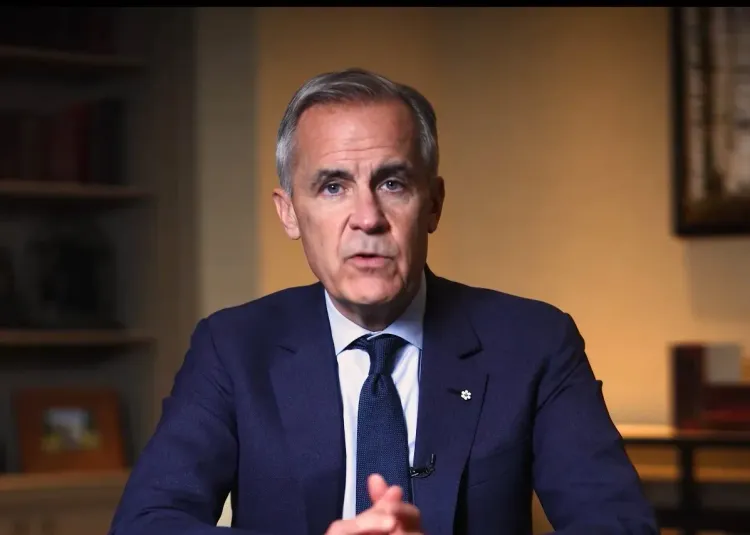
Canadian Prime Minister Mark Carney on Tuesday, 23 June paid solemn tribute to the 329 victims of the 1985 Air India Flight 182 bombing, declaring on Canada's National Day of Remembrance for Victims of Terrorism that the tragedy's legacy demands not only remembrance but sustained vigilance against violent extremism.
Carney's Statement
'Forty-one years ago today, the bombing of Air India Flight 182 claimed 329 innocent lives, including 268 Canadians. It remains the deadliest terrorist attack in Canada's history,' read the statement issued by Carney on Tuesday.
The Canadian Prime Minister extended solidarity to survivors and bereaved families, saying: 'We honour the victims of Flight 182 and all those who have lost their lives to acts of terrorism and violent extremism. We stand with the survivors, families, and communities who carry this loss.'
Pledge of New Anti-Terror Measures
Carney used the anniversary to outline a broader counter-terrorism agenda. 'The legacy of Air India Flight 182 demands remembrance, but also vigilance. Canada's government is confronting and condemning violent extremism in all its forms, with new legislation to defend the safety and security of Canadians, strengthen our national security institutions, and disrupt terrorist financing and support networks,' he said.
He added that the government is supporting frontline community-based intervention programmes and equipping security agencies with stronger tools to detect, prevent, and disrupt terrorist activity. 'The first job of the government is to protect Canadians, and that will always be our mission and our focus,' Carney emphasised.
India's Tribute and Jaishankar's Post
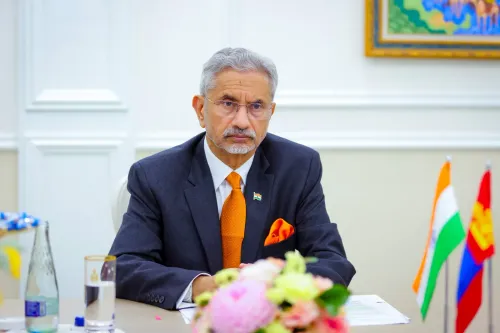
External Affairs Minister S. Jaishankar, currently on a two-day visit to Mongolia, also paid homage to the victims. Posting on X, he wrote: 'Today, on the 41st anniversary of Air India 182 'Kanishka' bombing, we honour the memory of those who lost their precious lives in this horrific terror incident. Reaffirm our commitment to combating terrorism in all its forms and manifestations.'
The joint remembrance by both Canada and India underscores the continued bilateral resonance of the attack, which targeted a flight carrying a predominantly Indo-Canadian passenger list.
Background: The 1985 Bombing
Air India Flight 182, operating the Montreal–London–Delhi–Mumbai route, was destroyed mid-air over the Atlantic Ocean on 23 June 1985 when a bomb detonated in its cargo hold. All 329 people on board perished, making it the single deadliest aviation terror attack before 11 September 2001. The attack was linked to Sikh extremist elements based in Canada, and the subsequent investigation and trial remain among the longest and most complex in Canadian legal history.
What Comes Next
Canada's proposed new national security legislation — referenced by Carney but not yet tabled in full — is expected to address gaps in terrorist financing oversight and inter-agency intelligence sharing. Advocacy groups representing the victims' families have long called for stronger accountability mechanisms and are likely to scrutinise the legislative details closely when they emerge.
Point of View
Meanwhile, is a quiet diplomatic signal at a moment when India-Canada relations are still recovering from the tensions of recent years. The shared grief of Flight 182 is one of the few threads both governments can pull without friction.
NationPress
22 Sept 2026
Frequently Asked Questions
What was the Air India Flight 182 bombing?
The Air India Flight 182 bombing was a terrorist attack on 23 June 1985 in which a bomb exploded in the cargo hold of the aircraft over the Atlantic Ocean, killing all 329 people on board, including 268 Canadians. It remains the deadliest terrorist attack in Canadian history and was one of the worst aviation terror incidents of the 20th century.
Why is 23 June significant in Canada?
23 June is observed as Canada's National Day of Remembrance for Victims of Terrorism, chosen to mark the anniversary of the 1985 Air India Flight 182 bombing. The day honours all victims of terrorism, with Flight 182 as its central reference point.
What new measures did Canadian PM Mark Carney announce?
Prime Minister Mark Carney pledged new legislation to strengthen national security institutions, disrupt terrorist financing and support networks, and provide security agencies with stronger tools to detect and prevent terrorist activity. He also referenced support for community-based counter-extremism intervention programmes.
What did India's External Affairs Minister say about the anniversary?
External Affairs Minister S. Jaishankar, on a visit to Mongolia, posted on X honouring the memory of those killed in the 'Kanishka' bombing and reaffirming India's commitment to combating terrorism in all its forms and manifestations.
How many people died in the Air India Flight 182 attack?
A total of 329 people were killed, including 268 Canadian citizens. The aircraft was travelling from Montreal to Mumbai via London and Delhi when the bomb detonated mid-air over the Atlantic Ocean on 23 June 1985.