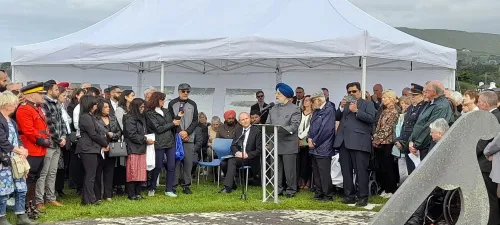
Piyush Goyal pays tribute at Kanishka Memorial in Toronto
Synopsis
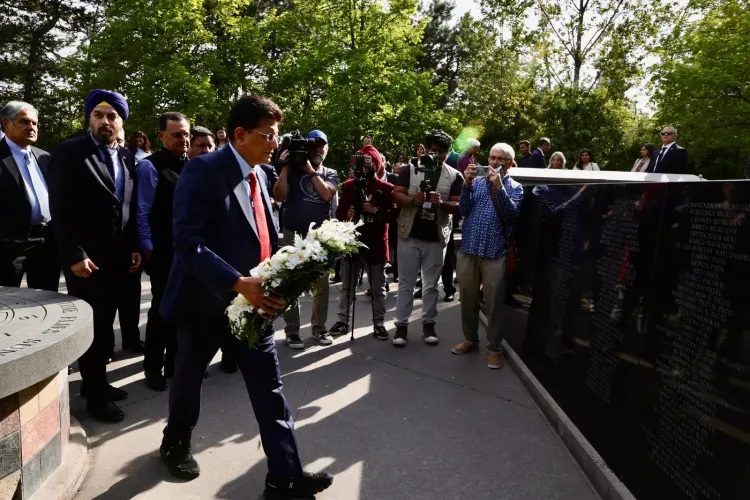
Union Commerce Minister Piyush Goyal visited the Kanishka Memorial at Humber Bay Park in Toronto on May 27, 2026, paying tribute to the 329 victims of the 1985 Air India Flight 182 bombing and meeting family members of victims, reaffirming India–Canada cooperation on counter-terrorism.
Key Takeaways
Union Commerce and Industry Minister Piyush Goyal visited the Kanishka Memorial at Humber Bay Park, Toronto on May 27, 2026 .
The memorial honours 329 victims of the Air India Flight 182 bombing on June 23, 1985 — the deadliest terrorist attack in Canadian history.
The bombing was carried out by Sikh extremist operatives; the only person convicted, Inderjit Singh Reyat , was found guilty of manslaughter in 2003 .
Minister Goyal met with family members of victims who shared stories of loss and resilience.
India and Canada have maintained counter-terrorism consultations since the 1990s , with both governments publicly committed to preventing a repeat of the tragedy.
The visit comes as the 40th anniversary of the bombing approaches in June 2025 , underscoring the continued diplomatic significance of the tragedy.
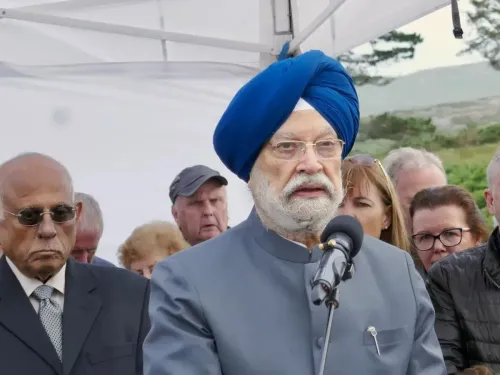
Union Commerce and Industry Minister Piyush Goyal paid tribute on Wednesday, May 27, 2026, at the Kanishka Memorial in Humber Bay Park, Toronto, honouring the 329 victims of the Air India Flight 182 bombing of June 23, 1985 — one of the deadliest acts of terrorism in aviation history. The Minister also met with family members of several victims, who shared personal accounts of loss and resilience, and reaffirmed that India and Canada are cooperating to ensure such a tragedy is never repeated.
Context
Air India Flight 182 was destroyed by a mid-air bomb explosion over the Atlantic Ocean on June 23, 1985, while en route from Montreal to London and onward to New Delhi. All 329 people on board — the majority of them Canadian citizens of Indian origin — were killed. The attack was carried out by Sikh extremist operatives and remains the deadliest terrorist attack in Canadian history and one of the worst acts of aviation terrorism globally.
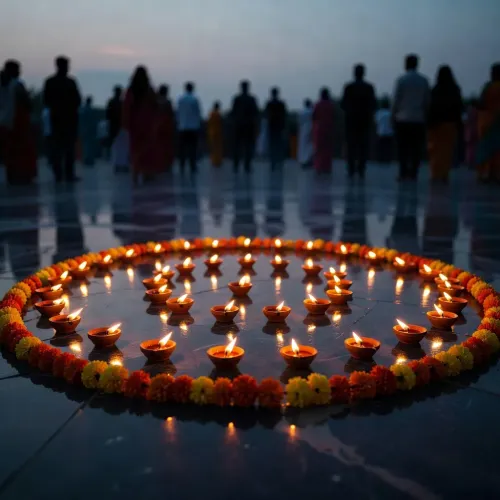
The Kanishka Memorial at Humber Bay Park in Toronto stands as a permanent site of remembrance for the victims, named after the aircraft — Emperor Kanishka — that was destroyed. Minister Goyal's visit places the tragedy within the active diplomatic and security relationship between the two nations.
Policy Backdrop
The 1985 bombing triggered decades of criminal investigation and public inquiry in Canada, culminating in the 2006–2010 Commission of Inquiry into the Investigation of the Bombing of Air India Flight 182, which examined intelligence failures and accountability gaps. The only person convicted in connection with the attack, Inderjit Singh Reyat, was found guilty in 2003 of manslaughter for constructing the bombs.
India and Canada have maintained bilateral counter-terrorism consultations since the 1990s, with a focus on aviation security and the monitoring of extremist networks. Successive Indian governments have consistently pressed for full accountability and have referenced the Kanishka bombing in the context of intelligence sharing and aviation safety standards.
Stakeholders and Impact
Victims' families — many of them members of the Indian diaspora settled in Canada — have long advocated for justice, greater official recognition, and stronger bilateral mechanisms to prevent future attacks. Minister Goyal's direct engagement with family members signals continued political-level sensitivity from New Delhi toward this community.
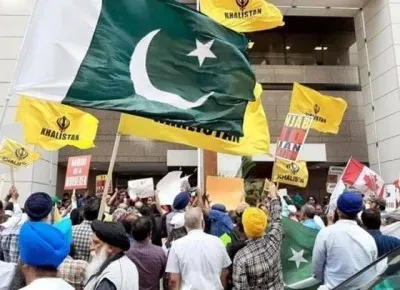
The visit comes against the backdrop of periodic diplomatic friction between India and Canada over issues related to Sikh separatism and the Khalistan movement. Moments of shared remembrance such as this carry weight beyond ceremony, reinforcing the counter-terrorism cooperation that both governments have publicly committed to maintaining.
What's Next
Minister Goyal's statement that the two countries are 'cooperating to ensure that such a tragedy never repeats' points toward continued institutional engagement on counter-terrorism and aviation security. Analysts will watch for any formal outcomes — such as joint working group meetings or parliamentary references — that may follow from bilateral contacts during his visit to Canada.
As the 40th anniversary of the Kanishka bombing approaches in June 2025, the tragedy continues to shape the counter-terrorism dimension of India–Canada relations, with high-level visits to the memorial reinforcing the shared resolve to keep the victims' memory central to security policy dialogue.
Point of View
New Delhi reinforces its long-standing narrative that the 1985 bombing is a shared wound demanding shared accountability. The public reaffirmation of bilateral counter-terrorism cooperation serves to frame security collaboration as a durable foundation beneath the diplomatic friction. This visit fits a broader pattern of Indian ministers using diaspora-facing engagements in Canada to simultaneously honour victims, shore up community ties, and press the counter-terrorism agenda.
NationPress
12 Oct 2026
Frequently Asked Questions
What is the Kanishka Memorial in Toronto?
The Kanishka Memorial at Humber Bay Park in Toronto is a permanent monument dedicated to the 329 victims of the Air India Flight 182 bombing on June 23, 1985. It is named after the aircraft, Emperor Kanishka, that was destroyed in the attack.
What happened in the Air India Flight 182 bombing?
Air India Flight 182 was blown up by a mid-air bomb on June 23, 1985, over the Atlantic Ocean, killing all 329 people on board — most of them Canadian citizens of Indian origin. It was carried out by Sikh extremist operatives and remains one of the deadliest acts of aviation terrorism in history.
Why did Piyush Goyal visit Canada in May 2026?
Union Commerce and Industry Minister Piyush Goyal visited Toronto, Canada, where he paid tribute at the Kanishka Memorial and met with family members of Air India Flight 182 victims, reaffirming India–Canada cooperation on counter-terrorism.
Has anyone been convicted for the Air India Flight 182 bombing?
Inderjit Singh Reyat is the only person convicted in connection with the 1985 Air India bombing; he was found guilty of manslaughter in 2003 for constructing the bombs used in the attack.
How are India and Canada cooperating on counter-terrorism after the Kanishka bombing?
India and Canada have conducted bilateral counter-terrorism consultations since the 1990s, focusing on aviation security and extremist networks. A Canadian Commission of Inquiry from 2006 to 2010 examined the investigation, and both governments continue to reference the Kanishka bombing when discussing intelligence sharing and aviation safety.