Nepal's Upcoming Elections: A Call for Change Resounds in Kathmandu
Synopsis
As Nepal gears up for its elections, Kathmandu is buzzing with anticipation for change. Citizens express hopes for a government that prioritizes inclusivity and progress, highlighting the importance of voting as a tool for change.
Key Takeaways
Change is the central theme in Kathmandu as elections approach.
Many citizens express a desire for an inclusive and democratic government.
Voter turnout is expected to increase compared to previous elections.
Relations with India are a significant concern for many voters.
Social media is playing a pivotal role in mobilizing the youth.
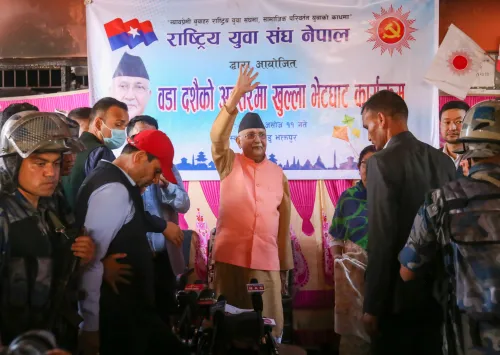
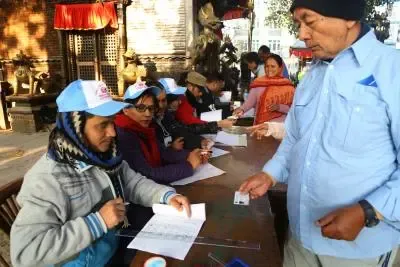
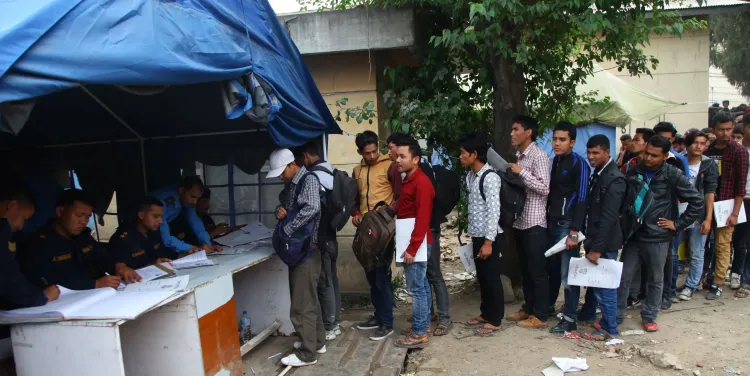
Kathmandu, March 4 (NationPress) As Nepal prepares for its elections on Thursday, there is a palpable sense of hope that the resulting mandate will favor a single party with a clear majority. Citizens are eager for a government that embraces inclusivity, democracy, and a focus on national development, expressing a strong desire for "change".
The call for change resonates throughout Kathmandu, from cozy homes to bustling streets, with residents sharing diverse perspectives on why this shift is necessary.
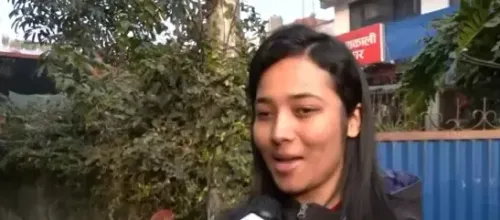
“In the past, many young people refrained from voting due to disillusionment with the lack of credible candidates; they believed nothing would ever improve. This sentiment was echoed among millennials and older generations, resulting in low voter turnout,” expressed Reecha Sharma, a prominent figure in Nepal’s film scene.
“This time, it’s crucial. Voting is our way to communicate to leaders whether we support or reject them,” she emphasized.
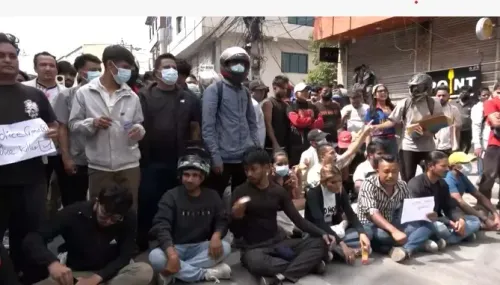
Although she couldn't join the protests during the Gen Z movement that led to the downfall of the K. P. Sharma Oli government last year, she utilized social media to rally support and disseminate information to her followers.
“Once the new government takes office and initiates its agenda, I believe it will take one or two years for us to genuinely experience any change,” she remarked.
This sentiment of change is echoed in the quieter streets and markets of Kathmandu, where fewer shoppers are out and traffic has diminished, despite this being a vibrant season for tourists.
“Most businesses and offices are closed today in anticipation of the elections tomorrow. Typically, this is the time when tourists, especially from India, flock to our city,” noted Kamal Thapa, a shopkeeper in the Thamel market.
“We have faced tough times: first the pandemic, then last year's unrest, and now the elections. Business has plummeted by at least 70 percent,” he shared, expressing hope that the new government will restore the strong ties between Nepal and India.
“The previous government leaned towards China, often at the expense of our relationship with India, which was detrimental to us,” stated Sanjay Tamang, a Lalitpur resident.
“India has initiated numerous projects that have bolstered our economy and created jobs. We had high hopes for the agreements made with China under the Oli administration, but they have been mired in controversy and lacked execution,” he added.
Under Oli’s leadership, the Communist Party of Nepal (Unified Marxist–Leninist) favored relations with China, signing multiple MoUs under the Belt and Road Initiative (BRI).
However, these projects faced domestic opposition due to concerns about borrowing from Beijing, especially following negative experiences reported in Sri Lanka and Pakistan regarding similar agreements.
Some projects funded by China were flagged due to their strategic locations near sensitive Indian border areas.
“We share a longstanding and trusted relationship with India; communication is seamless, and most of our vehicles are sourced from India. This familiarity makes dealings with them more comfortable,” shared cab driver Manoj Roshan.
According to India’s External Affairs Ministry, as of June 2024, Nepal ranked as India’s 17th-largest export destination, a significant rise from 28th in 2014.
Nepal’s key imports from India include petroleum products, iron and steel, cereals, vehicles and parts, as well as machinery components. The two nations have also fostered extensive cooperation in defense, security, education, and cultural exchange.
Ultimately, the concept of "change" remains the central theme echoing through Kathmandu as the nation approaches its pivotal election this year.
Point of View
The atmosphere in Kathmandu reflects a strong desire for change among citizens. With hopes for a government committed to inclusivity and progress, the sentiment is palpable across various demographics. The importance of voting as a means to influence leadership is emphasized, showcasing a collective yearning for national improvement.
NationPress
19 Sept 2026
Frequently Asked Questions
What are the main concerns of the voters in Nepal's elections?
Voters are primarily concerned about the need for effective leadership, inclusive governance, and the restoration of strong international relations, particularly with India.
How has the previous government influenced the current election sentiment?
The previous government faced criticism for its close ties with China and perceived neglect of relations with India, leading to a strong desire for change among the electorate.
What impact did the pandemic and unrest have on voter turnout?
The pandemic and recent unrest led to disillusionment among many potential voters, but there is renewed hope for higher turnout in the upcoming elections.
Why is change a significant theme in this election?
Change is significant as citizens seek a government that will prioritize economic development, inclusivity, and democratic values after years of political dissatisfaction.
What role does social media play in the current elections?
Social media has become a crucial platform for activism and information dissemination, motivating younger voters to engage in the electoral process.