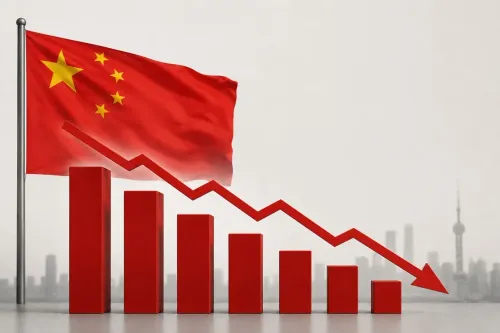
China manufacturing PMI falls to 49.2 in July, weakest since February
Synopsis
China's factory sector contracted in July for the first time since February, with the PMI falling to 49.2 as domestic demand hit a three-year low on new orders and typhoons disrupted production. With the composite PMI also below 50 and construction at a record low, Beijing's stimulus pledges are now under serious pressure to deliver.
Key Takeaways
China's manufacturing PMI fell to 49.2 in July from 50.3 in June , slipping into contraction for the first time since February .
The new orders sub-index dropped to 48.5 , its lowest in more than three years , reflecting weak domestic demand.
China's construction PMI hit a record low ; services expanded at the slowest pace since the initial Covid-19 lockdowns .
The composite PMI also fell below the 50-point threshold, signalling a broad economic slowdown.
Typhoons disrupted factory and construction activity across several regions in July , according to Chinese authorities.
Beijing's top policymakers pledged to accelerate fiscal spending and introduce additional support measures for the second half of the year.
China's official manufacturing Purchasing Managers' Index (PMI) slipped to 49.2 in July from 50.3 in June, marking the first contraction since February and the weakest factory reading in five months, according to data analysis. The unexpected downturn — falling below the 50-point threshold that separates expansion from contraction — piles fresh pressure on Beijing's policymakers to accelerate stimulus measures in the second half of the year.
What Drove the Contraction
The primary drag came from weak domestic demand, with the sub-index for new orders dropping to 48.5 — its lowest level in more than three years. Export orders also softened during the month, signalling that the earlier surge in front-loaded shipments — driven by exporters rushing goods ahead of higher US tariffs — has now run its course.
Chinese authorities partly attributed the weaker readings to typhoons that disrupted factory operations and construction projects across several regions in July. However, analysts note that weather alone does not fully explain the breadth of the slowdown.
Broader Economic Weakness
The contraction was not confined to manufacturing. China's construction PMI dropped to a record low, while the services sector expanded at its slowest pace since the initial Covid-19 lockdowns. The composite PMI — which combines manufacturing and non-manufacturing activity — also slipped below the 50-point threshold, reflecting a broad-based deceleration in business activity across the economy.
Notably, the July reading ended a four-month streak of expansion that had been largely sustained by exporters pulling forward shipments in anticipation of US trade measures. With that tailwind now fading, underlying demand conditions are under sharper scrutiny.
Beijing's Policy Response
The data arrived a day after China's top policymakers publicly acknowledged mounting economic headwinds and pledged to accelerate fiscal spending and introduce additional policy support measures for the remainder of the year. The timing of the PMI release is likely to intensify calls for bolder intervention, including potential cuts to lending rates and expanded infrastructure outlays.
This is the second time in 2025 that China's factory activity has contracted, underscoring the fragility of a recovery that has repeatedly disappointed market expectations since the post-pandemic reopening.
What to Watch Next
Investors and analysts will closely track Beijing's follow-through on its fiscal pledges, as well as any further deterioration in the new-orders sub-index, which is widely regarded as a leading indicator of near-term manufacturing momentum. A sustained reading below 49 would likely trigger more aggressive stimulus signalling from Chinese authorities.
Point of View
Not just weather-related — typhoons do not explain why domestic consumers are not buying. Beijing's stimulus pledges have a credibility deficit: similar commitments in early 2025 failed to prevent this slide. With the export front-loading tailwind exhausted and US tariffs still biting, China's recovery narrative is running out of one-off explanations. The composite PMI crossing below 50 makes this a whole-economy story, not a manufacturing blip.
NationPress
16 Sept 2026
Frequently Asked Questions
What does China's July manufacturing PMI of 49.2 mean?
A PMI reading below 50 indicates contraction in factory activity. China's official manufacturing PMI fell to 49.2 in July from 50.3 in June, marking the first contraction since February and the weakest reading in five months.
Why did China's factory activity contract in July?
The contraction was driven primarily by weak domestic demand, with the new orders sub-index falling to 48.5 — a three-year low. Export orders also softened after a period of front-loaded shipments ahead of higher US tariffs, and typhoons disrupted factory and construction operations in several regions.
How broad is China's economic slowdown?
It extends well beyond manufacturing. China's construction PMI fell to a record low in July, the services sector expanded at its slowest pace since the initial Covid-19 lockdowns, and the composite PMI — covering all sectors — also slipped below the 50-point threshold.
What is Beijing doing to address the slowdown?
China's top policymakers acknowledged the growing challenges a day before the PMI release and pledged to accelerate fiscal spending and roll out additional policy measures in the second half of 2025. Specific measures have not yet been detailed.
How does this compare to earlier in 2025?
The July reading ended a four-month expansion streak that had been supported by exporters accelerating shipments ahead of US tariffs. This is the second contraction in China's factory sector in 2025, highlighting the fragility of the country's post-pandemic economic recovery.