China's Misguided Strategy Towards Japan: A Growing Concern

Synopsis
China's evolving approach towards Japan is seen as a significant miscalculation that may have far-reaching implications. This article delves into the intricacies of this shift and the potential consequences for regional dynamics.
Key Takeaways
China's strategy towards Japan is fundamentally flawed.
Perception of Japan as an enemy limits China's options.
Increased maritime confrontations mark a shift in relations.
China's hardline policies are counterproductive.
A call for a more restrained and predictable approach is essential.
Tokyo, Feb 24 (NationPress) The approach that China has taken towards Japan is characterized not just as a tactical error but rather as a “strategic blunder” stemming from a fundamental misunderstanding of the dynamics of influence in Asia.
By perceiving Japan primarily as an adversary rather than a competitive partner in a shared regional context, Beijing is constraining its own strategic alternatives, as highlighted in a report released on Tuesday.
“In recent months, since the fall of 2025, China's stance towards Japan has shifted significantly. Initially marked by managed rivalry, it has now evolved into a consistent strategy of exerting pressure. This has resulted in Beijing entrenching itself in a self-defeating approach,” the report from ‘Japan Forward’ elaborated.
“Instead of reshaping regional conduct to align with its interests, Beijing's aggressive tactics have inadvertently intensified security collaborations and exacerbated negative perceptions of China across East and Southeast Asia. The repercussions of this policy are evident, and its long-term effects are unlikely to benefit Beijing,” the report continued.
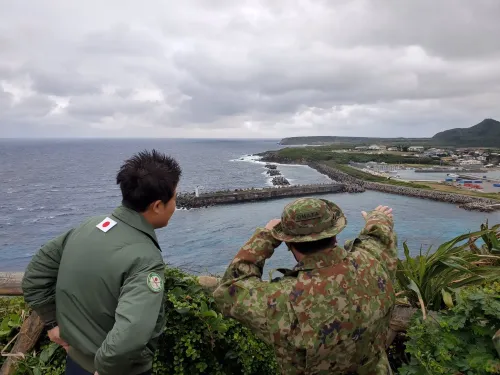
Over the past year, it has been made abundantly clear that Beijing no longer prefers a restrained method in its dealings with Tokyo, as evidenced by the daily presence of Chinese coast guard ships in the contentious waters surrounding the Senkaku Islands.
Furthermore, the report noted that there have been consistent violations of Japan's territorial waters, documented monthly.
In 2025, Japan reported an unprecedented duration of Chinese maritime activity near the islands, exceeding 356 days—an operational persistence not previously seen in their bilateral ties.
“On the political front, Beijing has also toughened its public communications. It has dismissed crisis-management frameworks in times of heightened tensions, interpreting Japan’s defense initiatives as signs of militarism rather than as defensive measures,” the report stated.
“Economic pressures have also been applied selectively, with tactics ranging from export controls to informal pressure on Japanese businesses operating in China. Collectively, these actions indicate a calculated strategy of normalized coercion instead of occasional deterrence,” it further explained.
The report concluded that China’s recent coercive actions have undoubtedly strained bilateral relations, based on a “strategic misreading” of Japan's role both locally and within the broader Asia context.
Beijing tends to frame Tokyo as an extension of a U.S. containment strategy instead of recognizing it as an autonomous regional player with its own strategic objectives.
“If China persists on its current path, it will encounter a region increasingly unified against its behavior rather than its power. A recalibrated strategy would not necessitate concessions or a retreat but would require restraint, predictability, and a revival of competitive coexistence,” the report emphasized.
Point of View
The ongoing tensions between China and Japan highlight the complexities of regional dynamics. This situation requires careful observation as miscalculations could lead to significant geopolitical shifts, impacting not only these nations but the broader Asian landscape.
NationPress
5 Oct 2026
Frequently Asked Questions
What is the main issue with China's policy towards Japan?
China's approach is criticized as a 'strategic blunder,' stemming from a misunderstanding of regional influence dynamics and viewing Japan as a foe rather than a partner.
How has China's stance changed recently?
China's policy has shifted from managed rivalry to sustained pressure, leading to increased maritime confrontations and negative regional perceptions.
What are the implications of China's coercive strategies?
These strategies strain bilateral relations and could provoke stronger security alignments against China in East and Southeast Asia.
What does the report suggest China should do?
The report advises that China recalibrate its approach, emphasizing restraint and predictability, to foster healthier regional relations.
How long has China maintained a presence near the Senkaku Islands?
In 2025, Japan reported over 356 days of Chinese maritime activity near the Senkaku Islands, marking an unprecedented level of operational persistence.