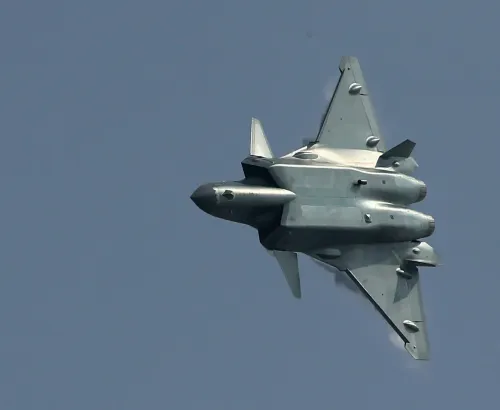
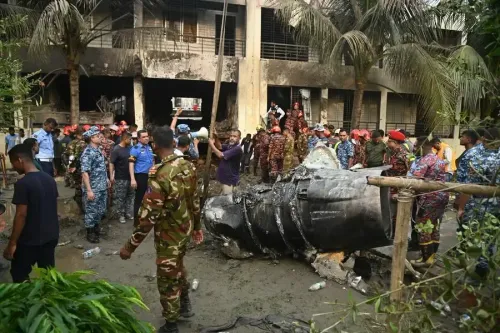
How Are Chinese Arms Losing Credibility Due to Quality Issues?
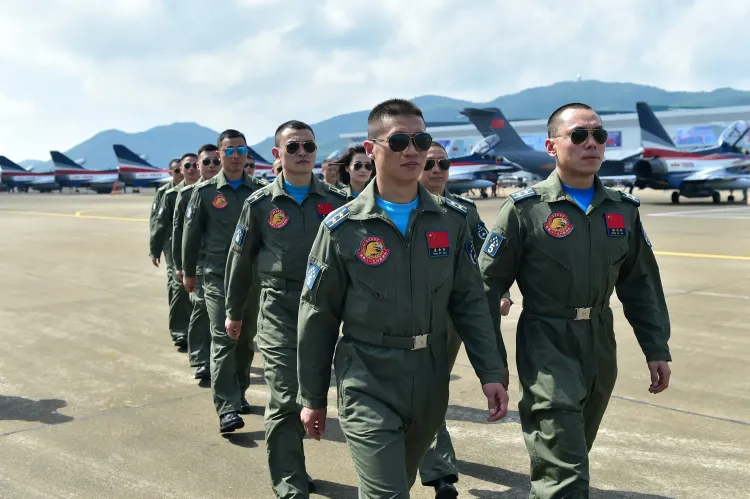
Synopsis
A recent report reveals the declining reputation of Chinese military equipment, highlighting frequent malfunctions, logistical deficiencies, and operational failures. Issues with the F-22P frigates, JF-17s, and the SkyShield laser system have raised serious concerns about the reliability of Chinese arms in global markets. Discover the implications for China's defense exports.
Key Takeaways
Chinese military hardware faces significant quality challenges .
Frequent malfunctions impact operational readiness .
Concerns raised by international customers .
Reliability issues could hinder PLA modernization .
Global confidence in Chinese arms is declining .
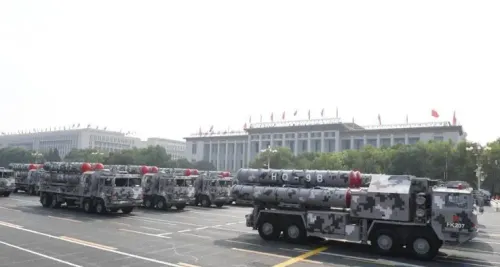
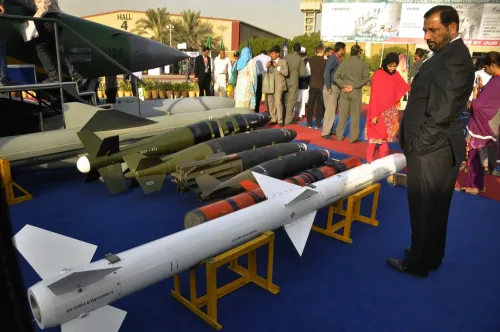
Dhaka, Nov 1 (NationPress) The standing of Chinese military hardware and equipment has taken a significant hit due to various high-profile export failures. Issues such as the recurrent malfunctions with Pakistan's F-22P frigates, groundings and technical challenges faced by JF-17 users, alongside recently reported operational struggles with the Chinese SkyShield laser system in desert conditions, have been identified as the primary factors hindering China's defence exports from making substantial inroads into major global markets, as highlighted in a report on Saturday.
Despite being one of the leading military powers, ranking as the fourth largest arms exporter after the US, Russia, and France, concerns are surfacing regarding the credibility, quality, and sustainability of its defence products, according to a report from Dhaka-based Lens Asia.
The report indicates that the root causes of these issues are multifaceted: chronic corruption within the military, as evidenced by President Xi's ongoing purges of the PLA, an uneven industrial base characterized by gaps in precision components and advanced materials, along with maintenance and logistics deficiencies, procurement irregularities, and a rush to showcase capabilities for political and propaganda purposes are all contributing to the declining quality of Chinese defence equipment. Analysts caution that these factors may hinder or complicate the modernization of the PLA.
It references reports from regional defence media that document recurring sensor and radar failures and engine issues with early Chinese-built F-22P frigates supplied to Pakistan. The problems ranged from decreased radar efficiency under high-power transmission to engine overheating and lubrication issues that impacted operational readiness. These concerns have been vocally acknowledged by Pakistani naval sources and defence analysts.
The Chinese company has acknowledged that faulty Gimbal Assembly motors were responsible for these issues, and these components have yet to be repaired or replaced, putting the ship's berthing operations at risk. Consequently, the Pakistani Navy has been forced to operate the four frigates with compromised capabilities due to defective critical components and inadequate service from Chinese manufacturers, jeopardizing key mission objectives for which these costly vessels were acquired.
Furthermore, reports from Myanmar, Nigeria, and other JF-17 clients have similarly documented groundings and issues related to structural malfunctions and mission-computer failures following export deliveries, prompting several nations to ground their fleets after deeming the Chinese equipment unfit for service. The report notes that Nigeria's decision to purchase the Italian M 346-FA fighter jets was influenced by the J-17's poor accuracy and limited weapon-carrying capacity.
Recent reports from defence blogs and mainstream media have also addressed Saudi Arabia's operational experiences with China's SkyShield laser counter-drone system, underscoring significant performance declines in harsh desert conditions and raising doubts about the system's reliability and maturity. These reports are based on operational field data rather than manufacturer claims, lending them greater credibility.
The SkyShield system was procured to align with Saudi Arabia's specific geopolitical needs and was expected to provide a cost-effective solution by integrating electronic warfare capabilities with directed-energy weapons. However, its underperformance in real-world conditions has cast a shadow over the credibility of controlled testing and the product's quality.
The report indicates that numerous export customers and analysts have voiced complaints regarding frequent malfunctions, poor availability of spare parts, and weak after-sales support, collectively undermining confidence in Chinese arms sales and stalling some export opportunities.
These complaints gain further momentum when PLA media emphasizes the necessity of treating equipment quality as a matter of life or death for soldiers and strengthening the whole-life management of weapons, implicitly recognizing previous testing deficiencies.
Point of View
We remain committed to delivering accurate and unbiased reporting on this critical issue. The concerns raised about the quality of Chinese military equipment reflect a broader narrative of accountability and transparency in defense exports. It is crucial for nations to prioritize reliability and effectiveness in their military procurements, ensuring that their forces are equipped with dependable technology.
NationPress
3 Oct 2026
Frequently Asked Questions
What are the main issues with Chinese military exports?
Chinese military exports face numerous challenges, primarily stemming from quality concerns. Notable issues include frequent malfunctions, logistical shortcomings, and operational failures, particularly with equipment like the F-22P frigates and JF-17s.
How do these problems impact global arms markets?
The declining quality of Chinese military hardware has led to diminished confidence among potential buyers, resulting in slowed export opportunities and challenges in entering significant global markets.
What are the implications for China's defense industry?
These issues could hinder China's ability to modernize its People's Liberation Army and may result in increased scrutiny and pressure to address quality and reliability in its military products.
Why is the SkyShield laser system facing criticism?
The SkyShield laser system has been criticized for its performance degradation in harsh desert conditions, raising concerns about its reliability and effectiveness as a counter-drone solution.
How are other nations responding to these issues?
Countries like Pakistan and Nigeria have reported significant operational problems with Chinese military equipment, leading to some nations grounding fleets and seeking alternatives from other suppliers.