Democrats win US House and Senate: Can Congress curb Trump's Pakistan military tilt?
Synopsis
Democrats have flipped both chambers of the US Congress in the 2026 midterms — and according to a Foreign Policy in Focus analysis, the new majority has the tools, the committee chairs, and the political will to roll back the Trump administration's backing of Pakistan's military. The report warns that this embrace isn't just soft on authoritarianism — it is actively strengthening the institution most responsible for deepening Beijing's grip on Islamabad.
Key Takeaways
Democrats won control of both the US House and Senate in the November 2026 midterm elections, flipping Senate seats in North Carolina, Texas, Ohio, Kansas and South Carolina .
A Foreign Policy in Focus report argues the new Democratic majority can reverse the Trump administration 's embrace of Pakistan's military through hearings, appropriations conditions, and investigations.
More than 100 Democrats in Congress had already signed letters calling out Pakistan's human rights violations before the midterms, according to the report.
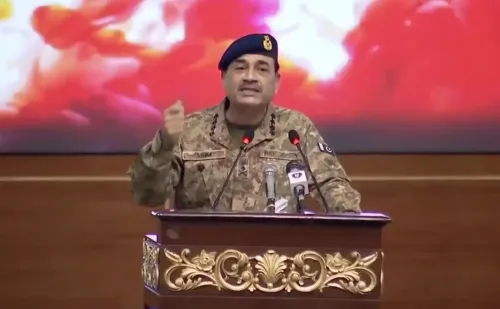
Pakistan Army Chief General Asim Munir has been praised in Washington as a statesman since Pakistan began mediating between Iran and the US .
The report warns that strengthening ties with Pakistan's military reinforces the institution most responsible for deepening China 's influence in the region.
Pakistan's population of 250 million , two-thirds under 30 years old , is described as increasingly restless under military authoritarianism — a long-term risk to US standing.
Democrats' capture of both the US House of Representatives and the Senate in the November 2026 midterm elections has opened a legislative pathway to reverse the Trump administration's deepening embrace of Pakistan's military, according to an analysis published in Foreign Policy in Focus. The report argues that while Washington cannot determine Pakistan's political future, it can stop channelling American taxpayer dollars, military cooperation, and diplomatic cover toward what it describes as an increasingly unaccountable military establishment in Islamabad.
Democrats' Midterm Gains and What They Mean for Pakistan Policy
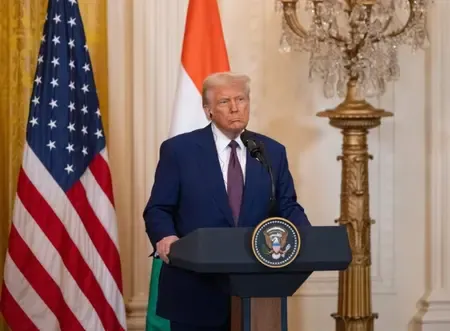
Democrats secured control of both chambers in elections held midway through President Donald Trump's second four-year term. Senate pickups included victories in North Carolina, Texas, Ohio, Kansas, and South Carolina, reversing Republican control of the chamber. The wins hand incoming Democratic committee chairs significant legislative tools — including the ability to hold hearings, attach conditions to appropriations and defence bills, and scrutinise the Trump family's reported crypto dealings with foreign governments, including Pakistan.
Mehlaqa Samdani, Executive Director at Community Alliance for Peace and Justice, writing in Foreign Policy in Focus, noted that over the past two years, more than 100 Democrats in Congress had signed letters calling out the Pakistani government's human rights violations. 'Democratic control of the House and Senate gives Congress an opportunity to reverse the Trump administration's embrace of Pakistan's military,' Samdani wrote, adding that lawmakers, as incoming chairs of powerful committees, 'can hold hearings, attach conditions to appropriations and defence bills, and investigate the Trump family's crypto deals with foreign governments, including Pakistan's.'
The Trump Administration's Bet on Pakistan's Army
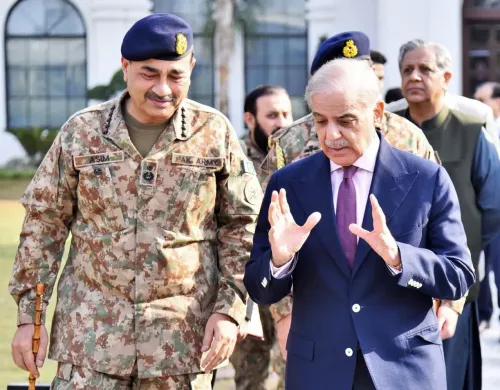
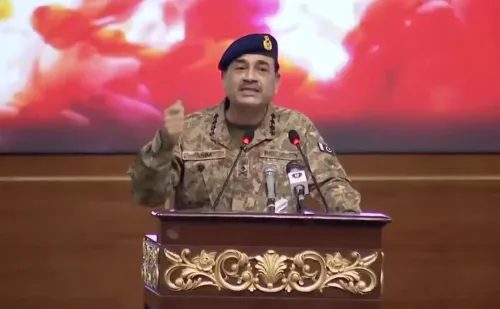
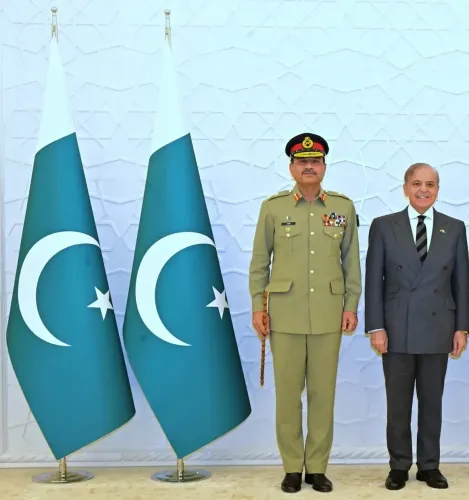
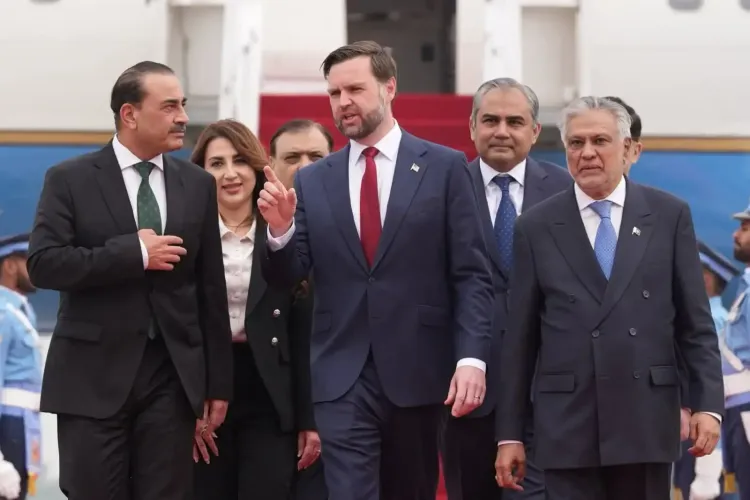
Pakistan Army Chief General Asim Munir has reportedly been praised in Washington as a statesman and a reliable security partner, particularly since Pakistan began mediating between Iran and the US. The Trump administration has described counter-terrorism, critical minerals, and managing regional competition as core US interests in the relationship. However, the Foreign Policy in Focus analysis contends that each of those interests is threatened by the very institution the US has chosen to rely upon to protect them.
Notably, this is not a new dynamic. Successive American administrations have, according to the report, backed Pakistan's military rulers to advance geopolitical agendas, overlooking authoritarianism in exchange for cooperation and an appearance of stability — a bet that the report argues has repeatedly failed.
The China Complication
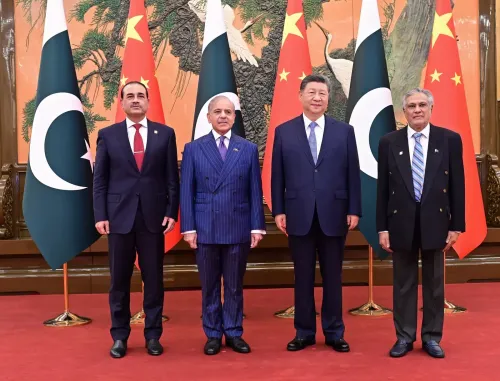
The analysis highlights a strategic contradiction at the heart of the US approach. Pakistan's military is not merely a security partner — it is, according to the report, the principal architect of Pakistan's China policy, managing economic projects, defence acquisitions, and the broader ties between Beijing and Islamabad. By strengthening ties with the Pakistani military, the report argues, the US is not preserving influence in the region but reinforcing the very institution responsible for deepening China's footprint there.
The Risk to Long-Term US Interests
Beyond the China angle, the report flags a generational risk. Pakistan has a population of 250 million people, two-thirds of whom are under 30 years of age and are described as increasingly restless under growing military authoritarianism. By aligning with the army rather than the population, Washington risks undermining its long-term standing with a young, large, and strategically located nation. The report frames this as a direct threat to US security interests, not merely a humanitarian concern.
This comes amid a broader regional disruption: a US-Israeli military engagement with Iran that began in February has unsettled regional shipping and energy markets, while elevated fuel prices and household costs emerged as defining issues in the midterm campaign across the United States. How the new Democratic-led Congress navigates both the Pakistan question and the Iran fallout will be closely watched in the months ahead.
Point of View
Making US support structurally self-defeating on its most important strategic rivalry. Democrats now have the procedural leverage to act, but leverage and political will are different things — and Pakistan policy has historically been the province of the executive, not Congress. The more telling test will be whether the new committee chairs use appropriations conditions with real teeth, or settle for symbolic hearings. With two-thirds of Pakistan's 250 million people under 30 and deeply alienated from the military, the long-term cost of getting this wrong is generational.
NationPress
15 Nov 2026
Frequently Asked Questions
What did Democrats winning the US House and Senate mean for Pakistan policy?
According to a Foreign Policy in Focus report, the Democratic majority gives Congress the tools to reverse the Trump administration's support for Pakistan's military — through committee hearings, conditions on defence and appropriations bills, and investigations. More than 100 Democrats had already raised concerns about Pakistan's human rights record before the midterms.
Why has the Trump administration backed Pakistan's military?
The Trump administration identified counter-terrorism, critical minerals, and managing regional competition as core US interests tied to the Pakistan relationship. It has praised Army Chief General Asim Munir as a reliable security partner, particularly after Pakistan began mediating between Iran and the US.
How does the Pakistan-China relationship factor into this debate?
The Foreign Policy in Focus report argues that Pakistan's military is not just a security partner but the principal architect of Pakistan's China policy, overseeing economic projects, defence acquisitions, and broader Beijing-Islamabad ties. By backing the military, the US may inadvertently be strengthening China's regional influence.
What seats did Democrats win in the 2026 midterm Senate elections?
Democrats flipped Senate seats in North Carolina, Texas, Ohio, Kansas, and South Carolina, reversing Republican control of the chamber. The elections were held midway through President Trump's second four-year term.
What is the long-term risk of US support for Pakistan's military?
The report warns that with 250 million people — two-thirds under 30 — growing increasingly restless under military authoritarianism, US alignment with the army risks alienating a young, large population over the long term. The analysis frames this as a direct threat to American security interests, not merely a human rights concern.