Pakistan as China's defence gateway to Middle East: Report
Synopsis
A US think tank report reveals China is using Pakistan as a proxy to penetrate Middle Eastern and African defence markets — shielding Beijing from direct scrutiny while expanding its military footprint. The $4 billion Libya deal involving JF-17 jets is the sharpest example yet, and with Gulf states reassessing security ties post the US-Iran MoU, the pipeline of Chinese weapons flowing through Islamabad could widen significantly.
Key Takeaways
Pakistan struck a defence deal with the Libyan National Army involving 16 JF-17 fighter jets and a military package worth over $4 billion .
More than 80% of Pakistan's arms imports between 2021 and 2024 came from China , according to SIPRI data cited in the report.
The Middle East Forum report identifies Pakistan as a strategic conduit through which China expands its defence presence while avoiding direct international criticism.
Potential JF-17 deals are reportedly under discussion with Iraq , Bangladesh , Indonesia , Saudi Arabia , Morocco , Nigeria , Sudan , and Ethiopia .
A proposed deal to supply JF-17s to Saudi Arabia linked to a $2 billion Riyadh-Islamabad financial arrangement has not yet materialised, the report noted.
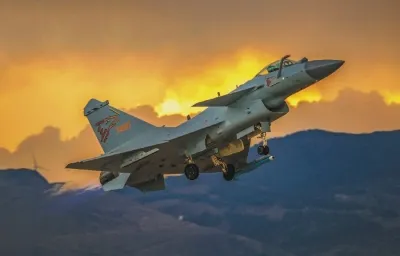
China has been systematically using Pakistan as a strategic conduit to expand its defence footprint across the Middle East and wider region, according to a report by the US-based think tank Middle East Forum. The most recent illustration of this dynamic is a defence deal between Pakistan and the Libyan National Army, involving 16 JF-17 fighter jets, training aircraft, and a broader military package valued at more than $4 billion.
The Libya Deal and Its Fallout
The Pakistan-Libya agreement has drawn sharp international condemnation. Critics argue it risks weakening the United Nations arms embargo on Libya, potentially escalating the country's internal conflict by altering the military balance on the ground. Concerns have also been raised about the legitimacy of the recipient force — the Libyan National Army — and the broader geopolitical ramifications of the deal. Notably, the arrangement illustrates how Beijing can deepen its global defence presence while insulating itself from direct diplomatic criticism by routing transactions through Islamabad.
China's Growing Grip on Pakistan's Defence Sector
According to data cited by the Middle East Forum from the Stockholm International Peace Research Institute (SIPRI), more than 80 per cent of Pakistan's arms imports between 2021 and 2024 originated from China. This underscores the depth of defence, security, and intelligence integration between the two countries over recent years.
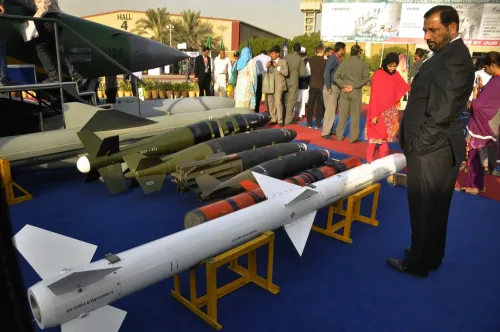
The report noted that while Pakistan continues to operate American military platforms — including F-16 fighter jets — and occasionally receives US military assistance, the bulk of its military inventory is now of Chinese origin. Pakistan is actively marketing the JF-17 fighter aircraft, co-produced with China, alongside other Chinese-origin systems such as drones and the HQ-9 air defence system.
A Growing Regional Sales Push
Recent reports point to an expanding list of countries with which Pakistan has held defence discussions or proposed deals, including Iraq, Bangladesh, Indonesia, Saudi Arabia, Libya, Morocco, Nigeria, Sudan, and Ethiopia. Chinese media have suggested that Pakistan could be finalising multiple JF-17 agreements with several of these nations, with the aircraft being promoted through defence exhibitions, military diplomacy, and security cooperation initiatives.
One proposed arrangement, according to the report, could involve Pakistan supplying JF-17s to Saudi Arabia in exchange for financial arrangements linked to the $2 billion extended by Riyadh to Islamabad. The report noted, however, that 'no such deal has materialised yet, largely because of concerns regarding the quality of Chinese weapons, interoperability with existing US-origin systems, and broader financial considerations.'
Shifting Middle East Dynamics Open New Doors
The report highlighted that changing regional dynamics — particularly following the US-Iran Memorandum of Understanding — could accelerate this trend. As Gulf Arab countries reassess their security priorities, Pakistan is positioned to promote Chinese-origin weapons systems to receptive buyers. The report cited Pakistan's dispatch of defence equipment, troops, and assets — including JF-17 jets — to Saudi Arabia following a ceasefire, as part of its defence pact commitments.
'This shows how Chinese-origin military systems can gain greater visibility in the region through Pakistan,' the report stated. As the geopolitical landscape evolves, the extent to which this proxy defence-export model deepens will be closely watched by both Washington and regional capitals.
Point of View
Chinese weapons normalised through Pakistani partnerships become harder to displace.
NationPress
3 Oct 2026
Frequently Asked Questions
What is the Pakistan-Libya defence deal mentioned in the report?
The deal involves Pakistan supplying 16 JF-17 fighter jets, training aircraft, and a broader military package to the Libyan National Army, valued at more than $4 billion. It has drawn condemnation for potentially undermining the UN arms embargo on Libya and risking escalation of the country's internal conflict.
How is China using Pakistan as a defence gateway?
According to the Middle East Forum report, China co-produces the JF-17 fighter jet with Pakistan and leverages Islamabad's bilateral relationships to market Chinese-origin weapons systems — including drones and the HQ-9 air defence system — to countries in the Middle East, Africa, and Asia. This allows Beijing to expand its defence footprint while avoiding direct diplomatic exposure.
What share of Pakistan's arms imports come from China?
More than 80 per cent of Pakistan's arms imports between 2021 and 2024 originated from China, according to SIPRI data cited in the Middle East Forum report. This reflects a significant deepening of defence and security integration between the two countries.
Is there a JF-17 deal between Pakistan and Saudi Arabia?
A proposed arrangement reportedly involves Pakistan supplying JF-17 jets to Saudi Arabia linked to the $2 billion extended by Riyadh to Islamabad, but no deal has materialised yet. The report attributes the delay to concerns over Chinese weapons quality, interoperability with US-origin systems, and financial considerations.
Why does the changing Middle East landscape matter for China's defence ambitions?
Following the US-Iran Memorandum of Understanding, Gulf Arab states are reassessing their security priorities, potentially creating openings for Chinese-origin weapons promoted through Pakistan. The report notes that Pakistan has already dispatched JF-17 jets and other assets to Saudi Arabia under defence pact commitments, demonstrating how Chinese military systems can gain regional visibility through this channel.