US-Iran war pushes Pakistan toward direct conflict in Gulf
Synopsis
Pakistan's defence pact with Saudi Arabia — backed by 8,000 deployed troops and a squadron of JF-17s — has transformed from a theoretical deterrent into a live tripwire. As Iranian strikes edge closer to installations where Pakistani forces are stationed, Islamabad's long-prized neutrality is collapsing in real time, with consequences that reach far beyond the Gulf.
Key Takeaways
Pakistan has reportedly deployed over 8,000 troops , a JF-17 squadron , and Chinese-made air defence systems to Saudi Arabia under a mutual defence pact.
The Pakistan-Saudi Arabia Strategic Mutual Defense Agreement treats aggression against either nation as aggression against both — similar to NATO 's Article 5.
Iranian retaliatory strikes have reportedly encroached on Prince Sultan Air Base in Saudi Arabia, where Pakistani personnel are stationed.
If Pakistan retaliates against Iran, it risks militarising its 900-km western border , inflaming sectarian tensions, and empowering Baloch insurgents .
If Pakistan does not respond, it risks losing credibility with Gulf partners and the financial lifeline Riyadh provides to its economy.
Islamabad is pursuing emergency shuttle diplomacy with Tehran to push for a ceasefire before the choice is forced upon it.
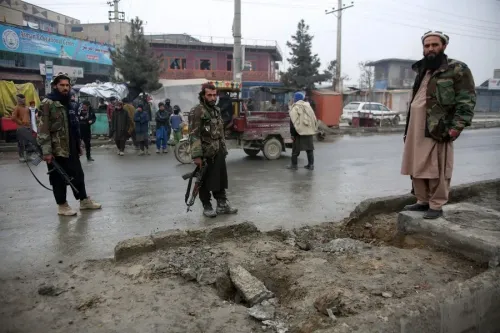
As United States military strikes against Iran continue and Tehran escalates retaliatory operations across the Persian Gulf, Pakistan finds itself edging dangerously close to becoming a direct party in the conflict — a scenario that could shatter its carefully maintained neutrality and destabilise an already fragile state.
The Treaty That Could Drag Pakistan In
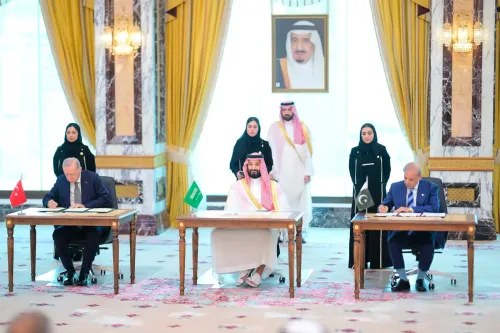
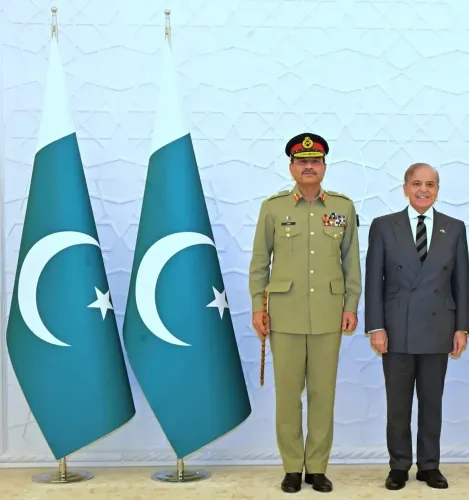
At the centre of Islamabad's dilemma is its Strategic Mutual Defense Agreement with Saudi Arabia, a pact modelled on NATO's collective-defence framework. Under its terms, any aggression against either signatory is treated as aggression against both. To honour that commitment, Pakistan has reportedly deployed over 8,000 troops, a full squadron of JF-17 fighter jets, and Chinese-made air defence systems to the Kingdom.
Senior Pakistani defence officials have previously signalled that the arrangement extends to providing a nuclear umbrella for Saudi Arabia — a claim that, if acted upon, would mark an unprecedented escalation. With Iranian ballistic missiles and drones increasingly targeting Saudi territory, the risk of Pakistani personnel being struck is no longer theoretical.
Iran's Retaliatory Arc Reaches Saudi Soil
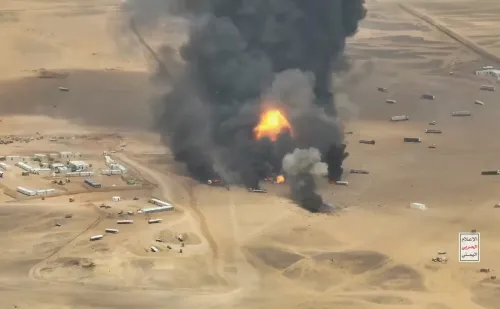
Following American and allied strikes on Iranian coastal defences, alleged missile sites, and broader military infrastructure, Tehran and its proxy networks have struck back at US forward-deployed assets and commercial shipping lanes across the Gulf. Notably, these retaliatory strikes have encroached on Saudi territory, including reportedly targeting Prince Sultan Air Base — where Pakistani forces are stationed.
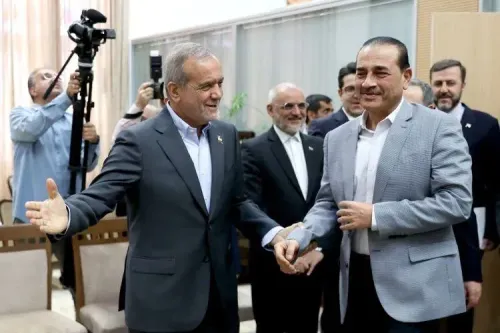
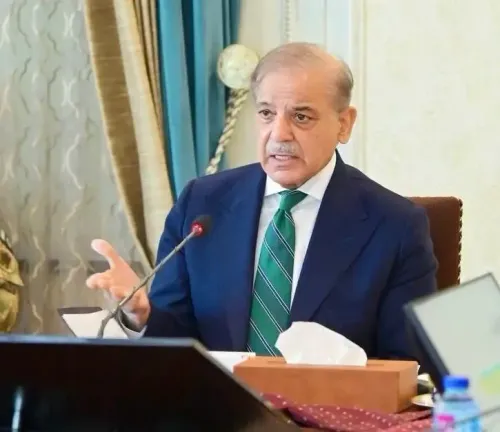
Each such strike narrows the diplomatic space available to Islamabad. Pakistani delegations have engaged in intensive shuttle diplomacy with Tehran, seeking assurances that Saudi soil will not be used as a launchpad against Iran. But as Iranian-backed factions continue striking Gulf targets in response to US blockades and bombardments, those diplomatic assurances are, according to reports, becoming increasingly difficult to sustain.
The Existential Bind for Islamabad
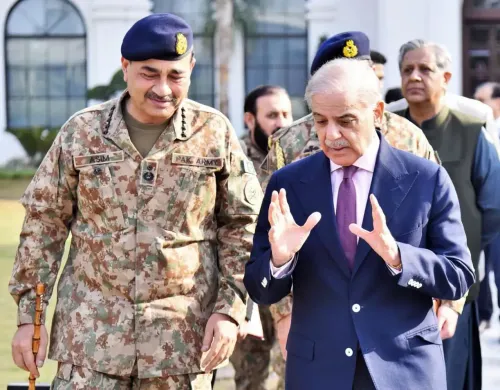
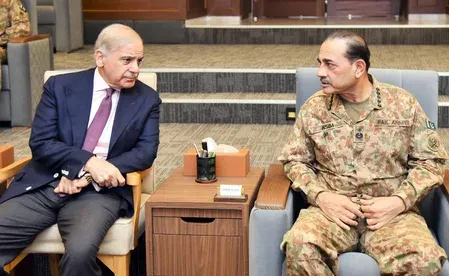
Pakistan's civilian and military leadership faces a dilemma with no clean exit. Honouring the mutual defence pact and retaliating against Iranian targets would effectively align Islamabad with the Washington-led axis — immediately militarising the 900-km Iran-Pakistan border, inflaming cross-border sectarian tensions, and potentially energising Baloch insurgent networks.
Conversely, failing to respond to attacks on deployed Pakistani forces would hollow out the credibility of its defence guarantees to Gulf partners and risk severing the financial lifeline that Riyadh provides to Pakistan's struggling economy. Remittances and energy imports from the Gulf remain critical pillars of Pakistan's economic survival.
The domestic dimension compounds the crisis. Pakistan possesses the world's second-largest Shi'ite population, making any direct military action against Iran a potential trigger for sectarian unrest at home. Simultaneously, Islamabad is managing an active conflict with the Taliban regime along the Durand Line and sustaining a nuclear deterrent posture against India — leaving no strategic bandwidth for a third front.
Pakistan's Diplomatic Push for a Ceasefire
Aware of these cascading risks, Pakistan is urgently leveraging its historical ties with both Riyadh and Tehran to advocate for a sustainable ceasefire. Islamabad's position as a potential mediator, however, is undermined by the very treaty obligations that bind it to one side of the conflict.
This comes amid a broader Middle East trajectory that analysts warn is careening toward all-out war. Historically, Pakistan has navigated regional conflicts through strategic ambiguity — but the binding nature of its Saudi defence pact, combined with troops already on the ground, has fundamentally altered that calculus.
Whether Pakistan can thread this needle without being pulled into the war will depend on how quickly — and whether — a ceasefire can be brokered between Washington and Tehran.
Point of View
Not operational war plans. Islamabad's Saudi deployment — troops, jets, air defence — was meant to signal resolve, not trigger a shooting war with a neighbour that shares a 900-km border and a deep sectarian overlap. The harder question mainstream coverage is missing is whether Pakistan's nuclear umbrella signal to Riyadh was ever meant to be called, or whether it was strategic posturing that has now become a trap. A Pakistan dragged into the US-Iran conflict would not just be a Gulf story — it would be a South Asian nuclear flashpoint.
NationPress
16 Oct 2026
Frequently Asked Questions
Why is Pakistan at risk of being drawn into the US-Iran conflict?
Pakistan has a Strategic Mutual Defense Agreement with Saudi Arabia that obligates it to treat any attack on the Kingdom as an attack on itself. With over 8,000 Pakistani troops and a JF-17 squadron already deployed in Saudi Arabia, Iranian strikes on Saudi territory — including reportedly near Prince Sultan Air Base — put Pakistani forces directly in harm's way, making non-involvement increasingly untenable.
What is the Pakistan-Saudi Arabia mutual defence pact?
It is a bilateral security treaty modelled on NATO's collective-defence framework, under which aggression against either signatory is considered aggression against both. Senior Pakistani defence officials have previously indicated the pact includes a nuclear umbrella for Saudi Arabia, though this has not been formally confirmed.
What happens if Pakistan retaliates against Iran?
Retaliating would effectively align Pakistan with the US-led axis, militarising its 900-km border with Iran and risking a spillover of conflict onto Pakistani soil. It would also inflame domestic sectarian tensions given Pakistan's large Shi'ite population, and could embolden Baloch insurgent groups along the western frontier.
What are the consequences if Pakistan does not respond?
Failing to honour its defence commitments would severely damage Pakistan's credibility with Gulf partners and risk losing critical financial support from Riyadh, including remittances and energy imports that prop up its struggling economy. It would signal that Pakistan's security guarantees are hollow under real-war conditions.
What is Pakistan doing to avoid being pulled into the war?
Pakistan is conducting intensive shuttle diplomacy with both Riyadh and Tehran, seeking to convince Iran that Saudi soil will not be used as a launchpad for attacks against it, while simultaneously pushing for a ceasefire. However, analysts note that as Iranian strikes continue, these diplomatic assurances are becoming harder to sustain.