Akhilesh backs Shankaracharya, slams BJP over Ayodhya
Synopsis
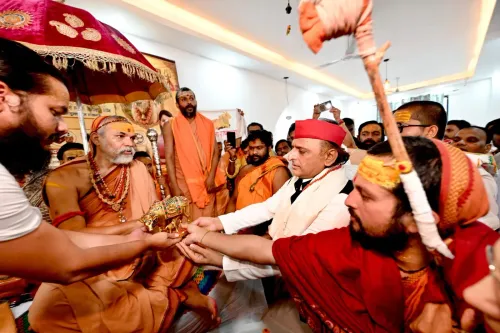
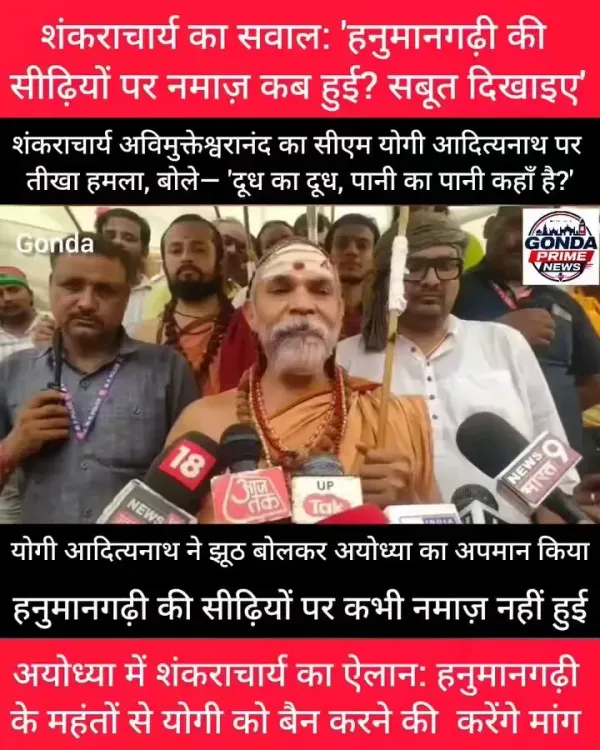
SP president Akhilesh Yadav on 17 July 2026 backed a Shankaracharya's criticism of BJP, alleging the party looted and defamed Ayodhya, and called on believers to reject BJP ahead of the 2027 UP elections.
Key Takeaways
Akhilesh Yadav declared '100% support' for a Shankaracharya's remarks critical of the BJP regarding Ayodhya .
He accused BJP members of 'looting and ruining Ayodhya' and 'spreading lies to defame it.' Yadav said Ayodhya's saint and mahant community is 'deeply hurt and outraged' by the BJP's conduct.
The post ended with a direct electoral call: 'Every believer should say — we never want BJP again.' The remarks come ahead of the 2027 Uttar Pradesh assembly elections , in which Ayodhya is a key symbolic constituency.
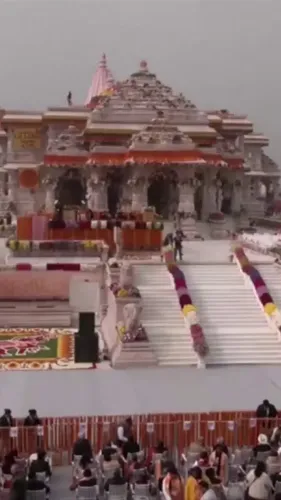
The Ram Temple was consecrated on 22 January 2024 following the Supreme Court's 2019 verdict ; some Shankaracharyas had distanced themselves from that event.
Samajwadi Party president Akhilesh Yadav on Friday, 17 July 2026, expressed full support for a Shankaracharya's remarks critical of the Bharatiya Janata Party, accusing the ruling party of looting and defaming Ayodhya and calling on believers to reject the BJP.
Context
In his post on X, Akhilesh Yadav wrote in Hindi: 'पूज्य शंकराचार्य जी की बात का हम 100% समर्थन करते हैं' ('We 100% support the words of the revered Shankaracharya'). He alleged that 'irreligious BJP members and their associates first looted and ruined Ayodhya and are now spreading lies to defame it.' The post was accompanied by a video, suggesting audio-visual evidence was cited in support of the claims.
Yadav further stated that the saint and mahant community of Ayodhya is 'deeply hurt and outraged,' and that residents feel the BJP is 'settling a score from some past life against Ayodhya's honour and dignity.' He ended with a call to the faithful: 'Every believer should say — we never want BJP again.'
Policy Backdrop
The Ram Temple in Ayodhya was consecrated by Prime Minister Narendra Modi on 22 January 2024, following the Supreme Court's landmark verdict of November 2019 that cleared the disputed site for temple construction. The BJP has positioned the temple as the fulfilment of a decades-long cultural and political commitment.
However, sections of the Hindu religious establishment — including some Shankaracharyas — had publicly distanced themselves from the 2024 consecration ceremony, citing concerns about ritual propriety and the commercialisation of the sacred city. Opposition parties, including the Samajwadi Party, have repeatedly raised issues around land acquisition, displacement of local residents, and the sidelining of Ayodhya's traditional religious community in favour of state-managed spectacle.
Stakeholders and Impact
The statement directly invokes Ayodhya's saints, mahants, and residents as aggrieved parties, a framing designed to shift the religious legitimacy debate away from the BJP. By aligning with a Shankaracharya — a figure of unimpeachable religious authority in the Hindu tradition — Yadav is signalling that his party's critique is rooted in faith, not merely political opposition.
The Samajwadi Party, the principal opposition force in Uttar Pradesh, has historically sought to consolidate a broad coalition that includes religious minorities and backward communities, but has increasingly also courted traditional Hindu sentiment in constituencies like Ayodhya. The framing of BJP leaders as 'महापापी' ('great sinners') is unusually sharp, reflecting the high emotional register around Ayodhya as a political and religious flashpoint.
What's Next
With the 2027 Uttar Pradesh assembly elections on the horizon, the BJP is likely to respond to contest the narrative around Ayodhya's development and the temple's legacy. Responses from other Shankaracharyas or the All India Akhara Parishad — the apex body of Hindu seers — could either amplify or dilute the political impact of Yadav's statement. The identity of the specific Shankaracharya referenced in the post remains unconfirmed in public records at the time of publication.
Any escalation in religious rhetoric around Ayodhya in the run-up to 2027 will test whether the Samajwadi Party's strategy of appropriating traditional Hindu grievances can peel away even a slice of the BJP's core voter base in the state.
Frequently Asked Questions
What did Akhilesh Yadav say about Ayodhya and BJP?
Akhilesh Yadav said he '100% supports' a Shankaracharya's criticism of the BJP, alleging the party looted and ruined Ayodhya and is now spreading lies to defame it, and called on believers to reject BJP.
Which Shankaracharya is Akhilesh Yadav supporting?
Akhilesh Yadav did not name the specific Shankaracharya in his post; the exact identity of the religious leader referenced has not been confirmed in public records at the time of publication.
Why is Ayodhya politically significant in UP elections?
Ayodhya is the site of the Ram Temple consecrated in January 2024 and is regarded as Lord Ram's birthplace, making it a central symbol in Uttar Pradesh politics, especially ahead of the 2027 state assembly elections.
What is the Samajwadi Party's stand on the Ram Temple?
The Samajwadi Party has not opposed the Ram Temple itself but has criticised the BJP's handling of Ayodhya's development, raising concerns about commercialisation, displacement of locals, and sidelining of the traditional saint community.
When was the Ayodhya Ram Temple consecrated?
The Ram Temple in Ayodhya was consecrated on 22 January 2024 by Prime Minister Narendra Modi, following the Supreme Court's verdict of November 2019 that cleared the disputed site for temple construction.