Is Pakistan's Foreign Policy a Product of Military Subservience?
Synopsis
Pakistan's foreign policy has evolved into a system of military subservience, where civilian leaders are secondary to military directives and external influences. This report uncovers the complexity and implications of such a political structure, revealing how external dependencies challenge Pakistan's sovereignty and democratic processes.
Key Takeaways
Pakistan's foreign policy is influenced heavily by military interests.
The military establishment is trading geopolitical services for dominance.
There is a troubling dependency on external powers .
Constitutional amendments are strengthening military power.
The public remains resilient against military control.
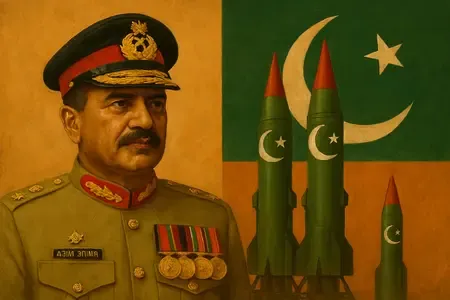
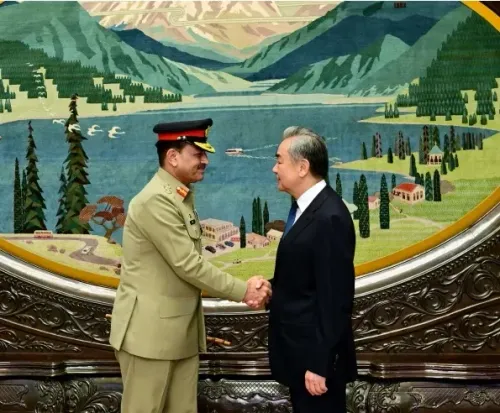
Kabul, Dec 11 (NationPress) Pakistan is not following a traditional foreign policy; rather, it operates within a framework of layered subservience, with its military establishment at the forefront, offering services to dominant powers, such as the United States, China, and Saudi Arabia, in return for financial aid, arms, diplomatic protection, and immunity for domestic abuses, according to a report released on Thursday.
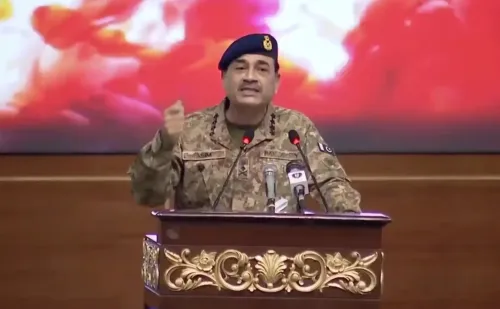
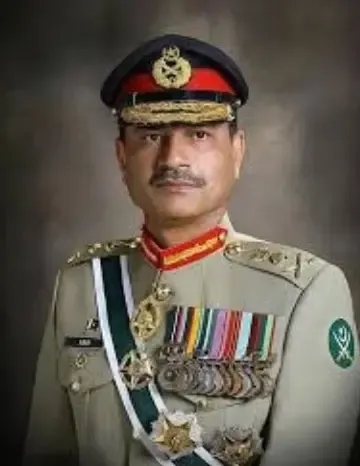
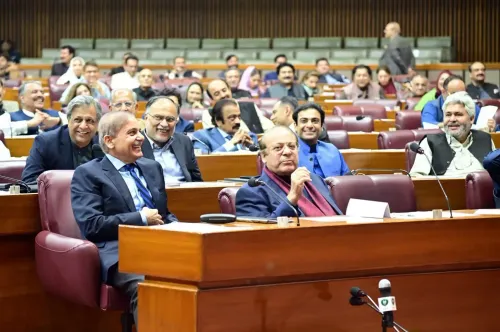
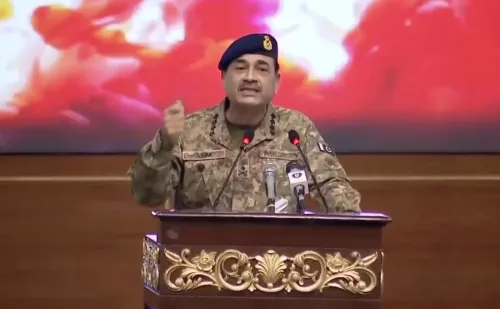
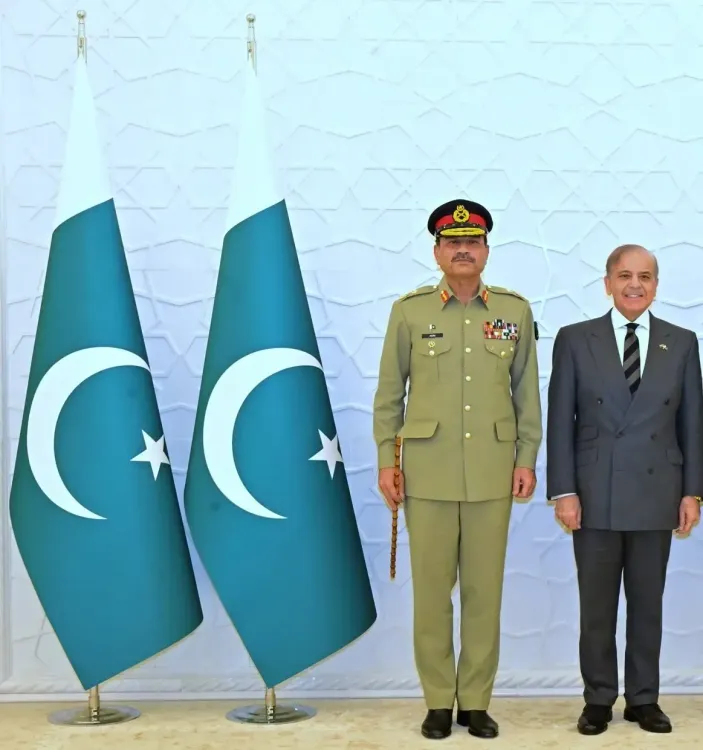
Furthermore, the report highlighted that beneath this hierarchy, civilian politicians in Pakistan vie for the military’s approval, endorsing constitutional frameworks that position one unelected Army Chief, Asim Munir, beyond judicial scrutiny and immune from future governmental oversight.
“Pakistan is a nation that emerged from the post-colonial era, portraying itself as a fiercely independent state proud of its nuclear capabilities. However, a closer examination of decision-making in Islamabad and Rawalpindi reveals a contrasting reality: a nation deeply dependent on external powers, struggling to assert its sovereignty. Over decades, Pakistan's political structure has been shaped around external interests,” a report from the Afghan media outlet Amu TV elaborated.
“Externally, it began with Washington and its allies, transitioned to Beijing, and now includes Gulf nations. Internally, it revolves around the military establishment that exchanges geopolitical services abroad for unchallenged dominance within Pakistan. Consequently, this creates a landscape where elected officials are often weak and follow scripts written by external forces,” the report further stated.
The report emphasized that this foreign dependency is echoed domestically, where civilians are expected to comply with military directives. Notably, no Prime Minister in Pakistan's history has completed a full five-year term, and even during nominally democratic periods, critical decisions on security, foreign affairs, and economic matters are predominantly made by the military in Rawalpindi.
Moreover, the report underscored that rather than diminishing, the military's control over the country has become more entrenched. The current Pakistani administration has sanctioned a constitutional amendment that amplifies the powers of the Army Chief and grants him lifelong legal immunity after his term concludes.
“Lawyers are already contesting this new constitutional alteration; journalists continue to challenge the government despite severe repression; and the citizens of Pakistan have consistently demonstrated their willingness to protest against electoral fraud. However, time is not in their favor. Each year, this dependency on foreign powers and the Pakistani military makes it increasingly difficult to envision a nation where pivotal issues are debated openly by elected officials instead of being secretly negotiated by military generals,” the report concluded.
Point of View
We stand resolutely with the nation, underscoring the need for a balanced approach to governance. The revealed dynamics of foreign influence and military control prompt an urgent dialogue on restoring democratic integrity and national sovereignty in Pakistan.
NationPress
13 Oct 2026
Frequently Asked Questions
What does the report say about Pakistan's foreign policy?
The report indicates that Pakistan's foreign policy is not conventional but is characterized by a system of layered subservience to its military establishment, which offers services to major powers in exchange for support.
How does military influence affect civilian politicians in Pakistan?
Civilian politicians in Pakistan are often at the mercy of military directives, competing for favor and endorsing constitutional arrangements that elevate military leaders above political scrutiny.
What implications does this have for Pakistan's democracy?
The military's grip on power undermines democratic processes, making it difficult for elected officials to make significant decisions independently.
Is there any legal challenge to the military's growing power?
Yes, lawyers are challenging recent constitutional amendments that have expanded the powers of the Army Chief and provided him with lifelong immunity.
What has been the public response to this military dominance?
The people of Pakistan have shown willingness to protest against perceived electoral injustices, despite facing significant repression.