How Did Denmark and the Faroe Islands Take Over the 2026 Presidency of the Nordic Council of Ministers?
Synopsis
Denmark and the Faroe Islands have officially taken the lead in the Nordic Council of Ministers for 2026. Their presidency promises to enhance Nordic unity, focusing on societal security and competitiveness while updating the Helsinki Treaty. This pivotal moment could reshape regional collaboration and strengthen ties among Nordic nations.
Key Takeaways
Denmark and the Faroe Islands began their presidency of the Nordic Council of Ministers .
Aiming to update the Helsinki Treaty to reflect eight nations.
Focus on societal security and regional competitiveness .
Commitment to enhancing cooperation with Greenland and Aland .
The 2026 presidency theme is " The Nordic Region: Strong Ties in Changing Times ."
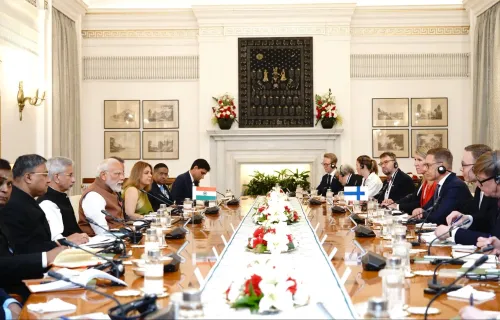
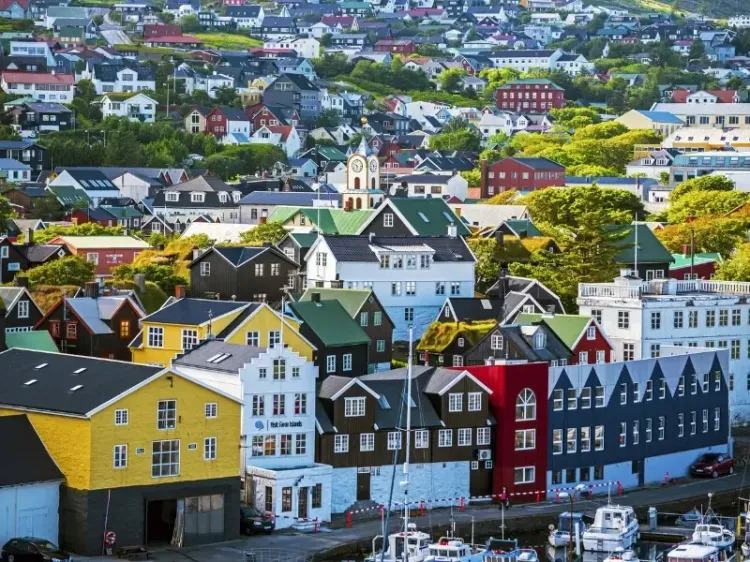
Oslo, Jan 1 (NationPress) On Thursday, Denmark and the Faroe Islands officially assumed the 2026 presidency of the Nordic Council of Ministers, committing to enhance collaborative efforts within the Nordic region, with an emphasis on societal security, competitiveness, and the revision of the Helsinki Treaty.
A statement from the Nordic Council of Ministers highlighted that a primary objective of the Danish-Faroese presidency will be to revise the Helsinki Treaty to accurately represent the eight nations involved in Nordic cooperation. Focus areas will include societal security and enhancing competitiveness.
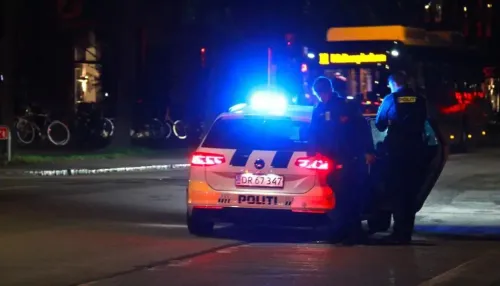
Throughout their leadership term, Denmark and the Faroe Islands will aim to strengthen partnerships in critical areas such as societal security, supply security, cross-border crime, regional competitiveness, and safeguarding children and youth in the digital landscape.
The presidency will also advocate for the full inclusion of Greenland and the Faroe Islands, along with Aland, should Finland and Aland agree, as equal contributors to Nordic collaboration, as reported by Xinhua news agency. Greenland and the Faroe Islands enjoy self-governance under the Kingdom of Denmark, managing their own parliamentary affairs while Denmark oversees foreign policy and defense.
Aland is a demilitarized, autonomous archipelago linked to Finland, possessing its own parliament and recognizing Swedish as its sole official language.
Denmark's Minister for Nordic Cooperation, Morten Dahlin, expressed the Danish government's backing for the ambitions of the Faroe Islands and Greenland to engage fully in Nordic cooperation as equals with other Nordic nations.
The Faroese Minister for Nordic Cooperation, Sirid Stenberg, remarked on the urgent need to enhance relationships among Nordic neighbors during uncertain times. She indicated that the Faroe Islands have long sought to participate in their own right and that the presidency aims to establish a commission to revise the Helsinki Treaty and pursue full membership for the Faroe Islands.
The Helsinki Treaty, often referred to as the Nordic constitution, governs Nordic collaboration and was established in 1962, with its last update occurring in 1996, according to the Nordic Council of Ministers.
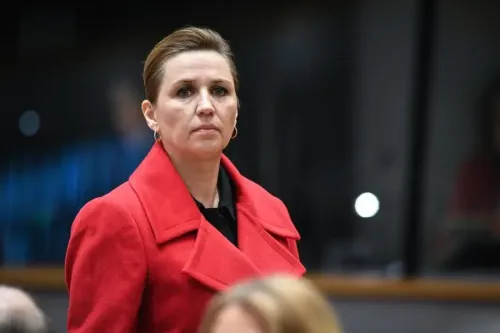
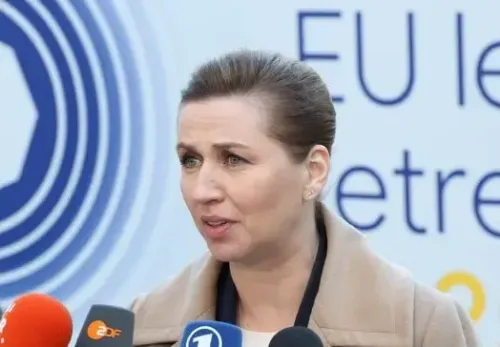
The presidency program was unveiled in October 2025 during the Nordic Council session in Stockholm. During this event, Danish Prime Minister Mette Frederiksen and Faroese Prime Minister Aksel V Johannesen emphasized the significance of Nordic unity amid challenging times.
"In such uncertain times, it is essential for us to remain united in the Nordic Region," they stated, further noting that the 2026 presidency will carry the theme "The Nordic Region: Strong Ties in Changing Times."
Point of View
I find that the transition of leadership to Denmark and the Faroe Islands within the Nordic Council of Ministers is a pivotal moment. Their commitment to societal security and competitiveness is timely, given the uncertainties in today's world. This presidency has the potential to enhance cooperation among Nordic countries significantly.
NationPress
26 Sept 2026
Frequently Asked Questions
What are the main goals of the 2026 presidency?
The primary goals include enhancing societal security, boosting competitiveness, and updating the Helsinki Treaty to reflect the participation of eight Nordic countries.
Who are the leaders of Denmark and the Faroe Islands?
The Danish Prime Minister is Mette Frederiksen, and the Faroese Prime Minister is Aksel V Johannesen.
What is the Helsinki Treaty?
The Helsinki Treaty, established in 1962 and last updated in 1996, governs Nordic cooperation and is often referred to as the Nordic constitution.
What is the significance of Greenland and the Faroe Islands in this presidency?
Greenland and the Faroe Islands are self-governing regions of the Kingdom of Denmark, and this presidency aims to ensure their full participation in Nordic cooperation.
How does the presidency plan to tackle societal issues?
The presidency will focus on strengthening cooperation in areas such as societal security, digital protection of children, and addressing cross-border crime.