Yemen crisis: UN warns 21,000 households displaced, food and shelter urgently needed
Synopsis
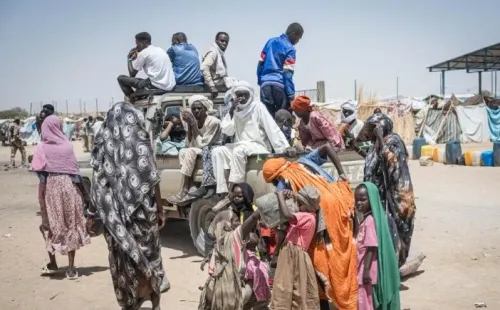
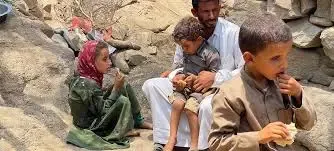
The UN has verified 125 civilian casualties and 21,000 displaced households in Yemen since August 1 — with over 80% of this month's casualties being women and children. More than 2,700 pregnant women are among those uprooted, 300 of them due to give birth in two weeks, in a country where emergency obstetric facilities have been shut down by the violence.
Key Takeaways
21,000 households have been displaced across Yemen since 1 August 2026 , mostly in the governorates of Taiz and Lahj .
The UN Human Rights Office verified 125 civilian casualties in 36 incidents — 32 killed , 93 injured — with more than 80% being women and children this month.
Ambulances were attacked in Lahj on Friday , killing a driver and an emergency medical responder; 9 health facilities have been damaged, closed, or attacked.
More than 2,700 pregnant women are among the displaced, including 300 expected to deliver within two weeks and 500 needing emergency obstetric care.
Humanitarian partners have reached nearly 13,000 households with aid; the WHO has delivered surgical supplies and antibiotics to 4 hospitals in Aden and Marib .
OCHA has called on all conflict parties to protect civilians and allow unhindered humanitarian access.
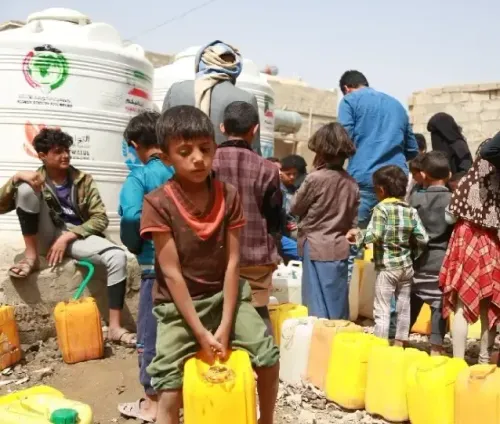
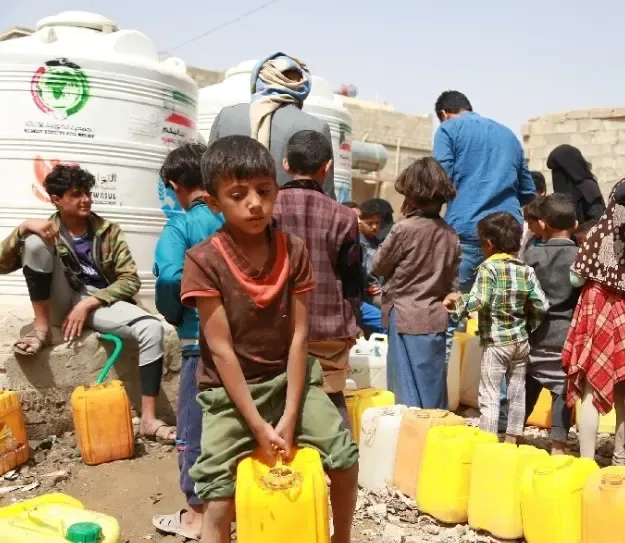
The United Nations has sounded an urgent alarm over the worsening humanitarian situation in Yemen, warning that 21,000 households have been displaced since 1 August 2026, with food, shelter, and medical supplies running critically low as violence intensifies. The UN Office for the Coordination of Humanitarian Affairs (OCHA) said on Monday that it and its partners have scaled up support for displaced families, but the response continues to be hampered by funding shortfalls and access constraints.
Scale of Displacement and Civilian Casualties
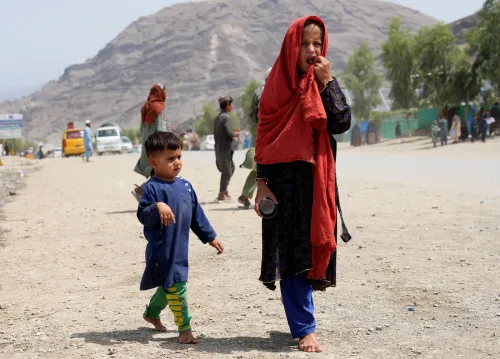
The majority of the displaced households are concentrated in the governorates of Taiz and Lahj, with the figure expected to rise as registration continues. Since 1 August, the UN Human Rights Office has verified 125 civilian casualties across 36 incidents — 32 people killed and 93 others injured. Notably, more than 80 per cent of casualties recorded this month were women and children. Officials cautioned that the actual toll is likely much higher than verified figures suggest.
Attacks on Health Infrastructure
The humanitarian crisis has been compounded by direct attacks on medical infrastructure. Ambulances were attacked in Lahj governorate on Friday, killing a driver and an emergency medical responder. Nine health facilities in Taiz, Lahj, and the city of Al Hodeidah were damaged, closed, or directly attacked. Hospitals receiving the wounded are now running short of blood, anaesthetics, and surgical supplies — a situation that OCHA described as acutely dangerous.
Pregnant Women and Newborns at Heightened Risk
Women and girls face disproportionately severe consequences, according to OCHA, which noted that three women die every day in Yemen due to pregnancy complications or during childbirth. The latest escalation has amplified those risks sharply. The UN Population Fund (UNFPA) estimated that more than 2,700 pregnant women are among the displaced, including 300 expected to give birth within the next two weeks and at least 500 in need of emergency obstetric or newborn care. Key emergency obstetric facilities in Taiz have been shut, forcing displaced women to give birth in the open without skilled medical assistance.
Humanitarian Response and Urgent Calls
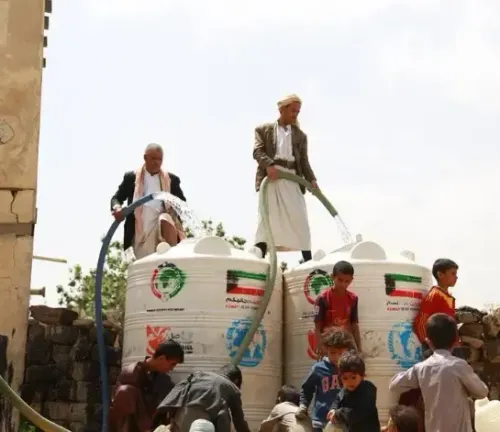
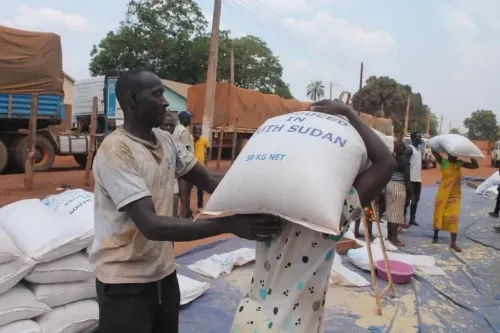
Humanitarian partners have so far reached nearly 13,000 displaced households with rapid response kits and urgently needed assistance. The World Health Organization (WHO) has delivered surgical supplies and antibiotics to four hospitals in the cities of Aden and Marib. OCHA has called on all parties to the conflict to protect civilians — including health workers and ambulances — and to allow the unhindered delivery of humanitarian aid. This comes amid a pattern of recurring displacement crises in Yemen that have persisted for over a decade, with international funding consistently falling short of assessed needs.
Point of View
A spike in displacement, and a UN appeal that is met with partial funding and constrained access. What stands out this time is the scale of the threat to women specifically — three maternal deaths a day, 2,700 pregnant women uprooted, and emergency obstetric facilities shuttered in Taiz. International donors have repeatedly underfunded Yemen relative to assessed needs, and that pattern is the single biggest structural failure this appeal highlights. Verified casualties almost certainly undercount the real toll, which means the numbers cited today should be treated as a floor, not a ceiling.
NationPress
22 Sept 2026
Frequently Asked Questions
How many people have been displaced in Yemen since August 2026?
According to OCHA, at least 21,000 households have been displaced across Yemen since 1 August 2026, with the majority in the governorates of Taiz and Lahj. The figure is expected to rise as registration of displaced persons continues.
What is the civilian casualty toll in Yemen's latest conflict escalation?
The UN Human Rights Office has verified 125 civilian casualties across 36 incidents since 1 August — 32 people killed and 93 injured. More than 80 per cent of casualties recorded this month were women and children, and officials say the actual toll is likely far higher.
Why are pregnant women especially at risk in Yemen right now?
UNFPA estimates that more than 2,700 pregnant women are among the displaced, including 300 expected to give birth within two weeks. Emergency obstetric facilities in Taiz have been closed due to the conflict, forcing some women to give birth without skilled medical care.
What humanitarian aid has been delivered to Yemen so far?
Humanitarian partners have reached nearly 13,000 displaced households with rapid response kits and other urgently needed supplies. The WHO has also delivered surgical supplies and antibiotics to four hospitals in Aden and Marib.
What is OCHA calling for in response to the Yemen crisis?
OCHA is calling on all parties to the conflict to protect civilians — including health workers and ambulances — and to allow the unhindered delivery of humanitarian aid. It has also flagged ongoing funding shortfalls that are limiting the scale of the response.