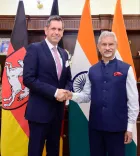
Jaishankar, Olaf Lies discuss India-Germany and EU ties
Synopsis
S Jaishankar and Lower Saxony leader Olaf Lies discussed India-Germany and India-EU cooperation in New Delhi, alongside the Ukraine conflict. Lies has said a proposed India-EU trade agreement could be concluded by year-end and create opportunities for businesses in both countries.
Key Takeaways
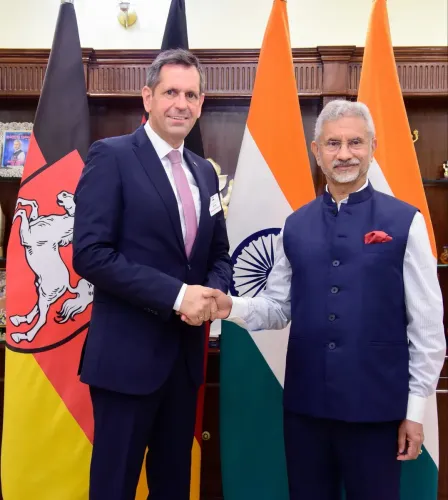
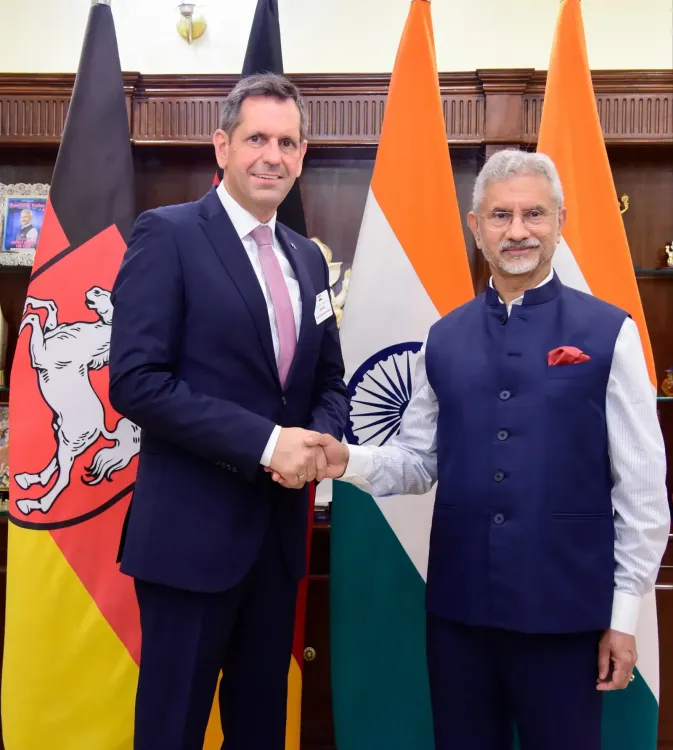
External Affairs Minister S Jaishankar met Lower Saxony Minister-President Olaf Lies in New Delhi .
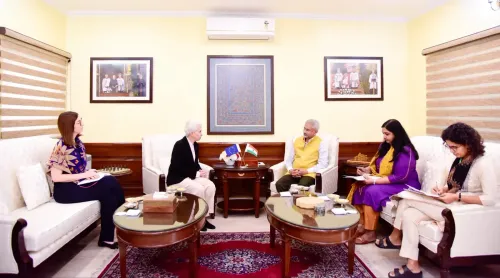
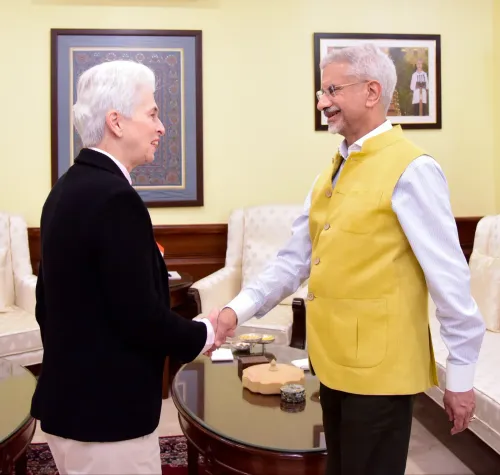
The leaders discussed strategic, economic and technological cooperation involving India , Germany and the European Union .
Jaishankar said they also exchanged views on the Ukraine conflict and other regional issues.
Lies said a proposed India-EU free trade agreement was likely to be concluded by the end of the year.
On 4 November , German Ambassador Jasper Wieck projected that the agreement could enter into force in the first half of the following year.
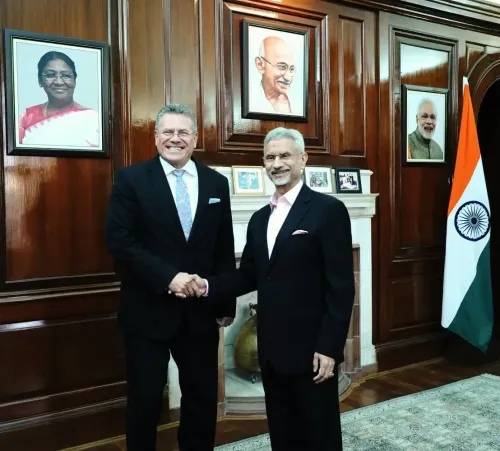
External Affairs Minister S Jaishankar met Olaf Lies, the Minister-President of Germany's Lower Saxony state, in New Delhi to discuss closer India-Germany and India-European Union cooperation. Their talks covered strategic, economic and technological ties, as well as the Ukraine conflict and other regional issues, Jaishankar said on 24 November.
The meeting came after Lies expressed optimism that a proposed India-EU free trade agreement could be concluded by the end of the year. He said an agreement would create opportunities for businesses and strengthen commercial links between Indian companies and those in Lower Saxony.
Jaishankar and Lies discuss closer cooperation
In a post on X, Jaishankar described closer cooperation between India and Germany, and between India and the European Union (EU), as a strategic, economic and technological imperative in the current turbulent era.
He also welcomed Lies' support for stronger ties. “Appreciate his positive sentiments in that regard. Also exchanged views on the Ukraine conflict and other regional issues,” Jaishankar wrote.
The minister did not provide further details in the cited post about the discussion on Ukraine or identify the other regional issues. The available account also does not specify any decisions or agreements reached at the meeting.
Trade agreement and business opportunities
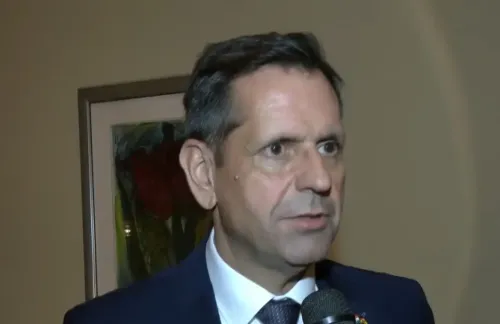
Lies had said on Tuesday that the proposed India-EU free trade agreement was likely to be concluded by the end of the year and would boost bilateral ties. His assessment was a projection, rather than an announcement that an agreement had been finalised.
He pointed to investment interest in both directions. “On the commercial front, I see companies from Germany looking to invest in India, as well as Indian companies interested in investing in Lower Saxony,” he said.
Lies said the proposed agreement could open new opportunities for industries in both countries and strengthen links between Indian businesses and companies in the German state. He also cited growing corporate interest as a sign of potential for deeper economic engagement and mutually beneficial investment.
Renewable energy and wider economic ties
Renewable energy was another area highlighted by Lies, who described India as an important partner for Germany in the sector. His comments placed energy cooperation alongside trade and investment in the broader discussion about bilateral relations.
On 4 November, German Ambassador to India Jasper Wieck had said the relationship was entering a phase of deeper engagement across trade, investment, energy and strategic sectors. He also discussed the potential implications of an India-EU trade agreement for the two countries.
Wieck said he expected the agreement to be signed by the end of the year and to enter into force in the first half of the following year. He said it would reduce tariffs on many industrial products and, partially, on agricultural products, while creating potential for closer supply-chain integration.
The assessments by Lies and Wieck describe anticipated outcomes and timelines; they do not establish that the agreement has been signed or brought into force. Businesses in India and Germany would need to see the final terms to understand which opportunities and tariff changes apply.
The next development to watch is whether the proposed agreement is concluded within the timeframe the German representatives outlined.
Point of View
And businesses need clarity on its final terms before assessing the benefits. The test will be whether diplomatic momentum translates into measurable opportunities for Indian companies as well as their German counterparts.
NationPress
24 Nov 2026
Frequently Asked Questions
What did S Jaishankar and Olaf Lies discuss?
They discussed closer India-Germany and India-EU cooperation in strategic, economic and technological areas. Jaishankar said they also exchanged views on the Ukraine conflict and other regional issues.
When could the India-EU free trade agreement be concluded?
Olaf Lies said the proposed agreement was likely to be concluded by the end of the year. His comment was a projection, not confirmation that a deal had been finalised.
Why does the proposed India-EU trade agreement matter to businesses?
Lies said the proposed agreement could create opportunities for businesses in India and Germany and strengthen links with companies in Lower Saxony. German Ambassador Jasper Wieck also said it could reduce certain tariffs and support supply-chain integration.
When did Jasper Wieck expect the trade agreement to take effect?
Wieck said he expected it to enter into force in the first half of the year following its anticipated signing. That was his projection, and the final agreement and its implementation timeline were not established in the available account.