Jaishankar meets European journalists in Delhi, pitches India-Europe ties
Synopsis
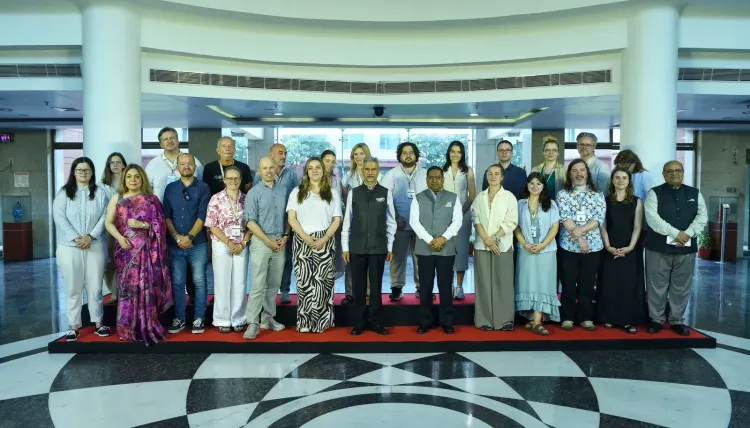
External Affairs Minister Dr. S. Jaishankar met journalists from 17 European countries in New Delhi on June 26, 2026, highlighting India's transformation and the growing convergence of India-Europe interests as part of India's structured public-diplomacy outreach.
Key Takeaways
Jaishankar met journalists from 17 European countries in New Delhi on June 26, 2026 .
Discussions covered India's domestic transformation, global flux, and growing India-Europe convergences.
The India-EU Strategic Partnership dates to 2004 ; the Trade and Technology Council was launched in May 2022 .
Journalists came from both EU members and non-EU European nations, including Iceland and Bosnia and Herzegovina .
The interaction is part of India's broader public-diplomacy strategy to shape narratives in key partner regions.
Progress on the stalled India-EU Bilateral Trade and Investment Agreement remains a key indicator to watch.
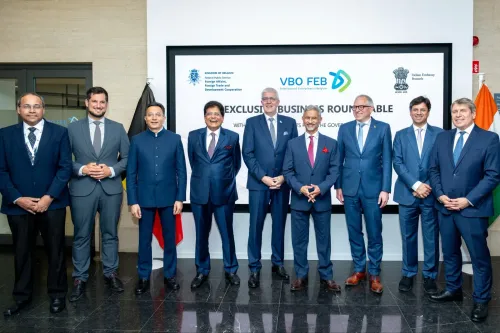
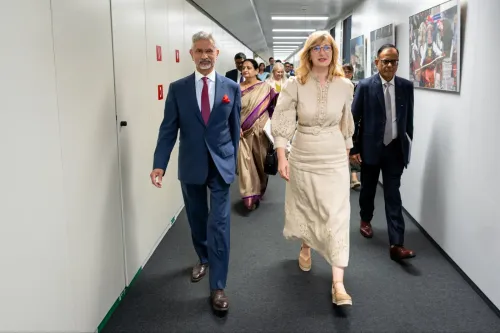
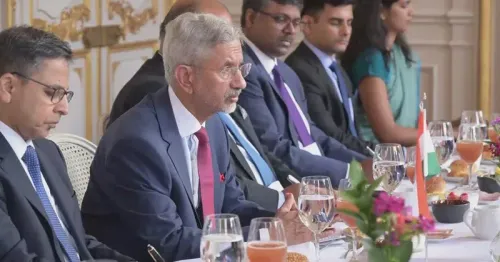
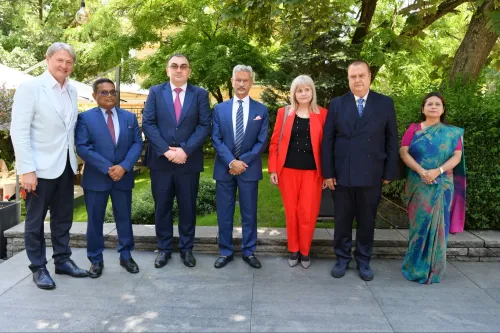
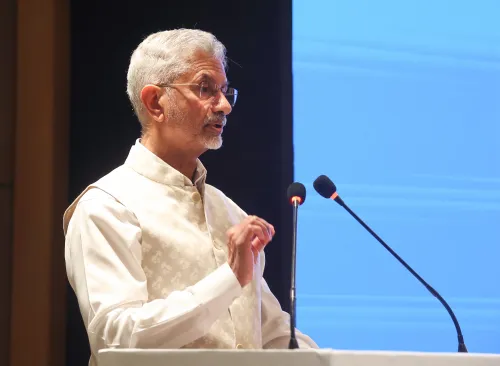
Union External Affairs Minister Dr. S. Jaishankar met a group of journalists from across Europe in New Delhi on Friday, June 26, 2026, discussing India's domestic transformation, global uncertainty, and the expanding convergence of interests between India and Europe.
Context
The meeting brought together journalists from 17 European countries, including Belgium, Bosnia and Herzegovina, Czech Republic, Estonia, Finland, France, Hungary, Iceland, Ireland, Italy, Latvia, Lithuania, Luxembourg, the Netherlands, Portugal, Slovakia, and Spain. Jaishankar described the interaction as covering 'the profound transformations underway in India, the current state of flux the world is in, and the growing convergences between India and Europe.'
The minister expressed confidence that the journalists' travels and engagements across India would 'promote a deeper understanding of India and the potential of India-Europe partnership.' The gathering is part of India's sustained public-diplomacy effort to shape narratives in key partner regions through direct media engagement.
Policy Backdrop
India and the European Union formalised their Strategic Partnership in 2004, laying the foundation for structured political dialogue and economic cooperation. After a period of limited high-level engagement, the two sides reset ties at their first virtual summit in July 2020.
A significant institutional milestone came in May 2022 with the inauguration of the India-EU Trade and Technology Council, a bilateral body designed to advance cooperation on trade, clean technology and digital issues. The council reflects Europe's growing interest in India as a manufacturing and digital-economy partner amid global supply-chain realignments.
Jaishankar, who has served as India's Ambassador to the United States, China and Singapore and as Foreign Secretary before assuming his current role in 2019, has been a consistent advocate for deepening India's European partnerships as part of a broader strategy to diversify the country's external alignments.
Stakeholders and Impact
For European governments and publics, the journalists' visit is an opportunity to observe first-hand the scale of India's economic and infrastructural change — a narrative New Delhi is keen to project abroad. Favourable coverage in European media can reinforce political support for closer bilateral ties and facilitate investor confidence.
For India, engagement with European media serves a dual purpose: countering selective or unfamiliar portrayals of the country in Western discourse, and building a constituency for the India-Europe partnership among opinion-shaping audiences. The presence of journalists from both EU member states and non-EU European nations such as Iceland and Bosnia and Herzegovina signals an intent to broaden outreach beyond the formal EU framework.
What's Next
Attention will now turn to the next India-EU Summit and any movement on reviving negotiations for the long-stalled Bilateral Trade and Investment Agreement between India and the EU. The journalists' visit, by building media familiarity with India's policy positions and economic trajectory, could contribute to a more informed European public debate ahead of those high-stakes diplomatic engagements.
As India continues to position itself as an indispensable partner in a multipolar world, structured media diplomacy of this kind is likely to remain a regular feature of the External Affairs Ministry's outreach calendar.
Point of View
The External Affairs Ministry signals an intent to broaden its European footprint beyond the formal Brussels framework. For Jaishankar, whose tenure has been defined by active multi-directional engagement, such interactions serve as a low-cost, high-reach instrument to build durable political constituencies for India abroad. The timing, amid ongoing deliberations over the India-EU trade deal and global supply-chain realignments, adds strategic weight to what might otherwise appear to be a routine media briefing.
NationPress
25 Sept 2026
Frequently Asked Questions
Why did Jaishankar meet European journalists in Delhi?
Jaishankar met the journalists to discuss India's domestic transformation, the current state of global affairs, and the growing convergence between India and Europe, as part of India's public-diplomacy outreach to shape narratives in key partner regions.
Which European countries were represented at the meeting?
Journalists from 17 countries were present: Belgium, Bosnia and Herzegovina, Czech Republic, Estonia, Finland, France, Hungary, Iceland, Ireland, Italy, Latvia, Lithuania, Luxembourg, the Netherlands, Portugal, Slovakia, and Spain.
What is the India-EU Trade and Technology Council?
The India-EU Trade and Technology Council is a bilateral body inaugurated in May 2022 to advance cooperation on trade, clean technology, and digital issues between India and the European Union.
When was the India-EU Strategic Partnership established?
The India-EU Strategic Partnership was established in 2004 to expand political dialogue and economic cooperation between the two sides.
What is the significance of India engaging European media?
Engaging European journalists allows India to build first-hand understanding of its economic and policy trajectory among opinion-shaping audiences, which can support political backing for closer India-Europe ties and investor confidence in India.