Jaishankar Meets Slovakia FM Blanár at EU Gymnich
Synopsis
EAM Dr. S. Jaishankar met Slovak FM Juraj Blanár on the margins of the EU Gymnich Meeting on May 28, 2026, reinforcing India's strategy of parallel bilateral engagement with individual EU member states alongside the broader India-EU strategic partnership.
Key Takeaways
Jaishankar met Slovak FM Juraj Blanár on the sidelines of the EU Gymnich Meeting of Foreign Ministers on May 28, 2026 .
India and Slovakia have maintained diplomatic relations since 1993 , following the dissolution of Czechoslovakia.
Slovakia has been an EU member since 2004 and is part of the Visegrad Group of Central European nations.
The meeting reflects India's doctrine of pursuing bilateral engagement with individual EU states alongside bloc-level diplomacy.
Specific outcomes or agenda items of the conversation were not disclosed in the minister's post.
The exchange adds to Dr.
Jaishankar 's consistent pattern of holding pull-aside bilaterals at major multilateral forums.
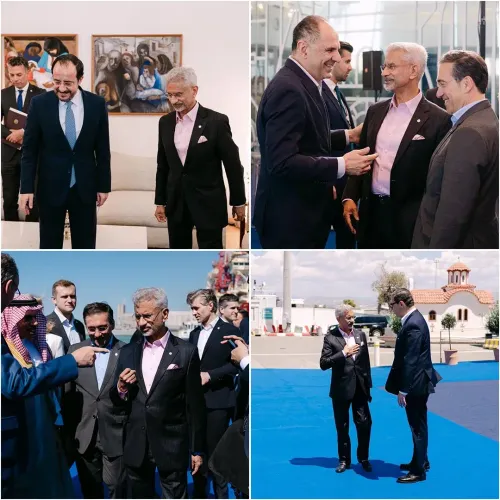
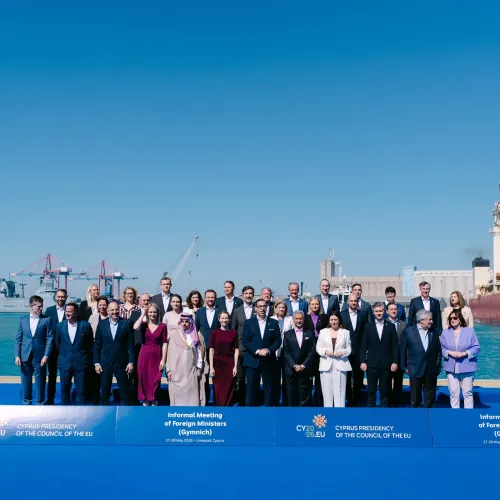
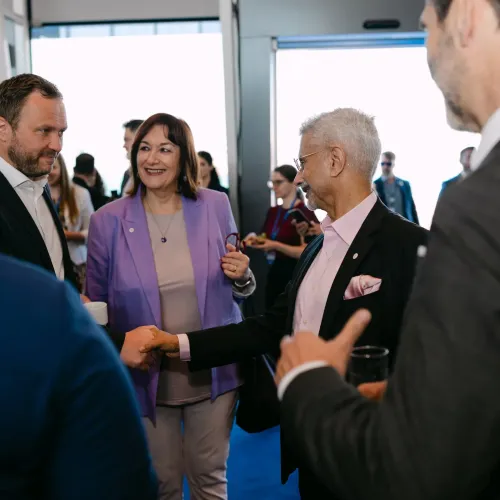
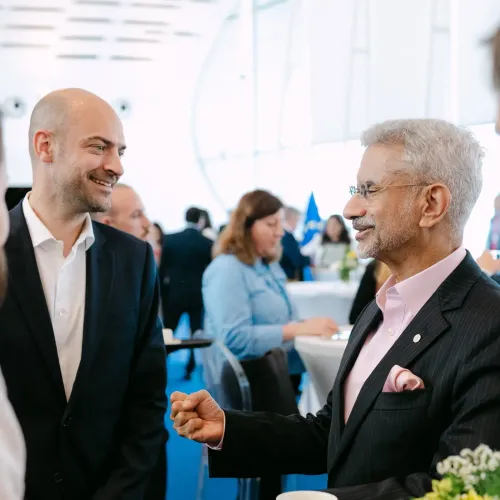
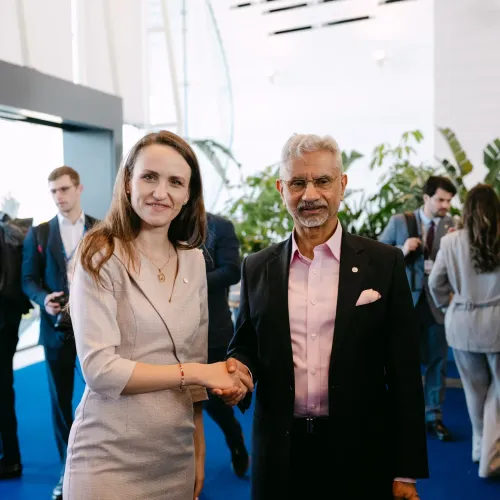
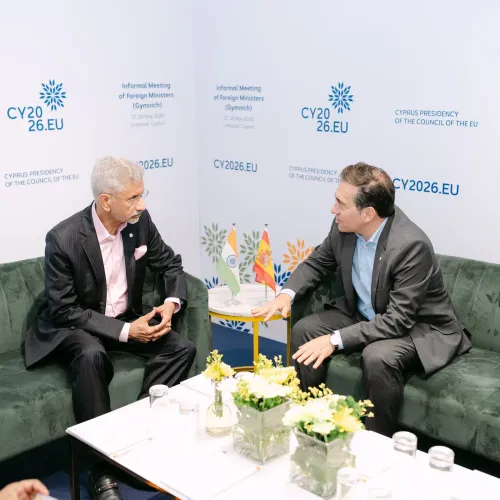
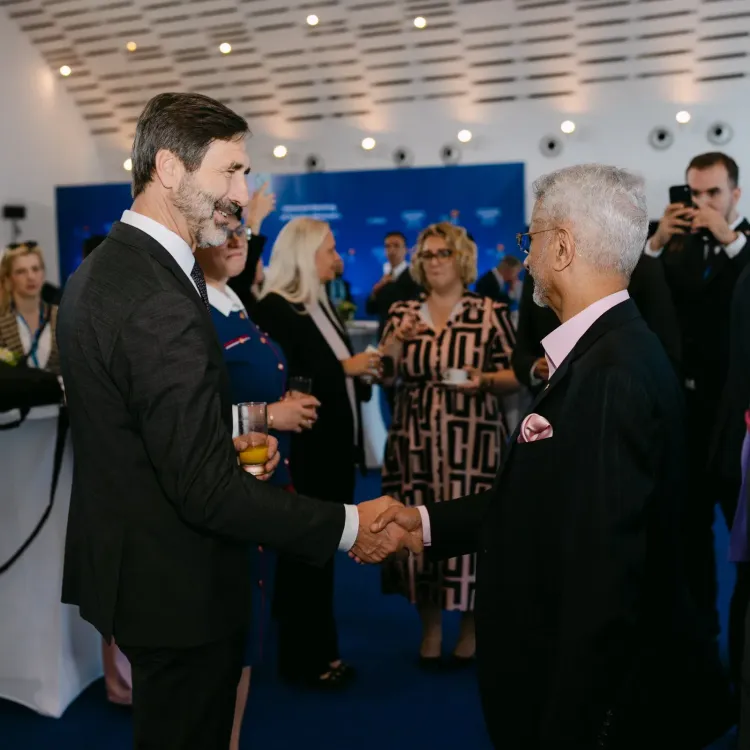
Union External Affairs Minister Dr. S. Jaishankar held a bilateral conversation with Slovak Foreign Minister Juraj Blanár on the sidelines of the EU Gymnich Meeting of Foreign Ministers on Thursday, May 28, 2026, signalling India's continued engagement with individual European Union member states beyond the bloc-level framework.
Context
The EU Gymnich is an informal gathering of EU foreign ministers convened periodically under the rotating EU presidency to discuss foreign policy priorities. Meetings on the margins of such multilateral formats have become a preferred diplomatic tool for Dr. Jaishankar, allowing focused bilateral exchanges without the formality of a standalone summit. The minister confirmed the meeting on X (formerly Twitter), writing: 'Glad to speak with FM Slovakia Juraj Blanár on sidelines of EU Gymnich Meeting of Foreign Ministers.'
Policy Backdrop
India and Slovakia established formal diplomatic relations in 1993 following the dissolution of Czechoslovakia. Slovakia, a Central European nation and EU member since 2004, is also a participant in the Visegrad Group — a regional bloc comprising Slovakia, the Czech Republic, Hungary and Poland — with which India has sought deeper engagement. New Delhi's outreach to Visegrad countries is part of a broader strategy to diversify and deepen European partnerships beyond the larger western European economies.
India and the EU maintain a Strategic Partnership that covers trade, technology, climate and security. However, New Delhi has consistently pursued parallel bilateral tracks with individual member states, recognising that each country brings distinct interests and leverage to the table. Central European partners like Slovakia are of growing interest given their positions on connectivity, manufacturing and EU internal politics.
Stakeholders and Impact
For India, the meeting reinforces its diplomatic presence within EU ministerial circles at a time when the India-EU relationship is navigating trade negotiations and strategic alignments. Slovak businesses and diaspora communities — as well as Indian exporters and investors eyeing Central Europe — stand to benefit from any deepening of bilateral ties. The exchange also signals New Delhi's intent to keep communication channels open across the EU's diverse membership.
Dr. Jaishankar has made it a consistent practice to hold such pull-aside meetings at major multilateral events, from UN General Assembly sessions to G20 and EU-format gatherings. This pattern reflects India's multi-alignment doctrine — maintaining active, independent relationships with as many partners as possible rather than relying solely on bloc-to-bloc diplomacy.
What's Next
The specific agenda and outcomes of the conversation between Dr. Jaishankar and FM Blanár were not disclosed in the post. Observers will watch for any follow-up bilateral visits, joint statements, or references to the meeting in subsequent official communications from either New Delhi or Bratislava. The next scheduled India-EU Summit will also be a marker for whether the momentum from such margin meetings translates into concrete deliverables. As India continues to expand its European diplomatic footprint, engagements like this one at Gymnich underscore that New Delhi views every multilateral forum as an opportunity to advance its bilateral agenda across the continent.
Point of View
Country by country, rather than relying solely on the EU-India institutional track. Slovakia's position within the Visegrad Group gives New Delhi an indirect line into a bloc that has at times diverged from western European consensus on issues ranging from migration to Russia policy. For Dr. Jaishankar, every multilateral corridor is a bilateral opportunity — a philosophy that has defined his tenure as External Affairs Minister. The meeting signals that India's European outreach is deepening in breadth, even when the immediate outcomes remain undisclosed.
NationPress
20 Oct 2026
Frequently Asked Questions
Why did Jaishankar meet Slovakia FM at the EU Gymnich meeting?
Dr. S. Jaishankar met Slovak FM Juraj Blanár on the sidelines of the EU Gymnich Meeting of Foreign Ministers on May 28, 2026, as part of India's practice of holding bilateral conversations at multilateral forums to deepen ties with individual EU member states.
What is the EU Gymnich meeting?
The EU Gymnich is an informal gathering of European Union foreign ministers held periodically under the rotating EU presidency to discuss foreign policy matters without binding decisions.
What are India-Slovakia diplomatic relations?
India and Slovakia established formal diplomatic relations in 1993 after the dissolution of Czechoslovakia. Slovakia joined the EU in 2004 and is a member of the Visegrad Group, with which India has sought stronger ties.
Who is Juraj Blanár?
Juraj Blanár is the Foreign Minister of Slovakia, representing the Central European EU member state in international diplomatic engagements.
What is India's strategy with EU member states?
India pursues parallel bilateral engagement with individual EU member states alongside the broader India-EU Strategic Partnership, aiming to diversify and deepen European relationships across the continent.