Jaishankar Meets Spain FM Albares at Cyprus Gymnich
Synopsis
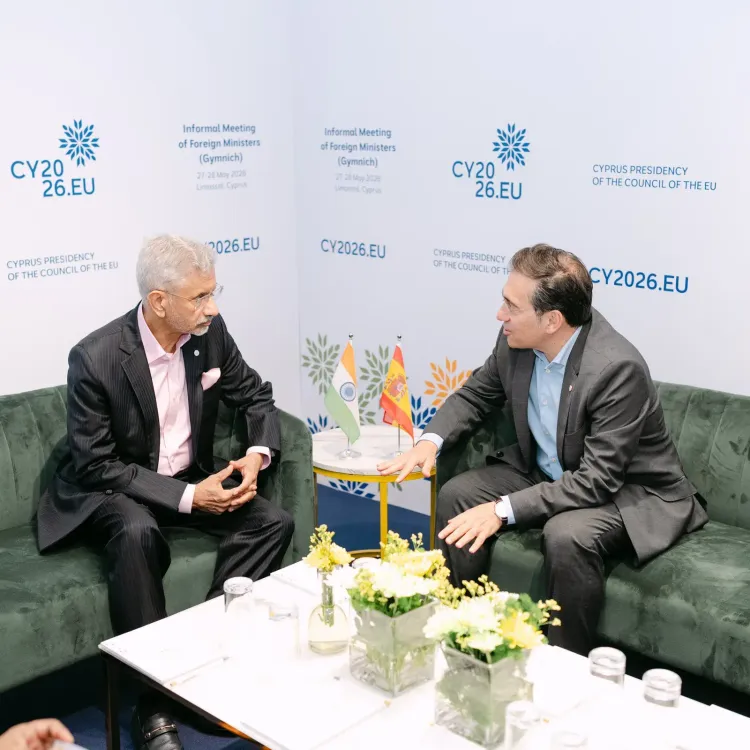
External Affairs Minister Dr. S. Jaishankar met Spanish Foreign Minister José Manuel Albares on the sidelines of the Gymnich meeting in Cyprus on 28 May 2026, discussing steps to deepen trade, technology, defence and people-to-people ties between India and Spain.
Key Takeaways
Jaishankar met Spanish FM José Manuel Albares on the sidelines of the Gymnich EU foreign ministers' meeting in Cyprus on 28 May 2026 .
Discussions covered trade, technology, defence and people-to-people ties between India and Spain.
Jaishankar noted appreciation for Albares's views on 'ongoing global and regional developments.' The meeting reflects India's broader strategy of bilateral outreach to individual EU member states alongside engagement at the bloc level.
The India-EU Strategic Partnership (launched 2004 ) provides the overarching framework for such high-level engagements.
Progress on the India-EU Trade and Technology Council and any follow-up working group meetings will be key indicators of next steps.
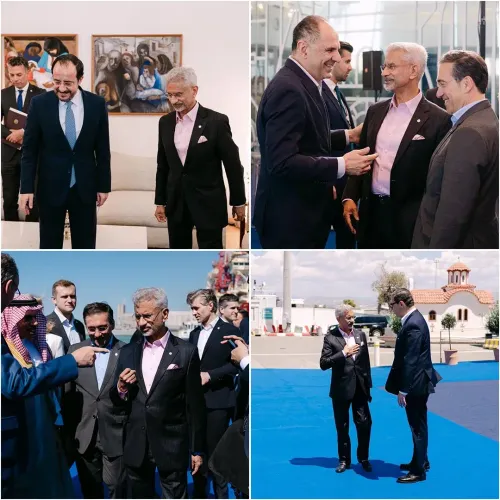
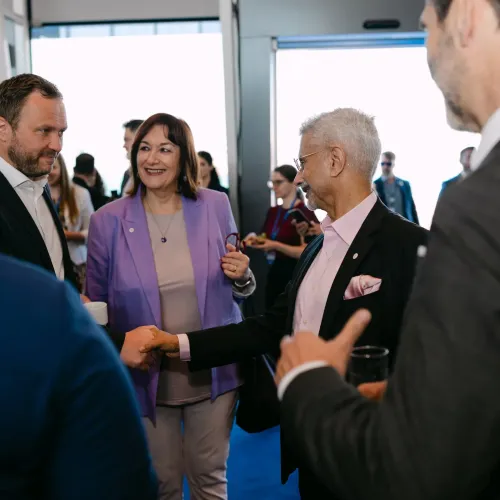
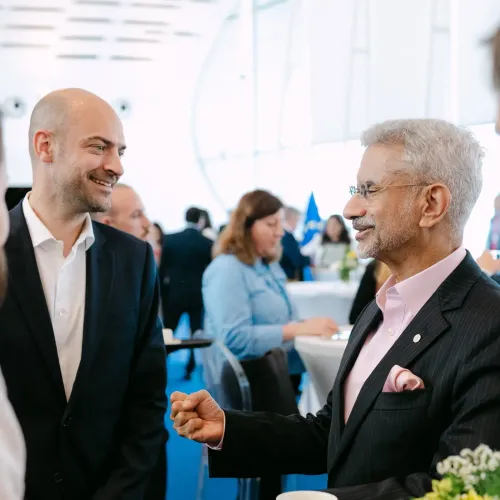
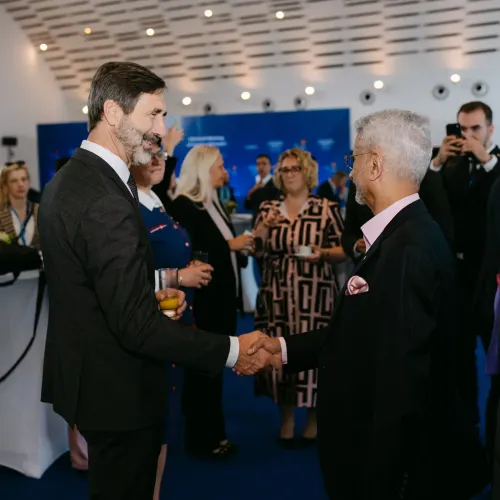
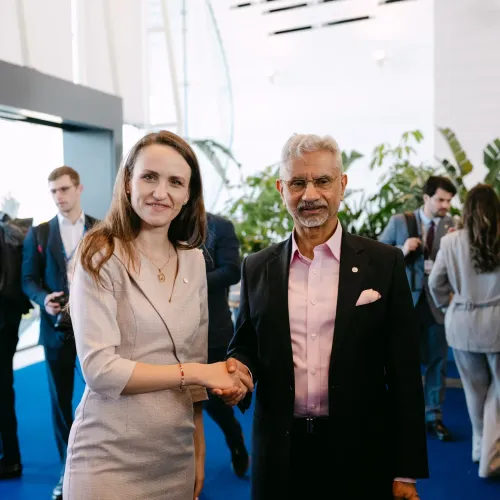
Union External Affairs Minister Dr. S. Jaishankar met Spanish Foreign Minister José Manuel Albares on the sidelines of the Gymnich meeting in Cyprus on Thursday, 28 May 2026, holding discussions on trade, technology, defence and people-to-people ties between India and Spain.
Context
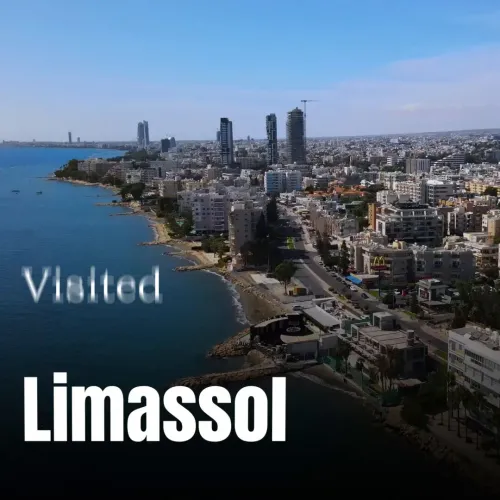
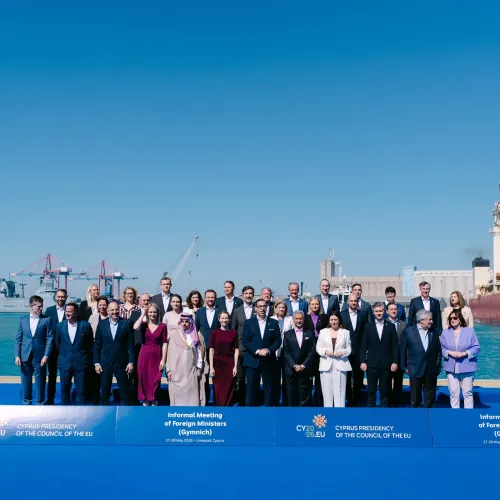
The meeting took place on the margins of the Gymnich, the informal gathering of European Union foreign ministers convened periodically to coordinate bloc-wide foreign policy positions. Cyprus hosted the session as part of the rotating EU presidency calendar. Such sideline engagements have become a standard feature of Indian diplomatic outreach, allowing New Delhi to advance bilateral agendas within multilateral settings.
Dr. Jaishankar posted on X that it was 'a pleasure to meet FM Albares of Spain,' noting that they 'discussed further steps for our trade, technology, defence and P2P ties' and that he appreciated Albares's 'views on ongoing global and regional developments.'
Policy Backdrop
The India-EU Strategic Partnership, launched in 2004, established the foundational framework for regular high-level political dialogue and sectoral cooperation between New Delhi and EU member states, including Spain. India has since pursued systematic outreach to individual European capitals to diversify trade relationships, technology supply chains and defence partnerships.
Spain is a significant EU member state with an established defence industry and growing commercial interests in the Indian market. The bilateral relationship spans sectors including aerospace, renewable energy, pharmaceuticals and digital technology, making engagements at the foreign-minister level consequential for both sides.
Stakeholders and Impact
Defence manufacturers and technology exporters on both sides stand to benefit from any momentum generated by such high-level political signalling. India's multi-alignment foreign policy approach actively seeks diversified European partners for supply chains and security cooperation, reducing dependence on any single bilateral relationship.
People-to-people ties — encompassing the Indian diaspora in Spain, student mobility, and tourism flows — form another pillar of the bilateral agenda. Progress in this area typically follows from joint working group meetings and visa facilitation agreements that political-level discussions help unlock.
What's Next
Observers will watch for progress reports from the India-EU Trade and Technology Council, which provides the institutional architecture for translating political intent into concrete deliverables on market access, joint research and digital trade. Any follow-up bilateral visits or joint working group meetings on defence and technology cooperation will indicate whether Thursday's sideline meeting advances to a more structured engagement.
The broader pattern of India's European diplomacy suggests that meetings of this kind are part of a deliberate strategy to build durable bilateral relationships within the EU framework, ensuring that New Delhi's interests are represented both at the bloc level and in individual member-state capitals.
Point of View
Rather than relying solely on India-EU summits. By engaging Spain — a NATO member with a substantial defence industry — on the margins of a Gymnich session, Dr. Jaishankar signals that India's European outreach is both systematic and multi-sectoral. The inclusion of defence alongside trade and technology in the agenda reflects the post-2022 global security environment, in which European partners are reassessing supply-chain and security dependencies. If the political signal translates into working-group-level follow-through, the meeting could mark a modest but meaningful step in deepening one of India's less-publicised European partnerships.
NationPress
11 Oct 2026
Frequently Asked Questions
What did Jaishankar and Spain's FM discuss at the Gymnich meeting?
Dr. S. Jaishankar and Spanish Foreign Minister José Manuel Albares discussed further steps for trade, technology, defence and people-to-people ties between India and Spain, as well as ongoing global and regional developments.
What is the Gymnich meeting?
The Gymnich is an informal gathering of European Union foreign ministers, held periodically under the rotating EU presidency to coordinate the bloc's foreign policy positions without formal decision-making.
Where was the Gymnich meeting held in May 2026?
The Gymnich meeting referenced by Dr. Jaishankar was held in Cyprus, where he met Spanish FM Albares on the sidelines on 28 May 2026.
What is the India-Spain bilateral relationship based on?
India and Spain engage within the broader India-EU Strategic Partnership framework established in 2004, with bilateral cooperation spanning trade, defence, technology, renewable energy and people-to-people exchanges.
What is the India-EU Trade and Technology Council?
The India-EU Trade and Technology Council is an institutional mechanism designed to advance cooperation on market access, joint research and digital trade between India and the European Union, and is a key forum to watch for follow-up on political-level meetings.