Jaishankar joins EU Gymnich meet in Limassol, Cyprus
Synopsis
External Affairs Minister Dr. S. Jaishankar attended the informal EU Gymnich foreign ministers meeting in Limassol, Cyprus on May 28, 2026, discussing practical collaborations and shared interests in the emerging multipolar order — the latest step in deepening India–EU ties.
Key Takeaways
Jaishankar attended the informal EU Gymnich foreign ministers meeting in Limassol, Cyprus on May 28, 2026 .
The Gymnich format is traditionally reserved for EU member states and candidate countries ; India's inclusion signals elevated partnership status.
Discussions covered 'opportunities, practical collaborations and shared interests in the emerging multipolar order,' per Dr.
Jaishankar's own post.
The India–EU Strategic Partnership dates to 2004 ; trade agreement negotiations were revived in 2022 after a decade-long pause.
The India–EU Trade and Technology Council , launched in 2022 , held its first meeting in Brussels in May 2023 .
The visit complements India's broader strategy of deepening ties with the EU alongside individual European powers as part of a multipolar foreign policy.
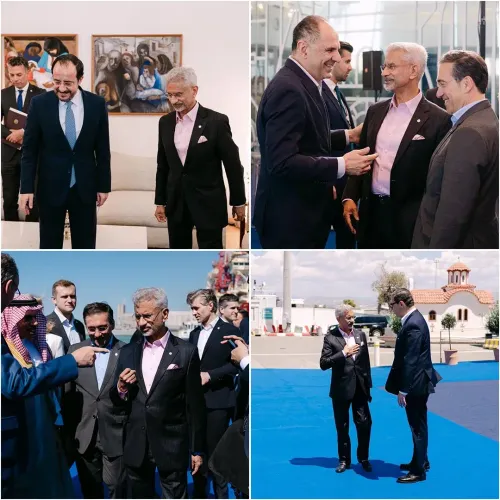
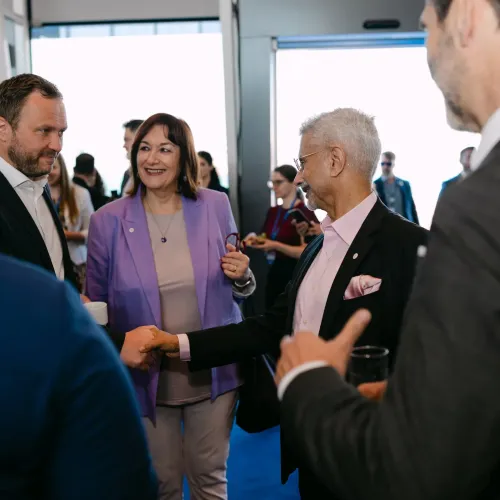
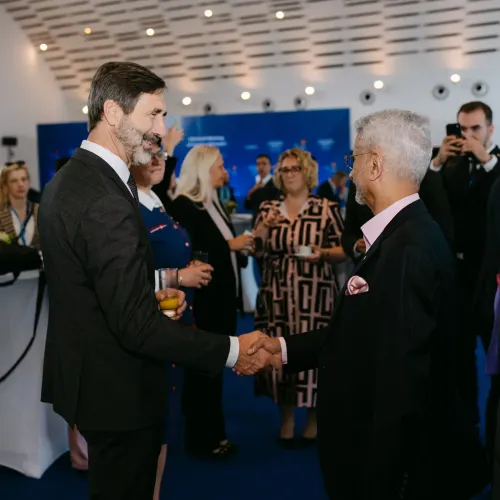
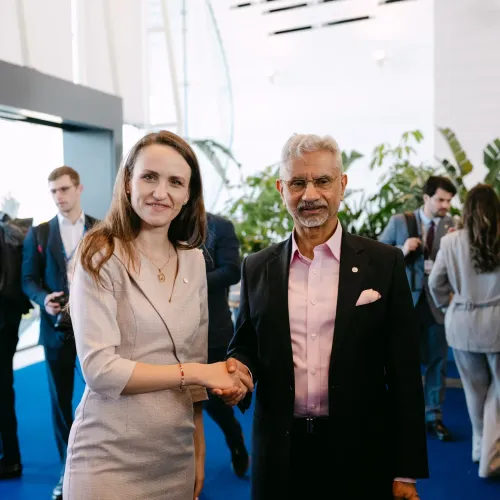
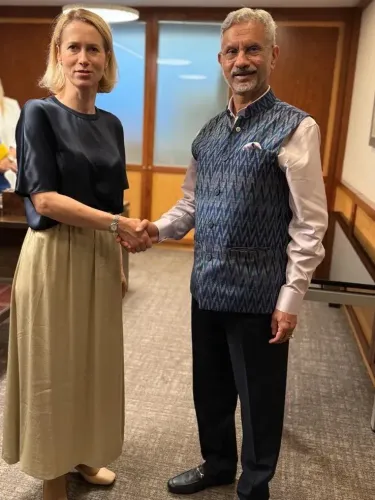
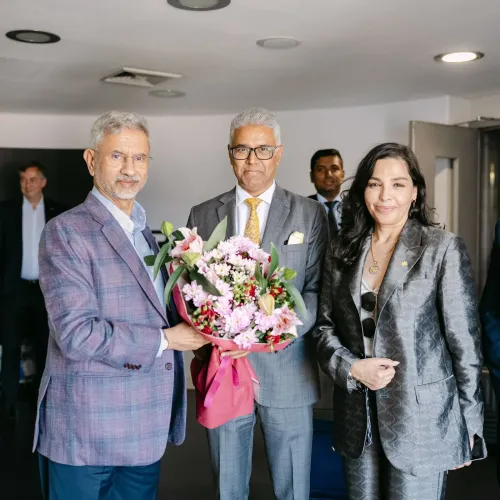
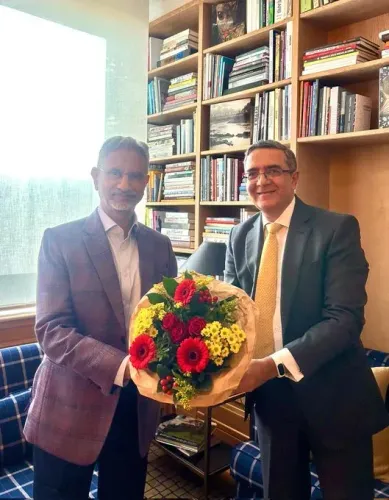
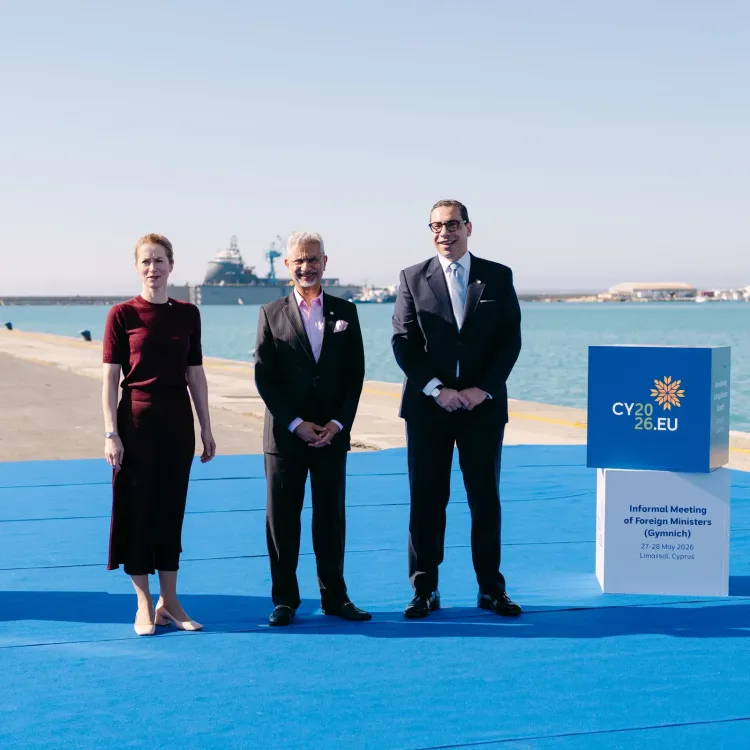
Union External Affairs Minister Dr. S. Jaishankar attended the informal Gymnich meeting of European Union Foreign Affairs Ministers in Limassol, Cyprus, on Thursday, May 28, 2026, marking a notable instance of India's participation in an EU format that has traditionally been the preserve of member states and candidate countries.
Context
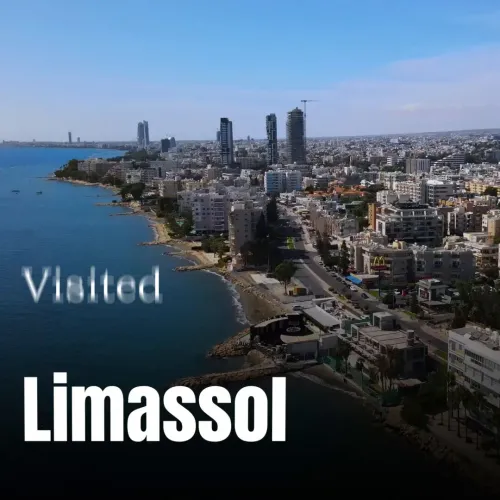
The Gymnich format is an informal gathering of EU foreign ministers held periodically outside Brussels to allow candid, off-the-record discussion without formal decisions or binding conclusions. Hosting this edition in Limassol, a major port city in Cyprus, the EU invited Dr. Jaishankar as a partner-nation minister — a signal of the deepening institutional regard for India within European diplomatic circles.
Dr. Jaishankar posted on X that it was 'great to be in Limassol' and described discussions around 'opportunities, practical collaborations and our shared interests in the emerging multipolar order,' underscoring India's consistent framing of its foreign policy around multipolarity rather than bloc alignment.
Policy Backdrop
The EU–India Strategic Partnership was formally launched at The Hague summit in 2004, establishing the institutional architecture for bilateral engagement. After a decade-long pause, negotiations on the India–EU Broad-based Trade and Investment Agreement were revived in 2022, injecting fresh momentum into economic ties.
That same year, the two sides launched the India–EU Trade and Technology Council (TTC), a dedicated mechanism to coordinate on trade, technology standards and security. The first TTC meeting was held in Brussels in May 2023, covering areas ranging from semiconductor supply chains to digital governance. Dr. Jaishankar's presence at the Gymnich meeting sits within this broader pattern of institutionalising India's engagement with the EU across multiple tracks simultaneously.
India has also sought to complement its EU-level engagement with strong bilateral ties with individual European powers — including France, Germany and Italy — as part of a diversification strategy that extends well beyond the Indo-Pacific theatre.
Stakeholders and Impact
For EU member states, India's presence at the Gymnich format reflects a shared interest in engaging large democracies that can act as stabilising forces in a fragmenting global order. For Indian trade negotiators and the technology sector, the meeting provides a high-level political signal that can unlock progress on the stalled trade agreement and deepen cooperation in critical and emerging technologies.
Civil society and business groups on both sides have long flagged market-access barriers, regulatory divergences and data-flow restrictions as the principal stumbling blocks in the trade talks. A Gymnich-level conversation, while informal, can help generate the political will needed to bridge these gaps at the technical level.
What's Next
Attention will now turn to the next formal India–EU summit and whether the Limassol discussions translate into measurable progress on the revived trade agreement negotiations. The TTC provides a standing platform to operationalise any political commitments that emerge. With both sides publicly invested in the idea of a rules-based multipolar order, the diplomatic cadence between New Delhi and Brussels is expected to remain high through the remainder of 2026.
Point of View
Amid stalled trade negotiations and a live Trade and Technology Council process, suggests both sides are using informal high-level contact to generate political momentum that technical negotiators alone cannot produce. If the Limassol discussions accelerate the trade agreement, this meeting could be remembered as a quiet turning point in the India–EU relationship.
NationPress
11 Oct 2026
Frequently Asked Questions
What is the Gymnich meeting and why did Jaishankar attend?
The Gymnich is an informal gathering of EU foreign ministers held outside Brussels for candid discussion without formal decisions. Dr. Jaishankar attended as a partner-nation minister, reflecting India's deepening institutional engagement with the European Union.
Where was the EU Gymnich meeting held in 2026?
The May 2026 Gymnich meeting was held in Limassol , a major port city in Cyprus .
What is the India–EU Trade and Technology Council?
The India–EU Trade and Technology Council is a bilateral mechanism launched in 2022 to coordinate cooperation on trade, technology standards and security. Its first meeting was held in Brussels in May 2023 .
What is the current status of India–EU trade agreement talks?
Negotiations on the India–EU Broad-based Trade and Investment Agreement were revived in 2022 after a decade-long pause, though key sticking points around market access and regulatory standards remain under discussion.
What did Jaishankar say at the Limassol Gymnich meeting?
Dr. Jaishankar said the India–EU partnership 'continues to deepen across a wide range of domains' and that discussions covered 'opportunities, practical collaborations and our shared interests in the emerging multipolar order.'