Jaishankar meets Wang Yi in Manila, says India-China ties gradually normalising
Synopsis
Jaishankar and Wang Yi met in Manila on the sidelines of the East Asia Summit — the latest signal that India-China ties are moving, however cautiously, away from the deep freeze of 2020. Border peace, trade imbalances, and people-to-people links are all on the table, but the Kazan momentum is holding.
Key Takeaways
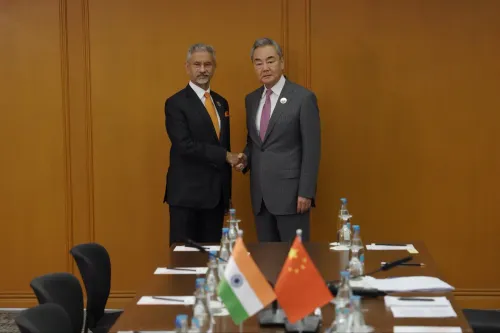
Jaishankar met Chinese FM Wang Yi in Manila on 22 July on the sidelines of the East Asia Summit and ASEAN Regional Forum .
Jaishankar said India-China ties have been 'gradually normalizing' since the Modi-Xi Kazan summit of October 2024 , with further affirmation at their Tianjin meeting.
Border peace and tranquillity described as the 'pre-requisite for normal ties'; both sides committed to sustained engagement.
Positive steps cited include resumption of direct flights , Kailash Manasarovar Yatra , and border trade .
Outstanding concerns include fair market access , trade balance , supply chain issues, and people-to-people exchanges.
Jaishankar appreciated China's support for BRICS activities during India's chairship .
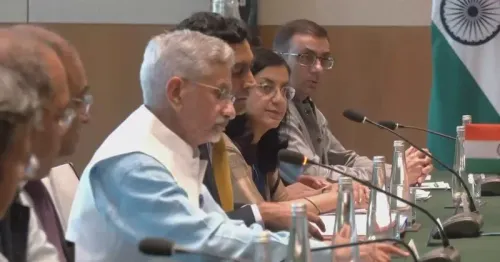
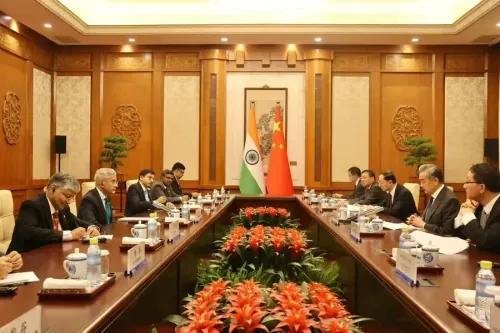
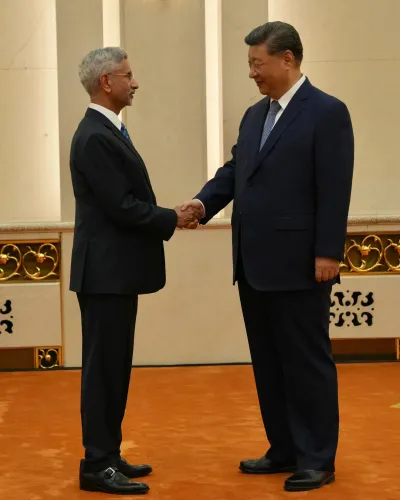
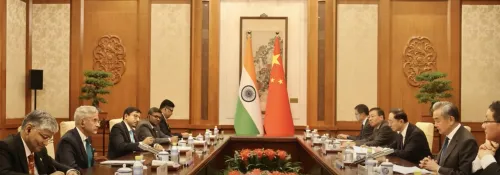
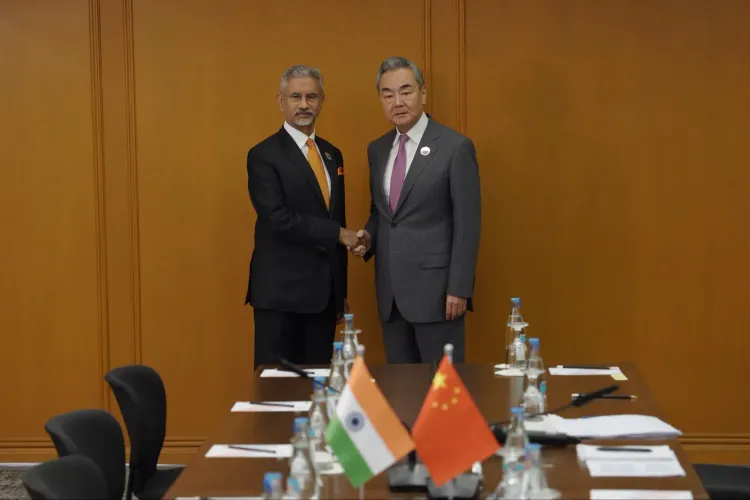
External Affairs Minister S. Jaishankar held a wide-ranging bilateral meeting with Chinese Foreign Minister Wang Yi in Manila, Philippines, on the sidelines of the East Asia Summit (EAS) and the ASEAN Regional Forum on 22 July, covering bilateral relations, border stability, and key regional and global developments.
Ties Normalising Since Kazan
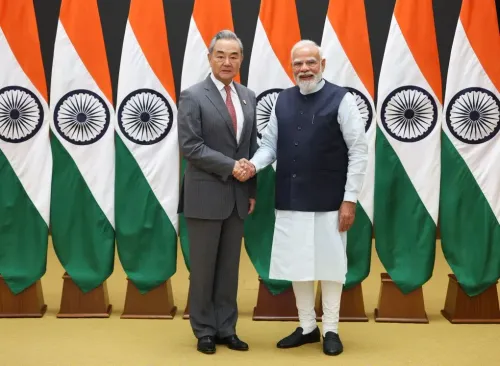
Jaishankar underscored that India-China relations have been on a gradual path to normalisation following the summit between Prime Minister Narendra Modi and Chinese President Xi Jinping in Kazan in October 2024. 'Since the meeting of our leaders in Kazan in October 2024, relations between India and China have been gradually normalizing. This direction was further affirmed when they met in Tianjin last August,' he said. The Manila meeting is the latest in a series of high-level diplomatic engagements that have steadily rebuilt the bilateral framework after years of strain following the 2020 Galwan Valley standoff.
Border Stability Remains Central
On the border question — long the most sensitive fault line in the relationship — Jaishankar was unequivocal. 'Peace and tranquility in the border areas is obviously the pre-requisite for normal ties. Since October 2024, both sides have engaged to ensure that important objective. This will continue to need our constant attention,' he said. He added that the two governments had agreed, at the leadership level, that 'differences should not become disputes,' placing the onus squarely on diplomacy to manage friction points.
Steps Taken, Issues Remaining
Jaishankar welcomed a range of normalisation measures already in motion, including the resumption of direct flights, updated visa arrangements, the restarting of the Kailash Manasarovar Yatra, and the recommencement of border trade. However, he flagged that several concerns still required attention: fair market access, the trade balance, supply chain vulnerabilities, and the facilitation of both official and people-to-people exchanges. The trade imbalance in particular — where India runs a substantial deficit with China — has been a persistent irritant in economic diplomacy.
Broader Framework: Multipolarity and BRICS
The EAM articulated a broader strategic vision, arguing that a stable India-China relationship 'should be built on mutual respect, mutual interest and mutual sensitivity,' and that such a relationship 'can make a valuable contribution to a multi-polar Asia and a multi-polar world.' He also appreciated China's support for BRICS activities during India's chairship of the grouping, signalling that multilateral cooperation remains a functional channel even as bilateral sensitivities persist.
What Comes Next
The Manila talks reinforce the diplomatic momentum built since Kazan, but the road ahead involves resolving structural economic asymmetries and sustaining border-area calm. Both sides are expected to continue working-level engagements through established diplomatic mechanisms. With India chairing BRICS and both nations navigating a volatile global order, the pressure to keep this relationship on a stable footing is unlikely to ease.
Point of View
But it is not merely symbolic — each high-level contact since Kazan has added a small brick to a relationship that was structurally broken after 2020. What is notable is what Jaishankar chose to raise publicly: market access, trade balance, and supply chains. These are economic grievances that India has historically been reluctant to press this explicitly in a bilateral setting with China. The border calm is real but fragile; the economic asymmetry is structural. Normalisation that addresses only the military dimension while leaving the trade deficit untouched will have a short shelf life. The harder work begins after the photo opportunity.
NationPress
22 Jul 2026
Frequently Asked Questions
Where and when did Jaishankar meet Wang Yi?
EAM S. Jaishankar met Chinese FM Wang Yi in Manila, Philippines, on 22 July, on the sidelines of the East Asia Summit and the ASEAN Regional Forum. The meeting covered bilateral relations, border stability, and regional and global developments.
What did Jaishankar say about the state of India-China relations?
Jaishankar said relations have been 'gradually normalizing' since the Modi-Xi summit in Kazan in October 2024, with the Tianjin meeting further affirming that direction. He stressed that a stable relationship must be built on mutual respect, mutual interest, and mutual sensitivity.
What is the status of the India-China border issue?
Jaishankar described peace and tranquillity in border areas as the 'pre-requisite for normal ties' and said both sides have been engaged since October 2024 to maintain that objective. He reiterated the leadership-level agreement that differences should not become disputes.
What normalisation steps between India and China have already been taken?
Steps already underway include the resumption of direct flights, updated visa arrangements, the restarting of the Kailash Manasarovar Yatra, and the recommencement of border trade. However, Jaishankar flagged that market access, trade balance, supply chain concerns, and people-to-people exchanges still need attention.
What is the significance of the Manila meeting in the broader India-China context?
The Manila talks are the latest in a series of high-level engagements rebuilding the bilateral framework after the 2020 Galwan Valley standoff. With India chairing BRICS and both nations navigating a volatile global order, sustained diplomatic contact is seen as essential to keeping the relationship stable.