CM Assam: Minister Bimal Borah Leads 2 AM Flood Relief in Sivasagar
Synopsis
The Chief Minister's Office of Assam has highlighted Minister Bimal Borah's overnight flood relief work in Sivasagar, with officials conducting ground operations as late as 2 AM to assist residents hit by monsoon flooding.
Key Takeaways
The Chief Minister's Office of Assam posted on 22 July 2026 about active flood relief operations in Sivasagar district.
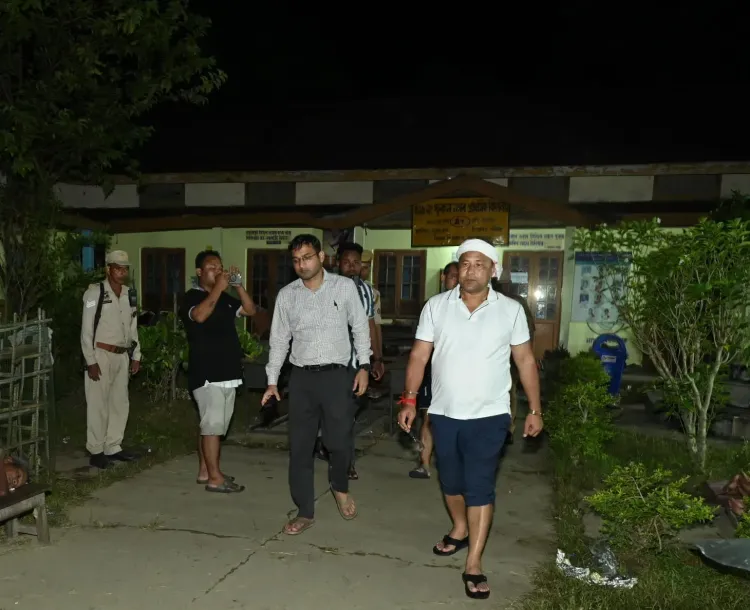
Cabinet minister Bimal Borah and officials have been conducting ground-level relief work, including visits recorded at 2 AM .
Sivasagar is a flood-prone upper Assam district affected annually by the Brahmaputra and Dikhow river systems.
The relief effort is part of Assam's standard monsoon disaster response under the State Disaster Management Authority framework.
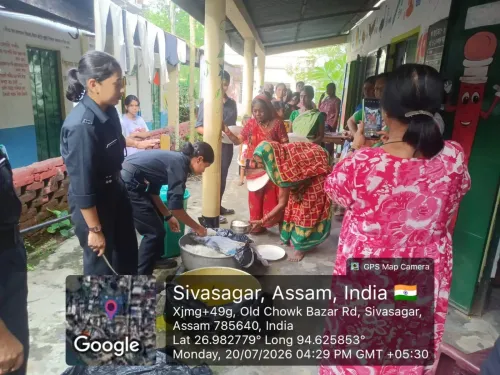
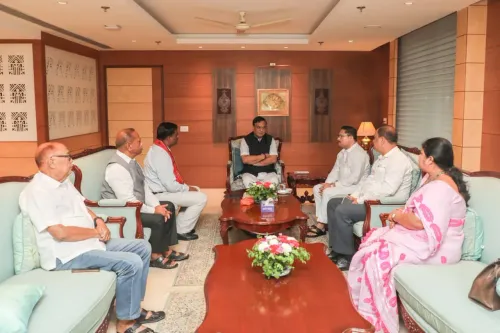
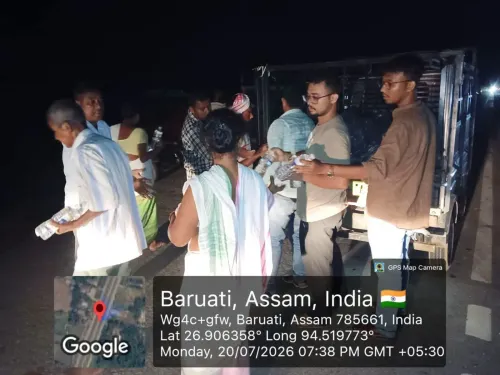
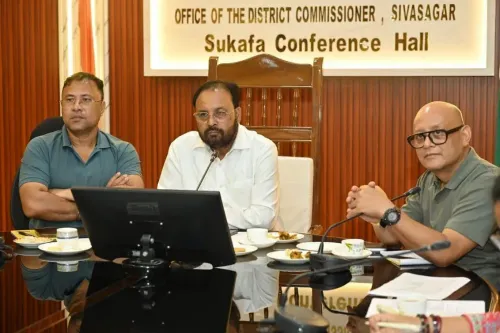
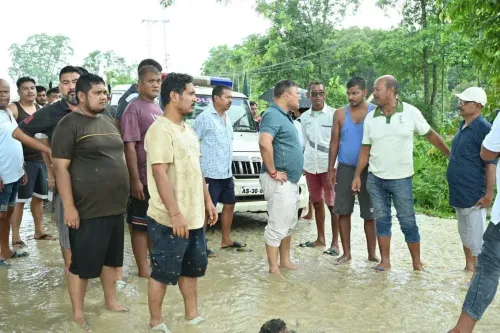
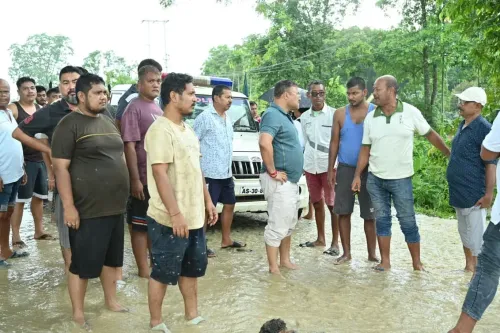
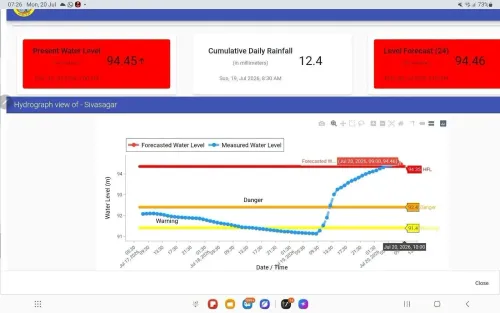
The official post was accompanied by 4 photographs documenting the on-ground relief activities.
Further updates on flood scale and relief measures from the Assam government are expected as the monsoon season continues.
The Chief Minister's Office of Assam on Wednesday, 22 July 2026, shared that cabinet minister Shri Bimal Borah, accompanied by officials, has been conducting flood relief operations in Sivasagar district — including ground-level visits as late as 2 AM — to assist residents affected by the ongoing monsoon flooding.
Context
Sivasagar, a district in upper Assam, faces recurrent flooding every monsoon season due to its proximity to the Brahmaputra and Dikhow river systems. The district is home to significant Ahom-era heritage and a large rural population that bears the brunt of seasonal inundation. This year's flooding has prompted the state government to deploy ministers directly to affected areas.
The Chief Minister's Office posted images of the relief effort, underlining the administration's intent to signal active, on-ground governance during the crisis. The post described the work as 'relentless flood relief efforts' carried out to 'help people in this difficult situation.'
Policy Backdrop
Assam has long operated under a framework of annual monsoon disaster response, with the State Disaster Management Authority (SDMA) coordinating relief deployments across flood-prone districts. Ministerial visits to affected zones are a standard component of this response architecture, serving both administrative and public-reassurance functions.
The Chief Minister's Office has a consistent practice of documenting such visits on official social media channels, making relief work visible to the public in real time. The 2 AM timestamp in this post is notable — it signals that relief coordination is being sustained through the night rather than confined to daylight hours.
Stakeholders and Impact
The primary stakeholders are flood-affected residents of Sivasagar district, who depend on timely state intervention for evacuation support, food, medical aid, and shelter. Rural communities near riverine areas are typically the most vulnerable during peak monsoon months.
Minister Bimal Borah's presence alongside district officials suggests a coordinated administrative response rather than a purely symbolic visit. For affected families, direct ministerial engagement can accelerate on-the-ground decision-making and resource allocation.
What's Next
The Assam government is expected to issue further updates on the scale of flooding across the state and any additional relief measures being mobilised. Monsoon flooding in Assam typically peaks between June and August, meaning the relief operation in Sivasagar is likely to continue in the days ahead.
Sustained night-time deployments by senior ministers indicate the administration is treating this as an active emergency. Citizens and relief organisations will be watching for official damage assessments and announcements on compensation or rehabilitation packages under state and central disaster relief norms.
Point of View
A recurring motif in Indian state-level disaster governance. Assam's annual flood cycle has long tested the credibility of successive governments, making visible ministerial presence a political as much as an administrative necessity. The use of official social media to document night-time relief work reflects a broader shift in how Indian state governments manage crisis optics in real time. Whether such visibility translates into sustained structural investment in flood mitigation for Sivasagar and upper Assam remains the harder, longer-term question.
NationPress
22 Jul 2026
Frequently Asked Questions
Why is Sivasagar flooding in 2026?
Sivasagar district in upper Assam experiences flooding almost every monsoon season due to overflow from the Brahmaputra and Dikhow river systems. The 2026 monsoon has continued this pattern, prompting state government relief deployments.
Who is Bimal Borah in the Assam government?
Bimal Borah is a cabinet minister in the Government of Assam who is regularly involved in public service activities and has been highlighted by the Chief Minister's Office for leading flood relief operations in Sivasagar.
What is the Assam government doing for flood relief in Sivasagar?
According to the Chief Minister's Office, Minister Bimal Borah and government officials are conducting relentless on-ground flood relief efforts in Sivasagar, including overnight operations recorded as late as 2 AM.
How does Assam manage flood relief every year?
Assam manages monsoon flooding through its State Disaster Management Authority, which coordinates ministerial visits, relief camps, food distribution, and evacuation support across flood-affected districts including Sivasagar every year.
Is Sivasagar badly affected by floods every year?
Yes, Sivasagar is among the districts in upper Assam that face recurring annual flooding due to its proximity to major river systems. The district's rural communities are particularly vulnerable during peak monsoon months from June to August.