CM Himanta Orders Flood Relief Across Assam Districts
Synopsis
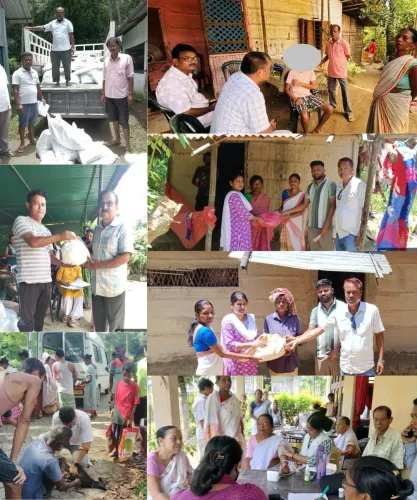
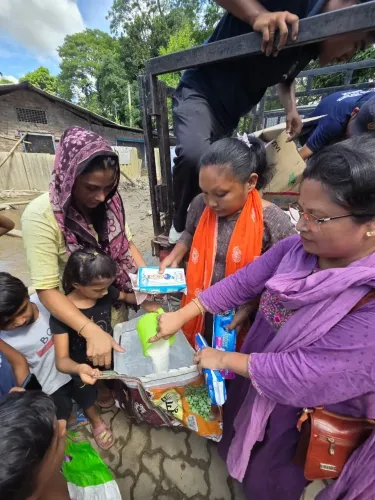
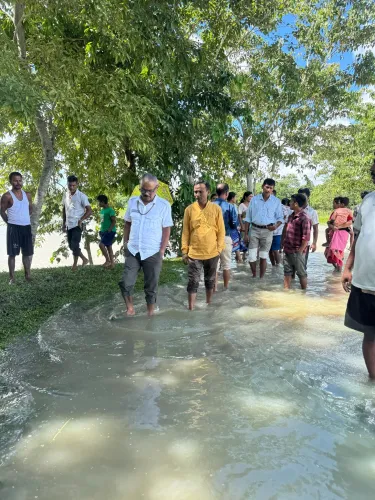
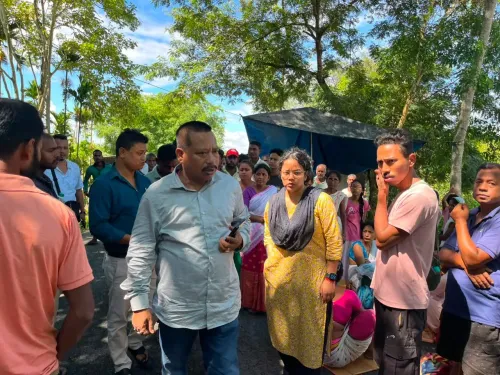
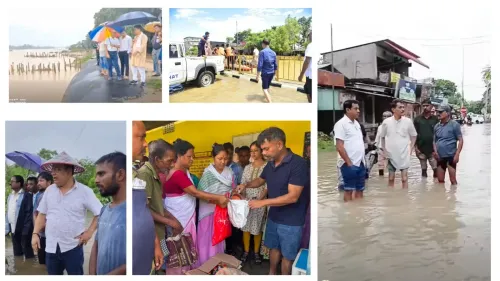
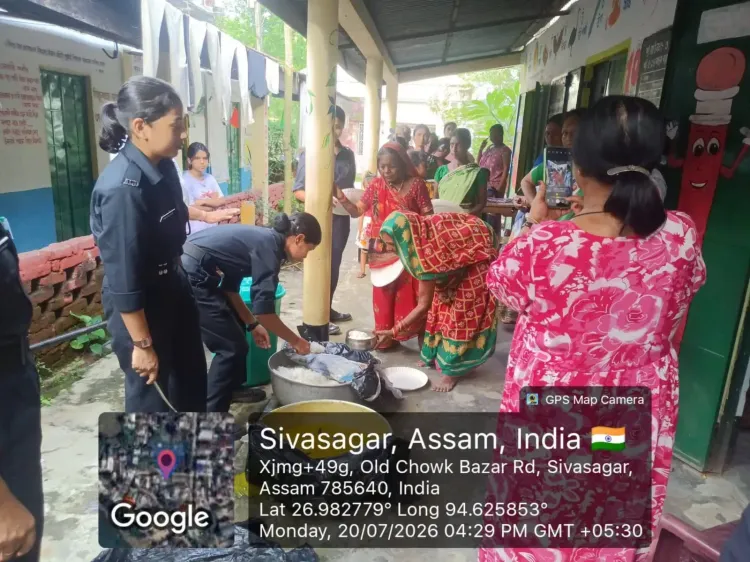
The Chief Minister's Office of Assam confirmed on 21 July 2026 that flood relief operations are running at full pace across Sivasagar, Jorhat, Charaideo and other affected districts on CM Himanta Biswa Sarma's orders, with drinking water, food packets and cattle feed being delivered to residents and livestock owners.
Key Takeaways
The Chief Minister's Office of Assam confirmed active flood relief operations on 21 July 2026 .
Operations are under way in Sivasagar , Jorhat , Charaideo and other flood-hit districts.
Relief materials include drinking water , food packets and cattle feed for both people and livestock.
All agencies are described as coordinating on the ground for rescue, relief and rehabilitation.
Operations are directed by Chief Minister Dr.
Himanta Biswa Sarma .
The response draws on the framework of the Assam State Disaster Management Authority , set up under the Disaster Management Act, 2005 .
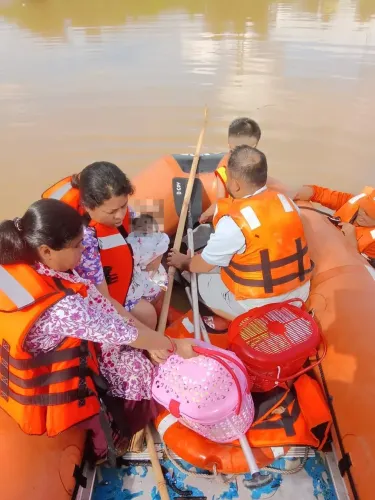
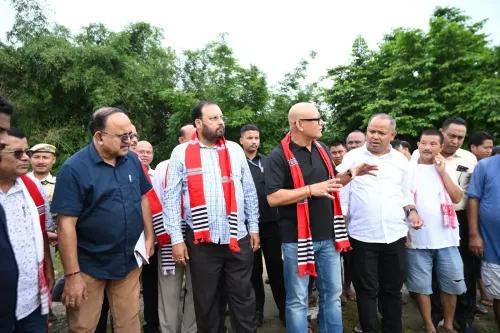
The Chief Minister's Office of Assam announced on Tuesday, 21 July 2026 that relief operations are under way at full pace across Sivasagar, Jorhat, Charaideo and other flood-affected districts of the state, acting on the directions of Chief Minister Dr. Himanta Biswa Sarma.
Context
The CMO's post confirmed that essential relief materials — including drinking water, food packets and cattle feed — are being delivered continuously to affected communities. The explicit mention of cattle feed alongside human provisions reflects the deeply agrarian character of upper Assam's districts, where livestock represent critical household assets for farming families.
All agencies involved in rescue, relief and rehabilitation have been described as remaining 'on the ground, working in close coordination' to provide timely assistance to every affected resident.
Policy Backdrop
Assam's flood response framework is anchored in the Assam State Disaster Management Authority (ASDMA), established in 2007 under the Disaster Management Act, 2005, which coordinates rescue, relief and rehabilitation across the state's river-prone districts. The authority works in tandem with central bodies such as the National Disaster Response Force (NDRF) and the State Disaster Response Force (SDRF) during major inundation events.
In 2019–20, the Assam government launched the Assam Integrated River Basin Management Project with World Bank support, aimed at addressing the recurring cycle of Brahmaputra flooding and riverbank erosion that displaces thousands of families annually. Sivasagar, Jorhat and Charaideo — all located within the Brahmaputra river system's upper basin — are among the districts that experience recurrent inundation each monsoon season.
Stakeholders and Impact
Flood-affected residents across the three named districts and surrounding areas are the immediate beneficiaries of the ongoing operations. The multi-pronged relief effort — covering potable water, food and animal feed — signals that authorities are addressing both humanitarian and livelihood dimensions of the crisis.
Livestock owners in the region stand to benefit from the cattle feed component of the relief, given that the loss of draught animals and dairy cattle during floods can set agrarian households back by months of income. The coordinated multi-agency presence on the ground is intended to close gaps in coverage and prevent delays in assistance reaching remote communities.
What's Next
With monsoon season typically persisting through September, relief operations across affected Assam districts are expected to continue for several weeks. Longer-term attention will turn to rehabilitation packages for displaced families and any new embankment or dredging tenders the state government may table in the upcoming assembly session.
The government's emphasis on real-time coordination across agencies suggests that progress updates from the ground are likely to follow as the situation develops across upper Assam.
Point of View
Reinforcing his image as a hands-on administrator. The explicit inclusion of cattle feed in the relief inventory is a politically astute acknowledgment of the agrarian voter base in upper Assam's flood belt. Assam's flood problem is structurally unresolved — embankment breaches and Brahmaputra encroachment return every monsoon — meaning relief operations remain a high-visibility but reactive tool rather than a structural fix. The broader policy arc will be tested when the government moves from immediate relief to rehabilitation spending and longer-term river management commitments.
NationPress
20 Oct 2026
Frequently Asked Questions
Which districts in Assam are affected by floods in July 2026?
The Chief Minister's Office confirmed that Sivasagar , Jorhat and Charaideo are among the flood-affected districts in Assam as of 21 July 2026 , along with other areas of the state.
What relief materials are being distributed in Assam flood areas?
Authorities are distributing drinking water , food packets and cattle feed to affected communities, covering both human needs and the livestock that many farming households depend on.
Who is overseeing Assam flood relief operations?
Relief operations are being carried out on the directions of Chief Minister Dr. Himanta Biswa Sarma , with all agencies coordinating on the ground for rescue, relief and rehabilitation.
What is the Assam State Disaster Management Authority?
The Assam State Disaster Management Authority (ASDMA) was established in 2007 under the Disaster Management Act, 2005 to coordinate flood rescue, relief and rehabilitation across the state.
Why does Assam flood every year?
Assam experiences annual monsoon flooding primarily due to the Brahmaputra and Barak river systems overflowing their banks, causing widespread displacement, crop loss and infrastructure damage across dozens of districts each year.