Ebola cases hit 550 in Congo as outbreak trend stays upward
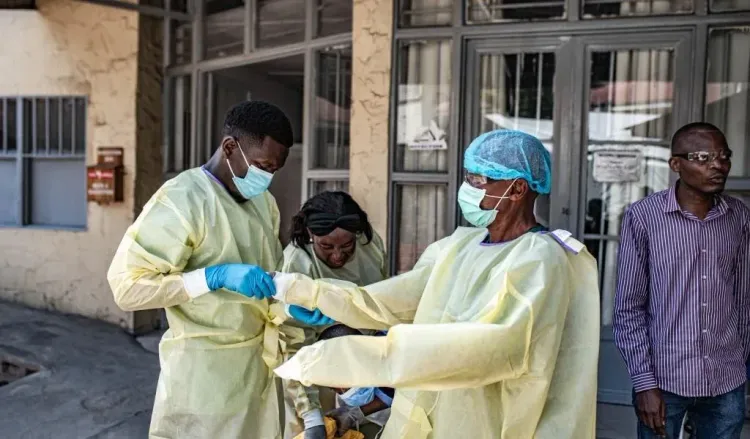
Synopsis
DR Congo's Ebola toll has reached 550 confirmed cases and 101 deaths, with health officials warning the apparent dip in the epidemic curve is a data artefact — not a real slowdown. A reagent shortage in North Kivu is leaving 183 test results pending, meaning the true scale of the outbreak may be larger than official numbers suggest.
Key Takeaways
Confirmed Ebola cases in the DRC have risen to 550 , with 101 deaths , as of 9 June .
35 new cases and 10 deaths were recorded on Sunday in Ituri and North Kivu .
Contact follow-up stands at 64.4% — well below the 95% containment target.
A reagent shortage in North Kivu has left 183 test results pending, risking undercounting.
The outbreak, caused by the Bundibugyo strain , was declared on 15 May by the DRC Health Ministry .
The three affected provinces have a combined population of nearly 15 million and face large-scale displacement.
The confirmed Ebola case count in the Democratic Republic of the Congo (DRC) has climbed to 550, with 101 deaths recorded, as health authorities warn the outbreak continues on an upward trajectory. The update, released on Monday, 9 June, offers little reassurance: a recent dip in the epidemic curve is attributed to delayed laboratory reporting rather than any genuine slowdown in transmission.
Latest Case Data
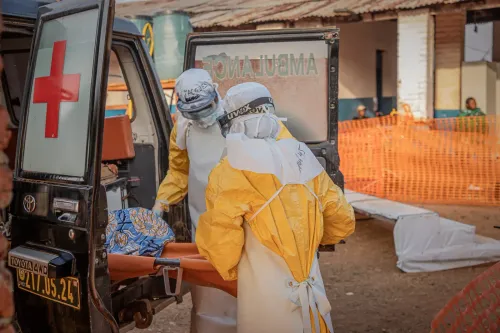
On Sunday, health officials recorded 35 new confirmed cases and 10 additional deaths across the eastern provinces of Ituri and North Kivu. Seven patients recovered, raising the total recoveries to 19. As of Sunday, 309 people were in isolation or hospitalised — 116 confirmed cases and 193 suspected cases.
Contact Tracing Falls Short of Target
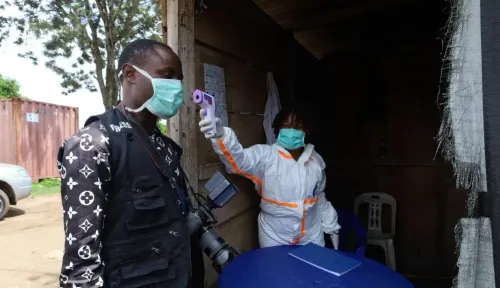
Contact follow-up across the three affected provinces — Ituri, North Kivu, and South Kivu — reached 64.4%, with 5,418 contacts under follow-up and 3,489 seen. The rate remains well below the 95% target considered necessary for effective outbreak containment. Laboratory capacity in North Kivu is under strain, with 183 test results pending due to a shortage of reagents — a gap that risks undercounting active cases.
The Bundibugyo Strain and Why It Matters
The current outbreak is caused by the Bundibugyo strain of the Ebola virus, officially declared by the DRC Health Ministry on 15 May. The Bundibugyo variant is less common than the Zaire strain responsible for several previous large outbreaks, but it can still cause severe illness and death. Ebola disease is caused by orthoebolaviruses — members of the filoviridae family — and was first identified in 1976 in near-simultaneous outbreaks in what is now the DRC and South Sudan.
Humanitarian Context Amplifies Risk
The three affected provinces have a combined population of nearly 15 million people and are marked by massive internal displacement and active cross-border movement toward neighbouring countries. This humanitarian complexity significantly complicates containment efforts, making the 95% contact-tracing target harder to achieve and raising the risk of cross-border spread. This is not the DRC's first encounter with Ebola — the country has recorded more outbreaks than any other nation, making it the world's most experienced — and most burdened — frontline.
What Health Authorities Are Watching
Officials caution that the apparent plateau in the epidemic curve should not be interpreted as a turning point. The reagent shortage in North Kivu means confirmed case counts may be artificially suppressed, and the real transmission picture could be worse than reported. Sustained improvement in contact-tracing rates and restoration of full laboratory capacity will be the key indicators to watch in the coming days.
Point of View
The DRC is effectively chasing a fire with a garden hose. The reagent shortage compounding this in North Kivu is a systemic failure, not a supply blip, and it means the 550 figure is likely an undercount. The Bundibugyo strain's relative rarity also limits the institutional muscle memory that responders built during Zaire-strain outbreaks. With 15 million people in affected provinces and active cross-border movement, the window for containment is narrowing faster than the official numbers suggest.
NationPress
19 Sept 2026
Frequently Asked Questions
How many Ebola cases have been confirmed in the DRC as of 9 June?
As of 9 June, the DRC has confirmed 550 Ebola cases, including 101 deaths and 19 recoveries. The outbreak was declared on 15 May and continues on an upward weekly trend.
Which strain of Ebola is causing the current DRC outbreak?
The current outbreak is caused by the Bundibugyo strain of the Ebola virus, which is less common than the Zaire strain responsible for several previous large outbreaks. It can still cause severe illness and death.
Why is contact tracing a concern in this outbreak?
The contact follow-up rate across the three affected provinces stands at 64.4%, well below the 95% target required for effective containment. Of 5,418 contacts under follow-up, only 3,489 were reached as of Sunday.
What is causing the laboratory backlog in North Kivu?
A shortage of reagents has left 183 test results pending in North Kivu, putting laboratory capacity under pressure. Officials have warned this may cause confirmed case counts to understate the true scale of transmission.
Which provinces are affected and why is containment difficult?
Ituri, North Kivu, and South Kivu are the three affected provinces, with a combined population of nearly 15 million. Massive internal displacement and cross-border movement toward neighbouring countries significantly complicate containment efforts.