Ebola cases cross 500 in DR Congo as spread warning issued
Synopsis
The DRC's Ebola tally has crossed 500 confirmed cases, with two distinct transmission waves identified and contact tracing running at barely half the required rate. With 193 test results pending due to a reagent shortage and community resistance hampering response, the health ministry's own warning is stark: without rapid intervention, the numbers will rise.
Key Takeaways
Confirmed Ebola cases in the DRC have reached 515 , including 91 deaths and 12 recoveries , as of 6 June .
Two transmission clusters identified: one peaking on 18 May , a second spanning 25 May to 3 June .
Contact tracing rate stands at 50.3% across three affected provinces, against a target of 95% .
193 test results are pending in North Kivu due to a reagent shortage.
The outbreak is caused by the Bundibugyo strain , declared officially on 15 May .
Response is hampered by funding gaps, community resistance, and shortages of treatment and prevention materials.
The confirmed Ebola case count in the Democratic Republic of the Congo (DRC) has climbed to 515, with 91 deaths recorded, as the country's health authorities cautioned that transmission is ongoing and that case numbers could rise sharply without swift containment measures. The update was published on Sunday by the DRC health ministry, based on data as of 6 June.
Current Case Breakdown
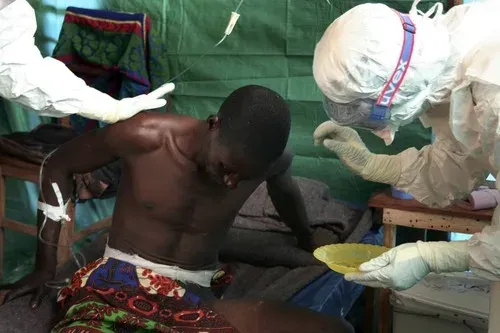
Of the total confirmed cases, 283 patients remain in isolation or hospitalisation, while 12 recoveries have been recorded — three of them declared on Sunday. An additional 117 suspected cases are under investigation. Separately, 193 test results remain pending in North Kivu province due to a reagent shortage, placing further strain on an already stretched laboratory system.
Two Waves of Transmission Identified
The health ministry's report identified two distinct clusters of infections. A large group of confirmed patients developed symptoms between 14 May and 23 May, indicating, according to the report, 'increased contamination from a probable common source,' with a peak recorded on 18 May. A second group developed symptoms between 25 May and 3 June, which the ministry described as 'demonstrating the spread of the disease' and possibly forming 'an important reservoir.'
Response Gaps and Structural Challenges
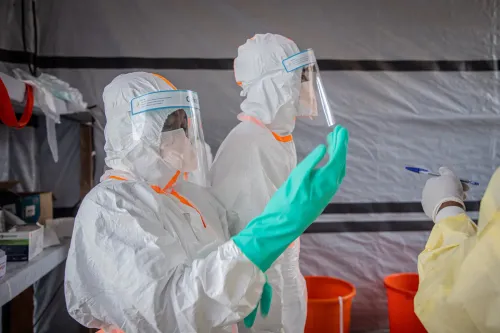
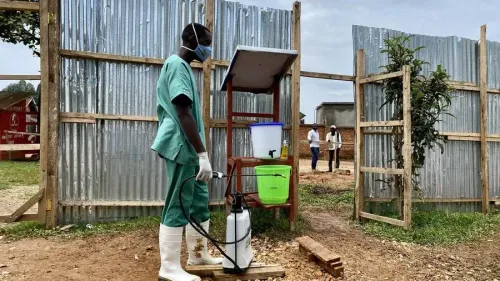
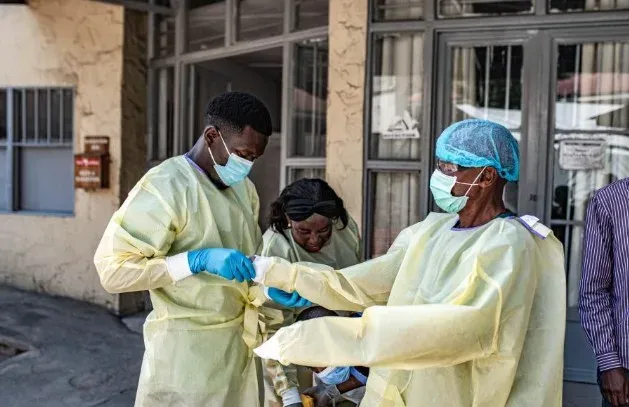
The outbreak response faces multiple critical gaps. The ministry's report cited weak contact tracing, community resistance to post-mortem testing, insufficient capacity at standardised Ebola treatment centres, shortages of infection prevention and control materials, and limited funding as key obstacles. The overall contact follow-up rate across three affected provinces stands at just 50.3 per cent — far below the 95 per cent target considered necessary for effective outbreak control.
About the Outbreak
The current outbreak is caused by the Bundibugyo strain of the Ebola virus, which was officially declared by the DRC health ministry on 15 May. The Bundibugyo strain, first identified in Uganda in 2007, generally carries a lower case fatality rate than the more common Zaire strain, though it remains a serious public health threat. This is among the larger outbreaks the DRC — the country most frequently affected by Ebola globally — has faced in recent years.
What Comes Next
'An increase in cases may be recorded if adequate measures are not put in place very quickly,' the ministry warned in its report. Health officials and international partners are under pressure to accelerate contact tracing coverage, replenish reagent stocks, and address community hesitancy before the outbreak expands further.
Point of View
And the recurring pattern of reagent shortages, underfunding, and community resistance points to a systemic response deficit rather than a one-off logistics problem. The identification of a second transmission cluster within days of the first suggests the window for containment is narrowing. International health bodies need to move beyond statements of concern and into emergency resource deployment before the case count forces a global health emergency declaration.
NationPress
23 Oct 2026
Frequently Asked Questions
How many Ebola cases have been confirmed in DR Congo?
As of 6 June, the DRC health ministry has confirmed 515 Ebola cases, including 91 deaths and 12 recoveries. A further 117 suspected cases are under investigation.
What strain of Ebola is causing the current DRC outbreak?
The outbreak is caused by the Bundibugyo strain of the Ebola virus, which was officially declared by the DRC health ministry on 15 May. The Bundibugyo strain was first identified in Uganda in 2007 and generally has a lower fatality rate than the Zaire strain.
Why is the Ebola outbreak in DRC difficult to contain?
The response faces several critical challenges: contact tracing coverage is at just 50.3% against a 95% target, there are shortages of treatment materials and funding, laboratory capacity is under strain due to a reagent shortage, and communities have resisted post-mortem testing. These factors together are slowing the identification and isolation of new cases.
Which provinces in DR Congo are affected by the Ebola outbreak?
Three provinces are currently affected, though the report does not name all of them individually. North Kivu province is specifically mentioned as facing a reagent shortage that has left 193 test results pending.
Could Ebola cases in DRC increase further?
Yes, according to the DRC health ministry's own report, which warned that 'an increase in cases may be recorded if adequate measures are not put in place very quickly.' The identification of a second transmission cluster between 25 May and 3 June has raised concerns about ongoing community spread.