Egypt sees path to US-Iran deal, cites $20 billion canal loss
Synopsis
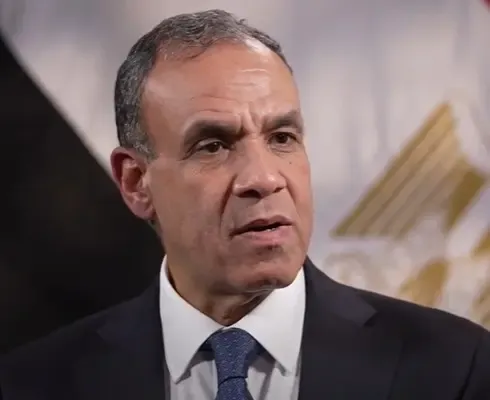
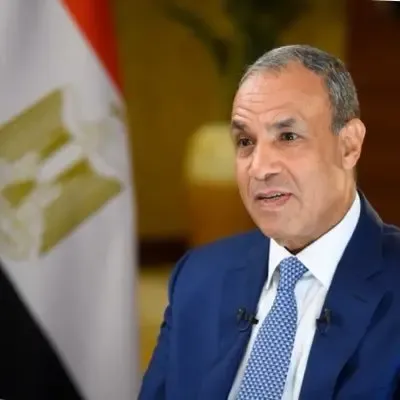
Egypt’s foreign minister says regional tensions have cost the Suez Canal $20 billion, as Cairo works with Qatar to bring the United States and Iran back to talks. Badr Abdelatty sees a possible path to a deal, but announced no agreement or date for negotiations.
Key Takeaways
Foreign Minister Badr Abdelatty said Egypt sees a possible path to a deal between the United States and Iran .
Abdelatty said regional tensions had cost the Suez Canal $20 billion in revenue.
Egypt is coordinating daily with Qatar to bring Washington and Tehran back to negotiations, the minister said.
Abdelatty announced no agreement, date for renewed talks or commitments accepted by either side.
On Gaza , he said Palestinian factions had agreed to hand over heavy and light weapons, but did not say a handover had occurred.
Abdelatty said the stated minimum of 600 aid trucks entering Gaza had not been achieved.
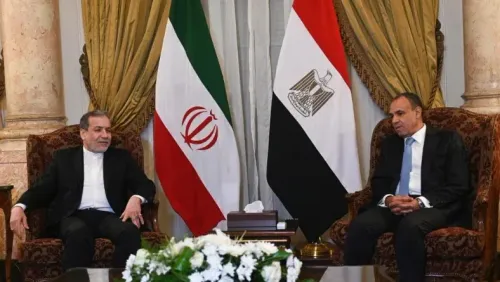
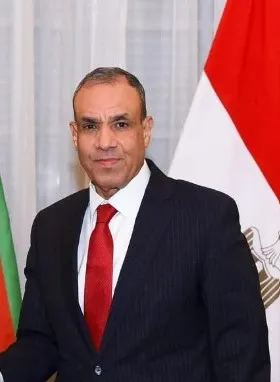
Egypt sees a path to a deal between the United States and Iran, Foreign Minister Badr Abdelatty said on Sunday, while warning that regional tensions had cost the Suez Canal $20 billion in revenue. He said Cairo was working with regional partners to rebuild trust and bring the two countries back to negotiations.
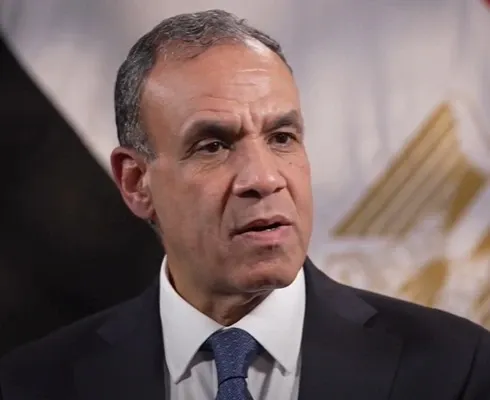
In an interview with CNN’s Fareed Zakaria GPS, Abdelatty said the economic effects of continued conflict had spread across the Middle East, raising the prices of oil, gas and wheat. “Egypt is paying a heavy price,” he said.
Egypt and Qatar pursue renewed talks
Abdelatty said Egypt was coordinating daily with Qatar to bring Washington and Tehran back to the negotiating table. He identified a lack of mutual trust as an obstacle and said countries involved in the diplomatic effort were working on confidence-building measures.
“I believe that there is a possibility for dialog, for reaching a deal, for reaching a compromise,” he said. Asked whether he saw a path to an agreement, he replied: “Yes. And we are hopeful for that.”
The minister argued that both the United States and Iran had an interest in an accommodation. He also warned that a military approach could cause further devastation across the region.
His remarks pointed to continuing diplomatic efforts, but he did not announce an agreement, a date for renewed talks or commitments accepted by either side. The distinction leaves the proposed confidence-building effort separate from any confirmed breakthrough.
Suez Canal losses and household costs
Abdelatty put the loss of Suez Canal revenue from regional tensions at $20 billion. The canal links the Mediterranean Sea and the Red Sea, giving ships travelling between Europe and Asia a route that avoids the longer journey around southern Africa.
The minister said the economic consequences extended beyond the Gulf countries to other regional economies. For Egypt, he said, higher food and energy prices were adding to the effect of lost canal earnings.
Abdelatty framed the issue as one of affordability as well as availability: essential goods may be present, but people must also be able to pay for them. He cited these pressures among the reasons Cairo was promoting diplomacy and peaceful solutions.
Gaza peace plan and weapons claim
In a separate exchange about Gaza, Abdelatty called for a return to President Donald Trump’s peace plan, describing it as “the only game in town now.”
He said Egypt, Turkey and Qatar had persuaded Palestinian factions, including Hamas, to agree to hand over heavy and light weapons. He accused Israel of failing to respond positively.
That was the minister’s account of the mediation effort; he did not say a weapons handover had been completed. His comments therefore described an agreement to hand over weapons, not a confirmed transfer.
Aid access and outstanding steps
Abdelatty also accused Israel of obstructing humanitarian assistance and said the first phase of the peace plan had not been fully implemented. He asserted that the stated minimum of 600 aid trucks entering Gaza had not been achieved.
His comments left separate questions about the progress of the Gaza plan and the prospect of renewed US-Iran talks. The next step in the latter effort remains unannounced, with no date for negotiations disclosed.
Point of View
Through both trade routes and household prices. The reported $20 billion canal loss deserves a clear accounting, including the period over which it accrued. Diplomatic optimism should not be mistaken for an agreement: the meaningful test is whether Washington and Tehran return to talks with commitments they can verify. On Gaza, claims about weapons and aid access likewise require transparent, independent confirmation.
NationPress
23 Nov 2026
Frequently Asked Questions
What did Egypt say about a US-Iran deal?
Foreign Minister Badr Abdelatty said Egypt sees a possibility of dialogue and a deal between the United States and Iran. He did not announce an agreement or a date for renewed talks.
How much has Egypt said the Suez Canal lost?
Abdelatty said regional tensions had cost the Suez Canal $20 billion in revenue. He also said oil, gas and wheat prices had risen.
What role is Qatar playing in US-Iran talks?
Egypt is coordinating daily with Qatar to bring Washington and Tehran back to negotiations, according to Abdelatty. He said the countries involved were working on confidence-building measures.
What did Abdelatty say about weapons in Gaza?
Abdelatty said Egypt, Turkey and Qatar persuaded Palestinian factions, including Hamas, to agree to hand over heavy and light weapons. He did not say the handover had been completed.
What did Egypt say about aid entering Gaza?
Abdelatty said the stated minimum of 600 aid trucks entering Gaza had not been achieved. He accused Israel of obstructing humanitarian assistance and said the first phase of the peace plan had not been fully implemented.