Sisi, Macron meet in Egypt to discuss Gaza, Iran-US tensions
Synopsis
Egyptian President Sisi and French President Macron held bilateral talks in Egypt on 10 May, focusing on Iran-US tensions, Gaza's humanitarian crisis, and Lebanon's stability — as Cairo and Doha simultaneously urged Washington and Tehran to choose diplomacy over escalation.
Key Takeaways
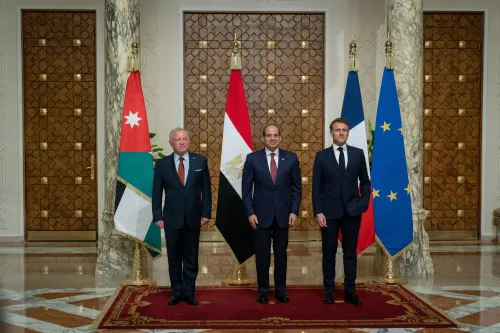
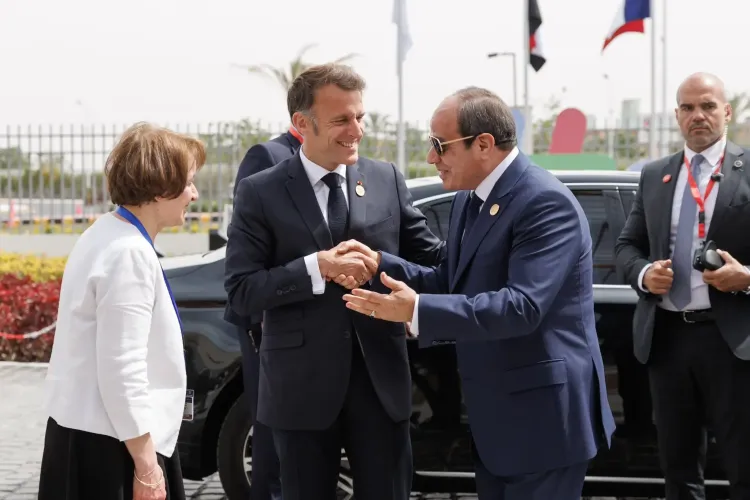
Egyptian President Abdel-Fattah al-Sisi and French President Emmanuel Macron met in New Borg El-Arab City, Egypt on 10 May 2025 .
Talks covered escalating Iran-US tensions , the Gaza humanitarian crisis , and stability in Lebanon .
Sisi stressed Egypt's rejection of any infringement on Arab nations' sovereignty or natural resources.
Macron called for a swift resolution to regional crises to restore peace in the Middle East .
Egyptian FM Badr Abdelatty and Qatari PM Sheikh Mohammed bin Abdulrahman Al-Thani urged the US and Iran to prioritise diplomacy and the ongoing negotiation process.
Egyptian President Abdel-Fattah al-Sisi and French President Emmanuel Macron met in Egypt on Saturday, 10 May to discuss escalating regional tensions linked to Iran and the United States, the humanitarian crisis in the Gaza Strip, and the situation in Lebanon. The meeting underscored growing international concern over the Middle East's deteriorating security landscape.
Where and Why They Met
The bilateral talks took place on the sidelines of the inauguration ceremony for the new headquarters of Senghor University, a French-speaking international institution, in New Borg El-Arab City, north of Cairo, according to a statement from the Egyptian Presidency. The venue itself reflected the broader Franco-Egyptian cultural and diplomatic ties that frame the two nations' engagement.
Key Positions on Regional Tensions
During the talks, President Sisi reviewed Egypt's ongoing efforts to contain current regional tensions, stressing the need to shield the region from further escalation and instability. He cited the adverse impacts of regional unrest on global security, supply chains, trade, and transportation. Sisi also reiterated Egypt's steadfast position in upholding the security and stability of fellow Arab nations, underscoring Cairo's categorical rejection of any infringement upon their sovereignty or their peoples' natural resources.
For his part, President Macron voiced his hope for a swift resolution to the ongoing regional crises in a manner that restores peace and stability to the Middle East. The two leaders also agreed on the critical need to maintain peace and stability in Lebanon, a country that has faced compounding political and economic pressures in recent years.
Egypt and Qatar Urge Diplomatic Path for Iran-US Talks
Separately, Egyptian Foreign Minister Badr Abdelatty and Qatari Prime Minister and Minister of Foreign Affairs Sheikh Mohammed bin Abdulrahman Jassim Al-Thani urged both Washington and Tehran to adopt positions characterised by
Point of View
A role it has historically leveraged for diplomatic capital. The parallel Cairo-Doha phone call, urging both Washington and Tehran toward 'responsibility and wisdom', signals a coordinated Arab diplomatic effort to prevent a wider conflagration. Whether these appeals translate into concrete de-escalation steps, however, remains the central unanswered question.
NationPress
12 May 2026
Frequently Asked Questions
What did Sisi and Macron discuss during their meeting in Egypt?
The two leaders discussed escalating regional tensions linked to Iran and the United States, the humanitarian crisis in Gaza, and the need to maintain peace and stability in Lebanon. They also explored ways to strengthen cooperation among Mediterranean nations.
Where did the Sisi-Macron meeting take place?
The meeting took place on 10 May 2025 in New Borg El-Arab City, north of Cairo, on the sidelines of the inauguration of the new headquarters of Senghor University, a French-speaking international institution.
What is Egypt's position on the Iran-US tensions?
Egypt has called for containing regional tensions and shielding the area from further escalation, citing its negative impact on global security, supply chains, and trade. Cairo has also stressed its rejection of any infringement on Arab nations' sovereignty.
What did Egypt and Qatar urge regarding Iran-US negotiations?
Egyptian Foreign Minister Badr Abdelatty and Qatari Prime Minister Sheikh Mohammed bin Abdulrahman Al-Thani urged both the US and Iran to adopt positions of 'responsibility' and 'wisdom', calling for full reliance on diplomacy to settle disputes and support the ongoing negotiation process.
Why is the Middle East situation considered critical at this time?
The region is facing simultaneous pressures including escalating Iran-US tensions, the ongoing humanitarian crisis in Gaza, and political instability in Lebanon. Regional leaders warn that further escalation could harm global supply chains, trade, and broader international security.