Emergency rule in KP hands Asim Munir grip over mineral-rich province

Synopsis
Pakistan's emergency rule in KP is not just a security measure — according to officials and analysts, it is the army's most direct move yet to seize control of the province's mineral wealth. With PTI's elected government sidelined and a Munir-aligned Governor now empowered to oversee mines and troop deployment, the move consolidates military economic influence in a region long resentful of resource extraction without local benefit.
Key Takeaways
Pakistan's federal government has imposed emergency rule across Khyber Pakhtunkhwa (KP) and authorised military deployment in the province.
Army Chief Field Marshal Asim Munir reportedly drove the decision despite initial resistance from the federal civilian government.
KP Chief Minister Sohail Afridi and the PTI had opposed direct army control over the province's mines and mineral resources.
Governor Faisal Karim Kundi , seen as a close Munir ally, now holds authority over troop deployment and mineral resource management in KP.
Officials warn the move risks emboldening insurgent groups in the region, who may escalate attacks against the establishment.
Residents allege mineral revenues are historically diverted to Islamabad , Karachi , and Rawalpindi rather than benefiting the people of KP.
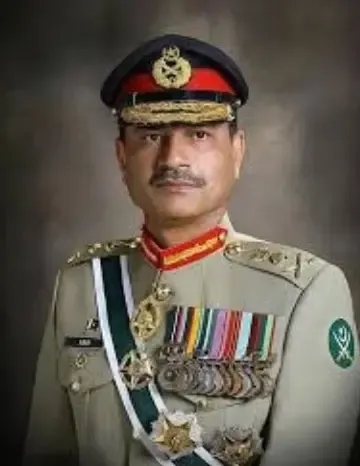
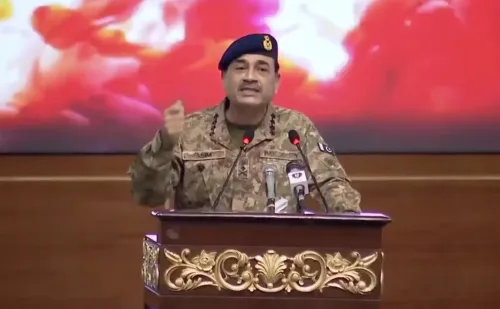
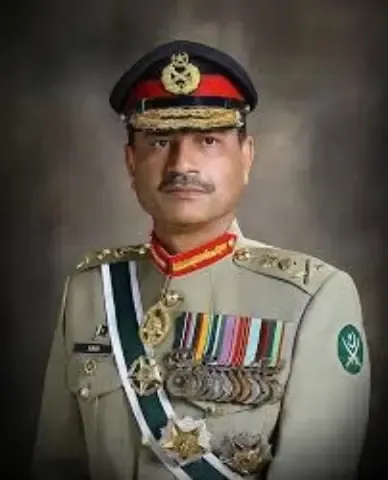
Pakistan's federal government has imposed emergency rule across Khyber Pakhtunkhwa (KP) and authorised military deployment in the province, a move analysts describe as a calculated bid by Army Chief Field Marshal Asim Munir to wrest control over the region's administration — and its considerable mineral wealth — from the Pakistan Tehreek-e-Insaf (PTI) provincial government.
How Emergency Rule Was Imposed
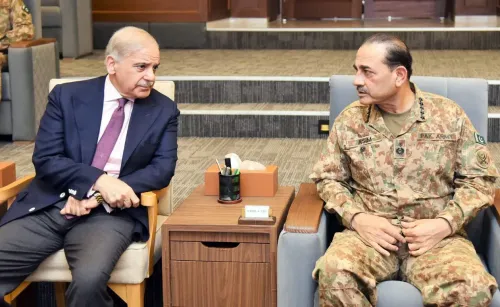
Islamabad officially cited a deteriorating law-and-order situation and the provincial government's alleged failure to cooperate with federal counter-terrorism operations as the basis for the decision. However, Pakistan observers say the move was, in practice, driven by sustained pressure from Field Marshal Asim Munir, with the federal civilian government initially reluctant to proceed. According to officials familiar with the deliberations, there was considerable back-and-forth before Munir's position ultimately prevailed, leaving the federal government with little political room to resist.
The Mineral Wealth at Stake
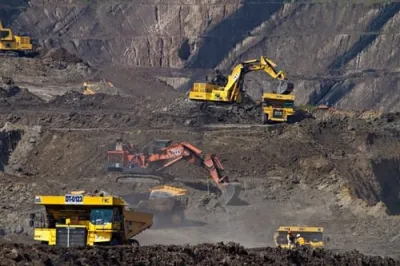
The province of Khyber Pakhtunkhwa sits atop significant mineral reserves, and control over those resources has been a persistent flashpoint between the army establishment and the elected PTI provincial government. KP Chief Minister and PTI leader Sohail Afridi had openly opposed direct army control over the region's mines and minerals. Officials say the PTI administration's resistance to army involvement in the mining sector had become a 'critical obstacle' for the establishment.
'This had become an obstacle for the army, and it was unable to go about its business. Imposing an emergency and Governor's rule while also authorising the deployment of the army ensures that the establishment has a field day with no opposition when it comes to the mines and minerals,' an official said.
A separate official attributed Munir's uncompromising position to two factors: first, a desire to bring a PTI-governed region — led by the party of his political adversary Imran Khan — under army influence; and second, an intent to exercise complete control over the region's mineral extraction. 'Munir seeks complete control over the region and is prepared to deploy the full might of the army to exploit its rich mineral resources,' the official said.
Governor Kundi's Role and PTI's Opposition
With emergency rule in place, the Governor of KP, Faisal Karim Kundi, acquires sweeping powers — including authority over decisions on troop deployment and the management of mines and mineral resources. Kundi is widely regarded as a close ally of Asim Munir, and the PTI has strongly opposed his appointment, describing it as illegitimate, unconstitutional, and politically motivated. Acting on Munir's instructions, Kundi is now expected to serve as the primary decision-maker on the ground in KP.
A widespread grievance among residents of the province is that revenues from mineral extraction, once routed through army-aligned channels, tend to be diverted to Islamabad, Karachi, and Rawalpindi rather than reinvested locally. 'The proceeds are diverted to Islamabad, Karachi and Rawalpindi, allowing the powerful to benefit from the region's wealth while its people continue to remain underprivileged,' an official said.
Risks and Potential Blowback
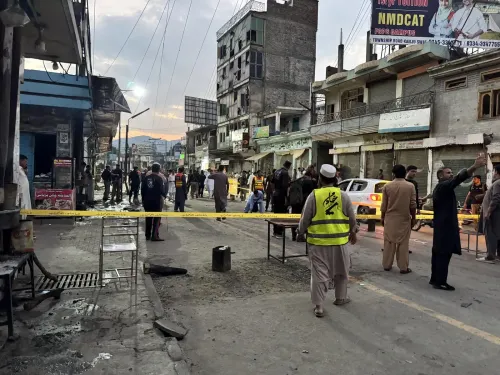
Observers caution that the move carries significant risks. This comes amid already elevated insurgent activity across KP, where armed groups have long exploited grievances over resource extraction and federal neglect. Officials warn that a heavy-handed army presence focused on mineral control could galvanise insurgent recruitment and intensify attacks on military and government installations. 'The army would look to take complete control over the mines and minerals. However, this would empower the insurgent groups in the region, who would step up their attacks on the establishment,' one official said.
Notably, this is not the first time that PTI's hold over KP has been a point of friction with the military establishment — but the imposition of emergency rule marks a significant escalation. Whether the army's bet on direct control delivers economic gains without triggering a deeper security crisis will be closely watched in the weeks ahead.
Point of View
With the army using a governance pretext to outflank an elected government that refused to cede mining access. The appointment of a loyalist Governor as the new power centre is a textbook institutional manoeuvre — but it carries the seeds of its own failure. Historically, heavy military economic footprints in resource-contested zones across Pakistan's frontier have fuelled rather than suppressed insurgencies. If mineral revenues continue to bypass the province's population, the establishment may find that it has secured the mines while losing the region.
NationPress
12 Oct 2026
Frequently Asked Questions
Why has emergency rule been imposed in Khyber Pakhtunkhwa?
The federal government of Pakistan has officially cited deteriorating law and order and the provincial government's failure to cooperate with counter-terrorism operations as the reasons for imposing emergency rule in KP. However, analysts and officials say the underlying driver was sustained pressure from Army Chief Field Marshal Asim Munir, who sought to sideline the PTI-led provincial government and gain control over the region's mineral resources.
What role does Asim Munir play in the KP emergency?
Field Marshal Asim Munir is reported to be the principal architect of the decision, having pushed for emergency rule despite initial reluctance from the federal civilian government. Officials say Munir's dual objectives were to neutralise PTI's governance in KP — the party founded by his political adversary Imran Khan — and to secure army access to the province's mineral wealth.
Who is Governor Faisal Karim Kundi and why does he matter?
Faisal Karim Kundi is the Governor of KP and is widely regarded as a close ally of Army Chief Asim Munir. Under emergency rule, Kundi now holds authority over decisions related to troop deployment and the management of mines and mineral resources in the province, effectively making him the army's key instrument for controlling KP's affairs.
What has PTI said about the emergency rule in KP?
The PTI has strongly opposed the emergency, with Chief Minister Sohail Afridi specifically objecting to direct army control over KP's mines and minerals. The party has also described Governor Kundi's appointment as illegitimate, unconstitutional, and politically motivated.
What are the risks of imposing emergency rule in KP?
Officials warn that army-driven control over mineral resources could embolden insurgent groups already active in KP, who are likely to intensify attacks on military and government targets. There is also a longstanding local grievance that mineral revenues extracted from the province are diverted to Islamabad, Karachi, and Rawalpindi rather than benefiting KP's residents, a dynamic the emergency is unlikely to change.