EU Dublin summit: AI gigafactories, €500bn plan and Ukraine peace team agreed
Synopsis
The EU's Dublin summit delivered two headline outcomes on 14 November: a €500bn-plus AI investment drive anchored by seven gigafactories, and a unified European negotiating team — EU institutions plus Britain, France, Germany, Italy and Poland — for Ukraine peace talks. Both moves signal a Brussels determined to act at scale, but the financing gaps and diplomatic complexities are formidable.
Key Takeaways
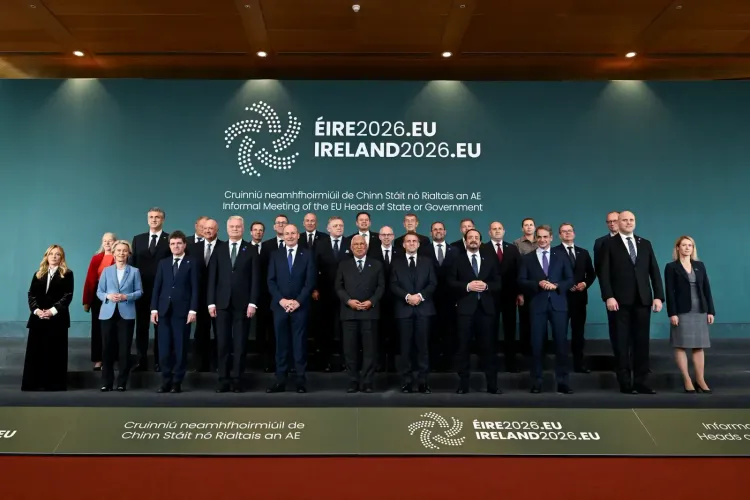
EU leaders met informally in Dublin on 14 November 2026 , hosted by Irish PM Micheal Martin , for the first in-depth EU discussion on AI strategy.
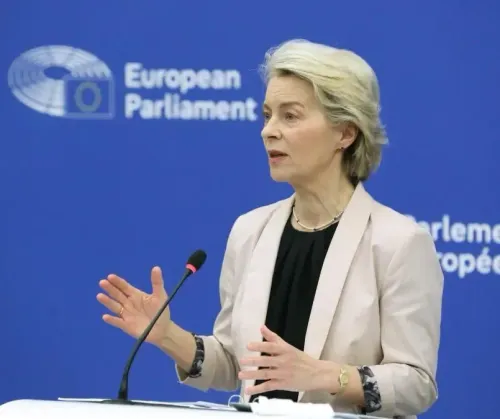
European Commission President Ursula von der Leyen announced plans for seven AI gigafactories , with €30 billion to be mobilised for computing infrastructure.
Von der Leyen estimated Europe needs at least €500 billion in total investment to achieve technological sovereignty.
French President Emmanuel Macron and Dutch PM Rob Jetten will host a 'Tech Creators' summit in Paris on 2 December 2026 .
EU institutions and the E5 (Britain, France, Germany, Italy, Poland) agreed to form a unified negotiating team for Ukraine peace talks .
The Commission will propose a 22nd package of Russia sanctions and a Ukraine 2027 financing plan before the European Council meeting on 26-27 November .
European Union leaders wrapped up an informal summit in Dublin on 14 November 2026, pledging deeper investment in artificial intelligence and forming a unified European negotiating team for Ukraine peace talks. The gathering, hosted by Irish Prime Minister Micheal Martin, marked the first dedicated EU leaders' discussion on AI strategy, covering technological development, economic competitiveness, and the societal risks of rapidly evolving AI systems.
Europe's AI Ambitions: Gigafactories and a €500bn Target
European Commission President Ursula von der Leyen outlined plans for seven AI gigafactories across the continent, with approximately €30 billion (around $33.07 billion) expected to be mobilised for computing infrastructure to advance AI models. She estimated that Europe would require at least €500 billion ($551.10 billion) in total investment to meet its broader technological sovereignty ambitions, pledging to table a detailed financing proposal at the bloc's next meeting.
European Council President Antonio Costa said the EU needed to accelerate AI adoption, reduce critical dependencies on non-European suppliers, and unlock greater public and private capital. He pointed to the proposed European Competitiveness Fund within the EU's next long-term budget as the central vehicle for these efforts.
Macron's Push for a European Tech Ecosystem
French President Emmanuel Macron announced that he and Dutch Prime Minister Rob Jetten would co-host a gathering of European technology leaders — branded 'Tech Creators' — in Paris on 2 December to deepen cooperation and bolster the continent's technological independence. In a post on social media platform X, Macron called for faster decision-making and greater investment, arguing that European AI companies must have access to computing power, capital, and customers within Europe itself.
The Dublin discussions also examined AI safety and its broader societal impact. Costa emphasised the need for robust supervision and international governance cooperation, noting that the EU would revisit the issue in February 2027 and would make AI's social impact a central theme of its 2027 Social Summit.
A Unified European Voice on Ukraine
The Ukraine conflict featured prominently in Dublin's agenda amid intensifying diplomatic activity. On Friday afternoon, Costa announced that EU institutions and five European countries from the Coalition of the Willing — Britain, France, Germany, Italy and Poland, collectively known as the E5 — would form a single negotiating team representing Europe in any peace process. Costa stressed that Europe must speak with 'one clear and united voice' in Ukraine talks.
Von der Leyen welcomed the formation of the joint team, confirming it would comprise the European Council, the European Commission, and the E5. This marks a notable diplomatic alignment, with the bloc seeking to consolidate its position as a credible party in any eventual negotiations.
Sanctions, Financing and What Comes Next
On further support for Ukraine, Costa said EU leaders would address the country's financing requirements for 2026 and beyond at the forthcoming European Council meeting on 26-27 November. Von der Leyen added that the Commission would propose its 22nd package of sanctions against Russia, along with a plan to close Ukraine's 2027 financing gap, ahead of that meeting.
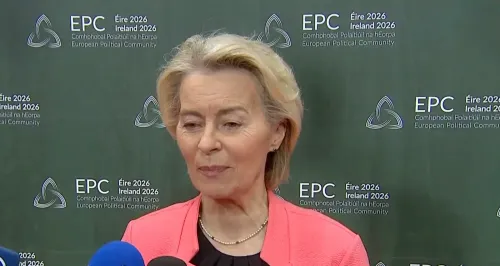
Friday's informal summit followed the ninth European Political Community summit, also held in Dublin on Thursday, where leaders from across the continent discussed regional security, economic competitiveness, and conflict resolution efforts. With the EU's long-term budget negotiations accelerating and the Ukraine war demanding sustained engagement, the bloc's agenda into early 2027 looks crowded and consequential.
Point of View
But the EU has a well-worn habit of announcing large investment targets that subsequently depend on member-state follow-through — and member states rarely deliver in unison. The AI gigafactory plan is more concrete, yet seven facilities spread across a 27-nation bloc risks fragmentation over integration. On Ukraine, the E5-plus-EU team is a meaningful diplomatic signal, but Britain's inclusion raises questions about post-Brexit coordination mechanics that Brussels has not publicly resolved. The real test on both fronts comes at the November 26-27 European Council, where ambition meets budget arithmetic.
NationPress
14 Nov 2026
Frequently Asked Questions
What was agreed at the EU Dublin summit on AI?
EU leaders agreed to pursue seven AI gigafactories across Europe, backed by approximately €30 billion in mobilised investment for computing infrastructure. Commission President von der Leyen also set a broader target of at least €500 billion in investment to advance Europe's technological sovereignty, with a detailed financing proposal to follow at the next EU meeting.
Who will represent Europe in Ukraine peace negotiations?
European Council President Costa announced that EU institutions — the European Council and the European Commission — along with the E5 countries (Britain, France, Germany, Italy and Poland) will form a unified negotiating team for Ukraine peace talks. Costa stressed that Europe must speak with 'one clear and united voice.'
What is the EU's next step on Ukraine financing and Russia sanctions?
The EU's financing needs for Ukraine in 2026 and beyond will be discussed at the European Council meeting on 26-27 November 2026. The European Commission will also propose a 22nd package of sanctions against Russia and a plan to address Ukraine's 2027 financing gap before that meeting.
What is the 'Tech Creators' meeting announced by Macron?
French President Macron and Dutch Prime Minister Jetten will host a summit of European technology leaders, branded 'Tech Creators,' in Paris on 2 December 2026. The event is aimed at strengthening cooperation and boosting Europe's technological independence, with a focus on ensuring European AI firms have access to computing power, capital, and customers within Europe.
When will the EU revisit AI governance and societal impact?
European Council President Costa said the EU would revisit AI governance and international cooperation in February 2027, and that the bloc's 2027 Social Summit will make AI's impact on society a central theme.