EU budget summit: Merz, Babis resist 2028-34 plan, Ukraine aid
Synopsis
Europe's budget fight has turned into a fight over Ukraine. Germany's Merz says even a reduced 1.58-trillion-Euro cap is too high. The Czech Republic's Babis wants Kyiv's funding negotiated separately. Meanwhile, a 45-billion-Euro loan meant to cover two-thirds of Ukraine's 2027 gap hangs in the balance.
Key Takeaways
EU leaders opened a two-day summit in Brussels on 26 November 2026 on the 2028-2034 budget and Ukraine funding.
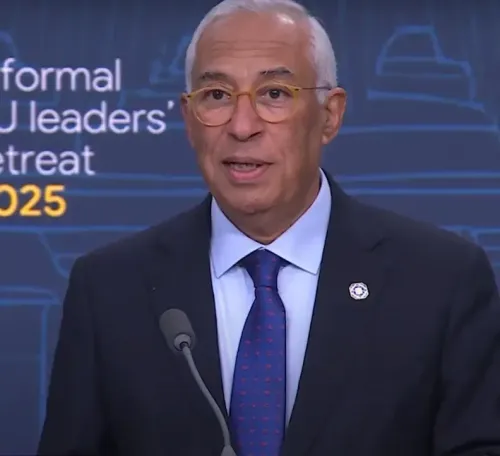
Council President Antonio Costa proposed capping spending at 1.58 trillion Euros , down from the Commission's original proposal of nearly two trillion Euros .
The Commission proposed a loan of up to 45 billion Euros to Ukraine, on top of a 90-billion-Euro programme for 2026-27.
Czech PM Andrej Babis called the budget plan “absolutely unacceptable” and wants Ukraine financing negotiated separately.
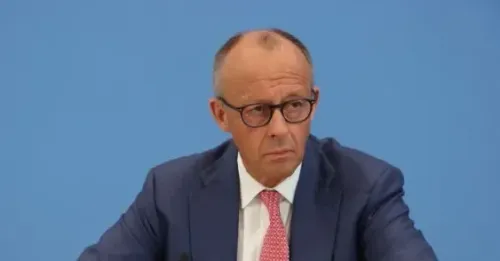
German Chancellor Friedrich Merz said the proposals are “no basis for a deal” because the overall figure is still too high.
European Union (EU) leaders opened a two-day summit in Brussels on Thursday, 26 November 2026, to debate a smaller seven-year budget for 2028-2034 and how to close Ukraine's funding gap next year. On the table is a proposal from European Council President Antonio Costa to cap spending commitments at 1.58 trillion Euros (about 1.74 trillion dollars). German Chancellor Friedrich Merz and Czech Prime Minister Andrej Babis both pushed back as the talks began.
Key Developments at the Brussels Summit
The European Commission first proposed a budget of nearly two trillion Euros (2.19 trillion US dollars) for 2028-2034 in July last year. In October, leaders failed to agree on a compromise put forward by Ireland, which holds the EU's rotating presidency.
Several member states have since called for a smaller budget with more focus on competitiveness and defence. Costa's proposal, which leaders are discussing this week, sets the cap well below the Commission's original figure, according to reports.
The Ukraine Financing Question
The Commission has proposed lending Ukraine up to 45 billion Euros (49.38 billion dollars), backed by the EU budget. This loan would add to the EU's existing 90-billion-Euro (98.76-billion-dollar) loan programme for 2026 and 2027.
If approved, the new loan would cover nearly two-thirds of Ukraine's remaining funding gap next year. The official summit agenda lists both the next long-term budget and Ukraine's financing needs for 2027 as priorities.
Czech Republic Opposes Linking the Two Issues
Babis said on Thursday that Ukraine's financing “should be negotiated separately” from the EU's next long-term budget, The Guardian reported. This was not the first time he has raised the objection.
On Monday, Babis met Visegrad Group leaders and Austrian Chancellor Christian Stocker in Bratislava. There, he called the latest budget proposal “absolutely unacceptable” for the Czech Republic, according to a Czech government statement. Before the meeting, he said the proposal gave too small a share of the budget to member states.
In a letter to Costa, which the Czech government published on 10 November, Babis argued that a deal on future Ukraine financing should not be a condition for adopting the long-term budget. He wrote that Ukraine needs predictable and sustainable support. He also said the EU should keep the ability to set and finance its own long-term priorities.
Germany Says the Figure Is Still Too High
Merz said the proposed seven-year budget is still too large to win Germany's backing. He called for budget talks to address how all 27 member states could share the cost of supporting Ukraine.
“The proposals on the table so far are, in our view, no basis for a deal. The overall figure is still too high,” Merz told reporters as he arrived in Brussels. He added that member states have to be able to afford the budget.
What Lies Ahead
Leaders already failed to reach a deal in October, and the bloc's largest economy remains opposed to the current number. Agreement on both the budget and Ukraine aid will depend on whether Costa's cap can be cut further without alienating member states that want more money directed to national allocations.
How the two-day summit ends will show whether Europe can fund its own priorities and Kyiv's survival through the same budget, or whether it will have to split them, as Prague is demanding.
Point of View
And they want Ukraine kept afloat, yet the largest contributor says even a trimmed budget is too expensive. Merz wants Ukraine's costs shared across all 27 members, while Babis wants them removed from the budget altogether, so Kyiv's financing risks becoming a bargaining chip in a domestic-interest fight. For India and other partners watching Europe's strategic reliability, the key question is whether Brussels can fund a long war and a long-term budget at the same time, or whether one will be sacrificed for the other.
NationPress
26 Nov 2026
Frequently Asked Questions
What is the EU discussing at the November 2026 Brussels summit?
EU leaders are discussing the bloc's 2028-2034 long-term budget and how to close Ukraine's funding gap next year. A proposal from Council President Antonio Costa would cap spending commitments at 1.58 trillion Euros.
How much is the EU proposing to lend Ukraine?
The European Commission has proposed lending Ukraine up to 45 billion Euros, backed by the EU budget. It would come on top of a 90-billion-Euro loan programme for 2026 and 2027 and cover nearly two-thirds of Ukraine's remaining funding gap next year.
Why does Germany oppose the EU budget proposal?
Chancellor Friedrich Merz said the overall figure is still too high and that member states must be able to afford it. He also wants the talks to address how all 27 members share the cost of supporting Ukraine.
What is the Czech Republic's position on Ukraine funding?
Prime Minister Andrej Babis says Ukraine financing should be negotiated separately from the long-term budget. He has called the latest budget proposal 'absolutely unacceptable' for the Czech Republic.
How has the EU budget proposal changed since 2025?
The Commission originally proposed nearly two trillion Euros in July last year. After leaders rejected an Irish compromise in October, Costa's new plan caps commitments at 1.58 trillion Euros.