European Parliament condemns forced conversion of minority girls in Pakistan
Synopsis
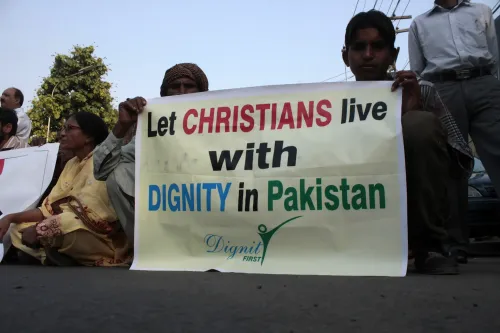
The European Parliament has formally condemned Pakistan's systemic abduction and forced conversion of minority girls — naming 13-year-old Christian girl Maria Shahbaz — and backed its case with 2025 UN data showing 75% of victims are Hindu and 25% Christian. The resolution demands independent investigations, prosecutions, and a national complaints mechanism, turning up diplomatic heat on Islamabad.
Key Takeaways
The European Parliament adopted a resolution on 10 July 2026 condemning abduction, forced conversion, and child marriage of minority girls in Pakistan .
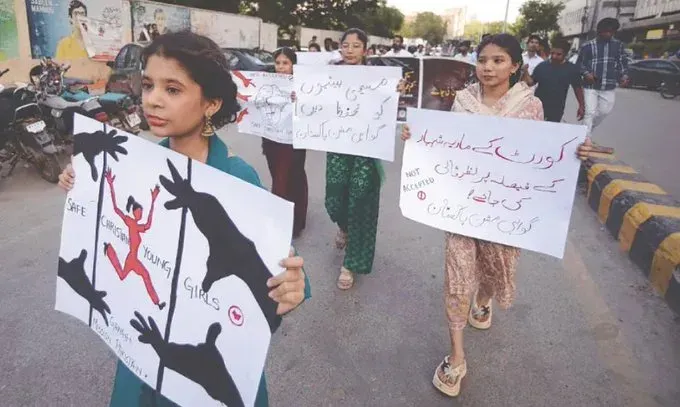
Maria Shahbaz , a 13-year-old Pakistani Christian girl abducted and forcibly married in March 2026 , is at the centre of the resolution.
According to 2025 UN figures , around 75% of forced-conversion-through-marriage victims in Pakistan are Hindu and 25% are Christian.
MEPs called for independent investigations, prosecution of perpetrators, and a national complaints mechanism for families of abducted girls.
UN experts warned in April 2026 that Pakistan had not addressed root causes, including patriarchal norms, poverty, and religious intolerance.
The European Parliament on 10 July 2026 adopted a formal resolution condemning the abduction, forced religious conversion, and child marriage of underage girls from religious minority communities in Pakistan, citing a systemic pattern of human rights violations that international bodies say continues with near-total impunity.
The Case That Triggered the Resolution
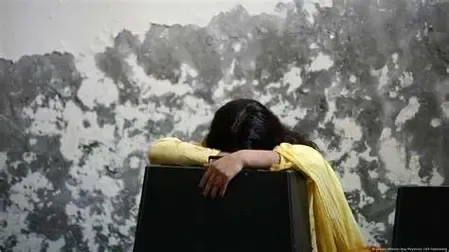
The resolution specifically highlighted the case of Maria Shahbaz, a 13-year-old Pakistani Christian girl who was reportedly abducted, converted to Islam, and forcibly married to her abductor in March 2026. Members of the European Parliament (MEPs) stressed the urgent need to ensure her access to legal representation, her family, and psychological support. The Parliament described her case as 'emblematic of broader human rights violations faced by minorities in Pakistan.'
Scale of the Problem: UN Data
Citing 2025 UN figures, the resolution noted that among women and girls in Pakistan affected by forced conversion through marriage, approximately 75 per cent were Hindu and 25 per cent were Christian. These figures underscore that the practice disproportionately targets the country's most vulnerable religious communities. The resolution comes months after UN experts in April 2026 voiced grave concern over the continued and widespread nature of such abductions, warning that a climate of impunity was fuelling the practice.
What the European Parliament Demanded
The Parliament urged Pakistan's authorities to fully implement the country's existing national framework to end child marriage — a framework already operational in some provinces — and to establish a dedicated national mechanism for handling complaints from families of abducted or forcibly converted girls. MEPs further called on the Pakistani government to ensure that all cases involving minors or allegations of coercion are investigated through transparent and independent processes.
Parliamentarians also demanded that those responsible be prosecuted, that the country's judicial framework be strengthened, and that abducted girls be facilitated in safely returning to their families.
UN Experts: Root Causes Unaddressed
Earlier this year, UN experts flagged that the Pakistani government had not taken adequate measures to address the root causes driving forced conversions through marriage. These include gender inequality rooted in patriarchal norms, poverty, social exclusion, discrimination against minorities, and religious intolerance. The experts stated that 'any change of religion or belief must be genuinely free from coercion, and marriage must be based on full and free consent, which is not legally possible when the victim is a child.' They called for freedom of religion or belief and equality to be ensured for all without discrimination.
Broader Context and What Comes Next
This is not the first time Pakistan's treatment of religious minorities has drawn formal censure from European institutions. The resolution adds fresh diplomatic pressure on Islamabad at a time when Pakistan's human rights record is under scrutiny from multiple multilateral bodies. Rights organisations have long documented the gap between Pakistan's legislative commitments — including constitutional protections for minorities — and ground-level enforcement. Whether the European Parliament's resolution translates into concrete diplomatic consequences, including potential conditions on trade or aid arrangements, remains to be seen in the weeks ahead.
Point of View
Yet the practice persists at scale. The real question is whether European diplomatic pressure will be tied to measurable outcomes, or whether this joins a long list of resolutions that produced no change on the ground.
NationPress
8 Oct 2026
Frequently Asked Questions
What did the European Parliament resolution on Pakistan say?
The European Parliament adopted a resolution on 10 July 2026 formally condemning the abduction, forced religious conversion, and child marriage of underage girls from religious minority communities in Pakistan. It called on Pakistani authorities to prosecute perpetrators, establish a national complaints mechanism, and ensure transparent investigations in all cases involving minors or coercion.
Who is Maria Shahbaz and why is her case significant?
Maria Shahbaz is a 13-year-old Pakistani Christian girl who was reportedly abducted, converted to Islam, and forcibly married to her abductor in March 2026. The European Parliament cited her case as emblematic of the broader pattern of human rights violations faced by religious minorities in Pakistan, and called for her to be given legal representation, family access, and psychological support.
How widespread is forced conversion of minority girls in Pakistan?
According to 2025 UN figures cited in the resolution, approximately 75 per cent of women and girls in Pakistan affected by forced conversion through marriage are Hindu, and 25 per cent are Christian. UN experts have warned that a climate of impunity is fuelling the practice across the country.
What specific actions did the European Parliament urge Pakistan to take?
MEPs urged Pakistan to fully implement its national framework to end child marriage, create a national mechanism for complaints from families of abducted or forcibly converted girls, prosecute those responsible, strengthen the judicial framework, and facilitate the safe return of abducted girls to their families.
What did UN experts say about Pakistan's response to forced conversions?
UN experts stated in April 2026 that Pakistan had not taken adequate measures to address the root causes of forced conversion through marriage, including gender inequality, poverty, social exclusion, discrimination against minorities, and rampant impunity. They emphasised that any change of religion must be free from coercion and that marriage cannot be consensual when the victim is a child.