Concerns Emerge Over Pakistan Court's Ruling on Abducted Minor's Marriage

Synopsis
A recent ruling by Pakistan's Federal Constitutional Court has sparked outrage among human rights advocates. The court upheld the marriage of a minor Christian girl to a Muslim man accused of kidnapping her, raising significant alarm about the implications for vulnerable communities and legal protections in the country.
Key Takeaways
Ruling upheld a controversial marriage of a minor to an accused kidnapper.
Human rights advocates criticize the decision as a failure to protect vulnerable individuals.
Concerns raised about systemic issues in safeguarding minority communities.
Evidence of age and legal protections were overlooked by the court.
Plans for an appeal against the ruling have been announced.
Islamabad, April 4 (NationPress) Advocates for human rights have strongly condemned the recent decision made by Pakistan's Federal Constitutional Court, which ratified the marriage of a minor Christian girl, Maria Shahbaz, to a Muslim man accused of abducting her, while dismissing a habeas corpus petition submitted by her father.
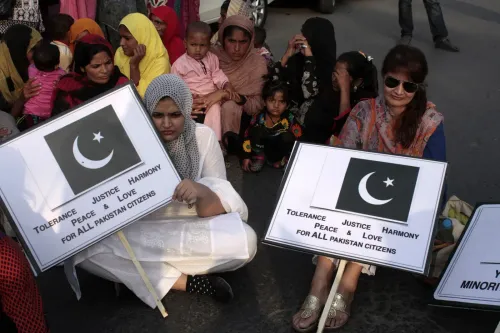
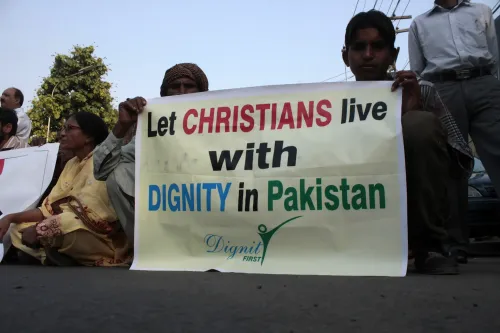
Critics termed the ruling a “missed opportunity to safeguard vulnerable individuals,” cautioning that it may deepen existing inequalities and contribute to a culture of impunity, as reported on Saturday.
The Eurasia Review highlighted that human rights activists demanded accountability from all parties involved in cases of conversion and marriage, urging enhanced procedural protections to confirm age, consent, and autonomy.
They also emphasized the necessity to maintain constitutional assurances of religious freedom and equality under the law, announcing intentions to contest the ruling through an appeal.
“On July 29, 2025, 13-year-old Maria Shahbaz was kidnapped in Lahore, leading to her forced conversion and coerced marriage. A re-investigation ordered by the Sessions Court revealed that the marriage certificate was fraudulent, with the relevant union council affirming the lack of any official documentation. The Deputy Superintendent of Police reinstated the FIR with additional charges. Despite this evidence, the Federal Constitutional Court granted custody of the girl to her alleged husband, effectively legitimizing the marriage,” the report outlined.
The ruling, it noted, overlooked substantial proof of her age, including her birth registration from Pakistan’s National Database and Registration Authority (NADRA), alongside legal protections established under the Punjab Child Marriage Restraint Act and applicable High Court precedents.
Joseph Jansen, Chair of Voice for Justice in Pakistan, expressed grave concerns regarding the court's reliance on “unverified assertions of religious conversion” and its acceptance of insufficient evidentiary standards.
“He cautioned that such reasoning could legitimize coercion, manipulation, and abuse, particularly affecting minority girls. He pointed out that such judgments erode protections for minority communities and deter victims and their families from pursuing legal recourse,” the report stated.
Renowned Pakistani lawyer Akmal Bhatti criticized the ruling, highlighting serious worries regarding due process and the effectiveness of protections against forced conversions and child marriages.
Another activist, Rukhsana Zafar, remarked that these incidents are not isolated but rather indicative of broader systemic failures in protecting vulnerable groups throughout Pakistan.
She added that “the threat of abduction and forced conversion continues to limit women’s freedom of movement and access to education within minority communities.”
Point of View
This decision underscores a pressing need for systemic reforms to ensure the safety and rights of vulnerable individuals.
NationPress
22 Oct 2026
Frequently Asked Questions
What was the ruling of the Pakistan Federal Constitutional Court?
The court upheld the marriage of a minor Christian girl, Maria Shahbaz, to a Muslim man accused of abducting her, while dismissing a habeas corpus petition from her father.
What concerns did human rights advocates express regarding the ruling?
Advocates expressed that the ruling could exacerbate inequalities and foster a culture of impunity, undermining protections for vulnerable individuals.
What evidence was overlooked by the court in this case?
The court disregarded documented proof of Maria's age, including her birth registration and legal protections under the Punjab Child Marriage Restraint Act.
What actions are human rights groups planning in response to the ruling?
Human rights groups plan to challenge the court's verdict through an appeal and demand stronger safeguards against forced conversions and child marriages.
How do such cases reflect on the legal system in Pakistan?
Such cases illustrate systemic failures in protecting vulnerable communities and raise serious questions about the effectiveness of legal safeguards against forced marriages.