Protests Erupt in Pakistan Over Court's Support for Forced Conversion of Christian Minor
Synopsis
In Pakistan, widespread protests have emerged following a federal court's ruling that permits the forced conversion of a Christian minor. Activists demand urgent legal reforms and greater protection for vulnerable girls. This situation raises serious concerns about minority rights and the safety of underage girls in the country.
Key Takeaways
Public Outcry: Widespread protests against a court ruling.
Minority Rights: Increasing concerns over the safety of Christian minors.
Legal Reforms Needed: Calls for urgent changes to child marriage laws.
Activist Voices: Leaders demanding justice and protection for vulnerable groups.
Long-term Implications: Potential rise in forced conversions and marriages.
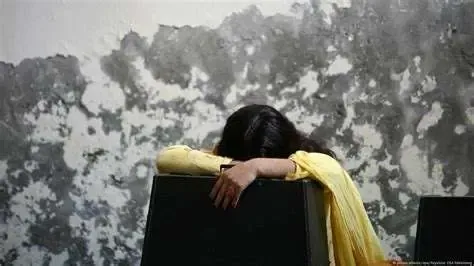
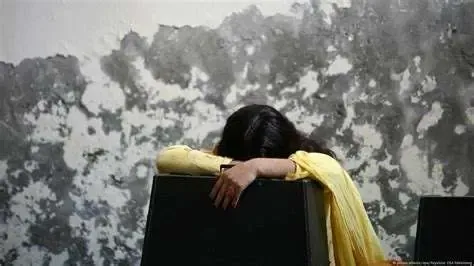
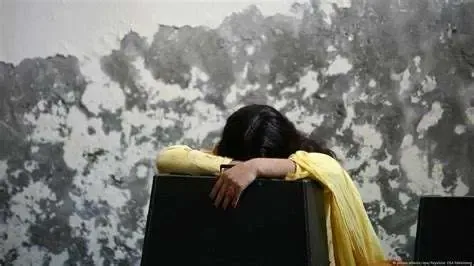
Islamabad, April 2 (NationPress) A wave of protests erupted across Pakistan as Christians, human rights advocates, and civil society members voiced their dissent against a federal court ruling endorsing the forced conversion of a Christian girl by a Muslim man, according to local media reports.
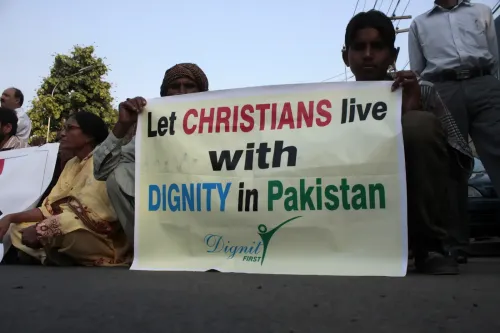
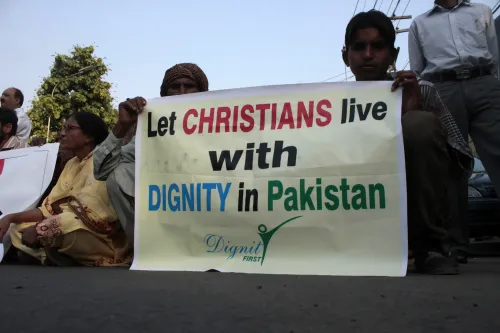
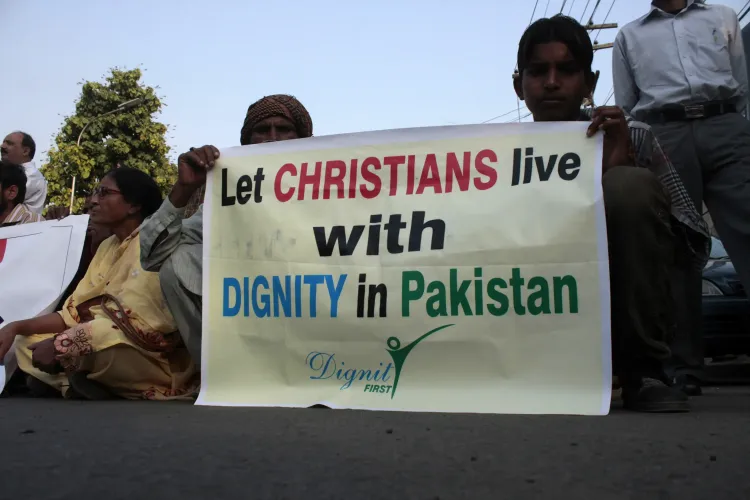
The demonstrations followed a decision from the Federal Constitutional Court that permitted a 30-year-old Muslim man to retain custody of 13-year-old Maria Shahbaz. On March 29, a significant number of Christians gathered outside the Karachi Press Club, wielding placards and chanting slogans that called for enhanced protections for underage girls and more stringent laws against forced conversions and child marriages, as reported by Christian Daily International.
During the protests, speakers highlighted the alarming increase in cases of abduction, forced conversions, and marriages involving Christian girls, urging the Federal Constitutional Court to revisit its ruling. They called upon the Prime Minister and President of Pakistan to take immediate action.
Addressing the crowd, church leader and rights activist Ghazala Shafique stated, "We condemn the Federal Constitutional Court for undermining the existing child marriage laws by legitimizing the Islamic conversion and marriage of a minor Christian girl... How can minors, who are not legally able to obtain identity documents, be viewed as capable of making decisions regarding religion or marriage?"
Other speakers echoed the need to reassess controversial laws and judicial decisions affecting minority communities, emphasizing that neglecting these matters only exacerbates insecurity among these groups. Similar protests were organized by various entities, including the National Christian Party and Gawahi Mission Trust. Young girls carried placards demanding justice for Maria Shahbaz and the enforcement of laws prohibiting marriage under the age of 18. The protesters cautioned that vulnerable populations, particularly young girls, remain at grave risk without urgent legal reforms and judicial reviews.
Representatives from civil society, as well as political and human rights organizations, convened a press conference in Lahore to denounce the verdict in the Maria Shahbaz case, according to Christian Daily International. Samson Salamat, chairman of Rwadari Tehreek or Movement for Equality, described the ruling as "misleading" and a setback for efforts aimed at safeguarding minors from marriages that could inflict lasting physical, emotional, and educational damage.
Salamat emphasized that the Federal Constitutional Court's decision effectively endorses the forced marriage of the 13-year-old Christian girl to a Muslim man under the guise of sharia (Islamic law), in direct contradiction to the Child Marriage Restraint Act and its provincial variations, which stipulate a minimum marriage age of 18 for girls, as documented by Christian Daily International.
During the press conference, speakers stressed the implications of the court's ruling on minority girls in Pakistan, who are disproportionately affected by forced conversions and child marriages. Salamat highlighted that this decision could embolden perpetrators to exploit vulnerable girls, forcibly converting and marrying them, thereby erasing their identities and denying them access to education and protection.
Point of View
It is crucial to recognize the gravity of the situation where a court ruling has raised concerns about the safety and rights of minority communities, particularly young girls. The protests reflect a growing demand for justice and legislative change, highlighting the need for a society that prioritizes the protection of its most vulnerable members.
NationPress
18 Oct 2026
Frequently Asked Questions
What was the court's ruling regarding Maria Shahbaz?
The Federal Constitutional Court ruled that a 30-year-old Muslim man could keep custody of 13-year-old Maria Shahbaz, endorsing her forced conversion.
Why are protests being held in Pakistan?
Protests are being held to oppose the court's ruling and to demand stronger laws against forced conversions and child marriages.
Who are the main advocates speaking out against the ruling?
Church leaders, human rights activists, and representatives from civil society groups, including Ghazala Shafique and Samson Salamat, are voicing their opposition.
What laws are being challenged by this ruling?
The ruling challenges existing child marriage laws, which stipulate that the minimum age for marriage is 18.
What are the potential consequences of the court's decision?
The decision could embolden perpetrators to exploit vulnerable girls, leading to increased cases of forced conversions and child marriages.