EU urged to suspend Pakistan's GSP Plus over Balochistan abuses
Synopsis
A formal petition to the European Parliament is now demanding Pakistan be stripped of its preferential EU trade status — citing life sentences handed to Baloch leaders in closed-door trials, a decades-long alleged 'kill-and-dump' policy, and thousands of enforced disappearances. If the European Commission acts, Pakistan's export industries face a significant blow.
Key Takeaways
Paank , the human rights arm of the Baloch National Movement , has petitioned the European Parliament to suspend Pakistan's GSP+ status .
The petition alleges systematic violations of 27 international conventions underpinning GSP+ eligibility.
BYC leaders Mahrang Baloch and Sibghatullah Shah were sentenced to life imprisonment in June 2026 following closed-door trials, according to the petition.
The report alleges a decades-long 'kill-and-dump' policy involving enforced disappearances and extrajudicial killings by Pakistani security forces.
Paank has called on the European Commission to launch an investigation under the ICCPR and CAT provisions of the GSP regulation.
A separate request urges the UNHRC to establish an independent fact-finding mission in Balochistan.
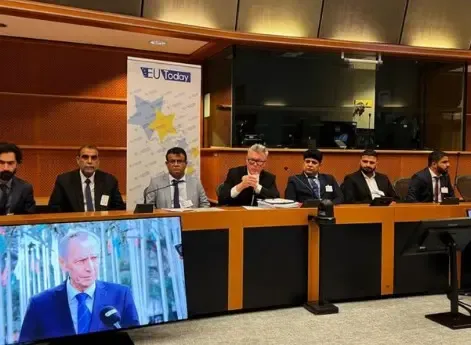
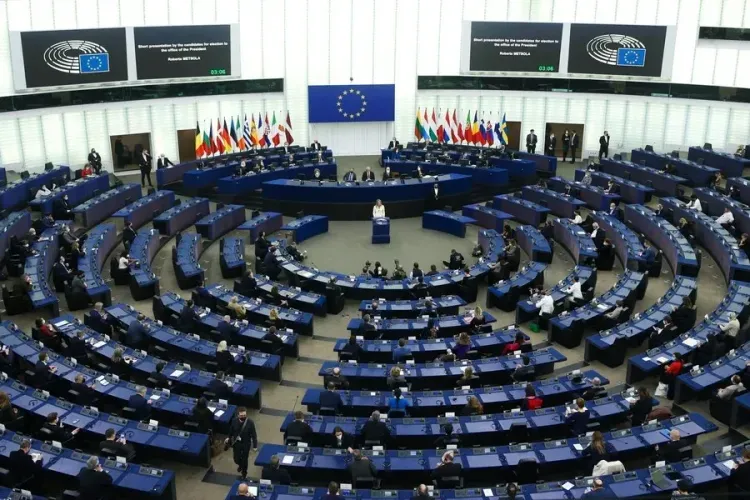
Paank, the human rights department of the Baloch National Movement (BNM), has submitted a formal petition to the European Parliament calling for the suspension of Pakistan's Generalised Scheme of Preferences Plus (GSP+) status, citing what it describes as a systematic, state-sponsored campaign of repression against the Baloch people. The petition, accompanied by a detailed supplementary evidence report, alleges grave violations of core international human rights conventions that form the legal basis for GSP+ trade privileges.
What the Petition Alleges
The petition charges that the human rights situation in Balochistan has deteriorated from a regional crisis into an institutionalised pattern of state violence. According to the document, Pakistan's conduct is 'fundamentally incompatible with the 27 international conventions that form the legal prerequisite for GSP+ trade privileges.'
Paank's report documents a 'clear, chronological escalation of state violence,' alleging that a decades-old covert 'kill-and-dump' policy has evolved into the overt criminalisation of peaceful civil society. The rights body further alleges that counter-terrorism legislation has been weaponised to 'arbitrarily detain, torture, and silence' human rights defenders.
Key Cases Cited
The petition singles out the June 2026 sentencing of Baloch Yakjehti Committee (BYC) leaders Mahrang Baloch and Sibghatullah Shah to life imprisonment following what it describes as closed-door trials 'stripped of due process.' It also highlights the 'relentless harassment, travel bans, and violent home raids' directed at activists such as Sammi Deen Baloch, calling these a 'systematic effort to eradicate all forms of peaceful dissent.'
Enforced Disappearances and 'Kill-and-Dump'
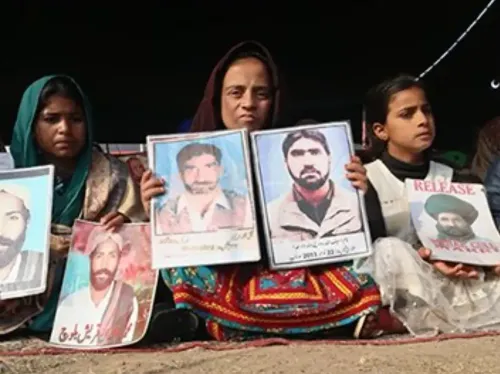
According to Paank, the contemporary crisis is rooted in the systematic practice of enforced disappearances, allegedly carried out by Pakistani state security forces including the Frontier Corps, intelligence agencies, and the Counter-Terrorism Department. The organisation alleges that for over two decades, thousands of Baloch students, political activists, journalists, poets, and civilians have been abducted — taken from homes, university dormitories, or public streets by armed personnel in unmarked vehicles — with the state subsequently denying any knowledge of their whereabouts.
Survivors' testimonies, according to the report, recount detention in unacknowledged 'black sites,' prolonged incommunicado confinement, and severe torture. The report alleges that many such cases end in extrajudicial killings, with mutilated bodies bearing 'drill holes and acid burns' later discovered in remote mountainous areas.
What Paank Is Demanding
Paank has called on the European Commission to immediately launch an official investigation and initiate the procedure for the temporary withdrawal of Pakistan's GSP+ trade preferences, citing systematic violations of the International Covenant on Civil and Political Rights (ICCPR) and the Convention Against Torture (CAT) under the applicable GSP regulation.
The organisation has also urged the European Parliament to formally request the United Nations Human Rights Council (UNHRC) to establish an independent fact-finding mission to investigate extrajudicial killings, enforced disappearances, and the operation of alleged secret detention centres in Balochistan. Pakistan's government has not responded to the specific allegations in the petition as of the time of reporting.
What Comes Next
The petition now awaits formal acknowledgement and review by the European Parliament's competent committee. A decision to initiate a GSP+ investigation would require the European Commission to formally assess whether Pakistan's obligations under the 27 referenced conventions are being met — a process that can take months and has precedent in past reviews of other beneficiary countries. The outcome could have significant implications for Pakistan's export-dependent industries, which benefit substantially from preferential EU tariff access.
Point of View
And Pakistan has navigated similar scrutiny before without losing status. The real test is whether the European Parliament's committees treat this as a procedural formality or a genuine trigger for investigation — and whether the documented evidence of 'kill-and-dump' and closed-door life sentences is specific enough to force the Commission's hand.
NationPress
22 Oct 2026
Frequently Asked Questions
What is Pakistan's GSP Plus status and why does it matter?
Pakistan's GSP+ status grants it preferential, reduced-tariff access to the European Union market in exchange for ratifying and implementing 27 international conventions on human rights, labour rights, environmental protection, and good governance. Suspension would significantly raise costs for Pakistani exporters — particularly in textiles — and reduce their competitiveness in the EU market.
Who submitted the petition to the European Parliament?
The petition was submitted by Paank, the human rights department of the Baloch National Movement (BNM), along with a comprehensive supplementary evidence report. The BNM is a Baloch political organisation; Pakistan's government regards it as a proscribed group, though the petition was addressed to the European Parliament directly.
What specific abuses does the petition document?
The petition alleges enforced disappearances carried out by Pakistani security forces including the Frontier Corps and intelligence agencies, detention in unacknowledged 'black sites,' systematic torture, and extrajudicial killings under a so-called 'kill-and-dump' policy. It also cites the June 2026 life imprisonment of BYC leaders Mahrang Baloch and Sibghatullah Shah following closed-door trials.
What action has Paank demanded from the European Commission?
Paank has called on the European Commission to immediately launch an official investigation and initiate the procedure for temporary withdrawal of Pakistan's GSP+ trade preferences, citing violations of the International Covenant on Civil and Political Rights (ICCPR) and the Convention Against Torture (CAT) under the applicable GSP regulation.
What happens next after the petition is submitted?
The petition must be formally acknowledged and reviewed by the European Parliament's competent committee. If referred to the European Commission, a structured GSP investigation process — which can take several months — would follow. Pakistan would be given an opportunity to respond before any suspension decision is made.