FAO warns Somalia faces triple threat: drought, El Nino floods, and fuel crisis
Synopsis
Somalia is caught between two climate extremes and an economic shock — drought ravaging the south, El Nino-driven floods forecast for late 2026 along the Juba and Shabelle rivers, and Middle East conflict-linked fuel prices that have more than doubled in Mogadishu. FAO is calling for uninterrupted humanitarian support through 2027, warning that donor fatigue at this juncture could be catastrophic.
Key Takeaways
FAO warned on 8 June that Somalia faces a simultaneous triple crisis: prolonged drought, impending El Nino -driven floods, and economic shocks from the Middle East conflict.
Fuel prices in Mogadishu have surged from $0.60 to $1.50 per litre , driving inflation in food, transport, and services.
The Shabelle River at Jowhar remains dangerously high; drought is particularly severe in Southwest State .
An El Nino phenomenon is forecast to develop in mid-2026 and intensify by year-end, shifting the primary risk from drought to flooding along the Juba and Shabelle rivers.
FAO Somalia Representative Etienne Peterschmitt called for sustained humanitarian assistance through 2026 and into 2027 .
Shifting donor priorities and a constrained global funding environment are raising the risk of scaled-back assistance, according to FAO.
The Food and Agriculture Organisation of the United Nations (FAO) on Monday, 8 June warned that Somalia's humanitarian crisis is rapidly worsening under a convergence of three compounding pressures: a prolonged drought, the looming threat of El Nino-driven flooding, and severe economic shocks traced to the ongoing conflict in the Middle East. The agency cautioned that without sustained international support through 2026 and into 2027, the situation risks deteriorating further for some of the world's most vulnerable populations.
Economic Shocks Driving Food Insecurity
The Middle East conflict has sent ripple effects deep into Somalia's fragile economy, fuelling inflation that is pushing basic necessities beyond the reach of vulnerable households. Fuel prices in Mogadishu, the Somali capital, have surged from approximately $0.60 to $1.50 per litre, according to government figures — a rise of more than 150%.
Gordon Dudi, FAO Food Security Cluster Coordinator, said in a statement: 'The sharp rise in fuel prices is driving inflation in food, transport, utilities, and services, significantly increasing logistics costs.' He added that a constrained global funding environment, combined with shifting donor priorities, has reduced operational efficiency and raised the risk of scaled-back humanitarian assistance.
Current Drought Conditions and Flood Risk Ahead
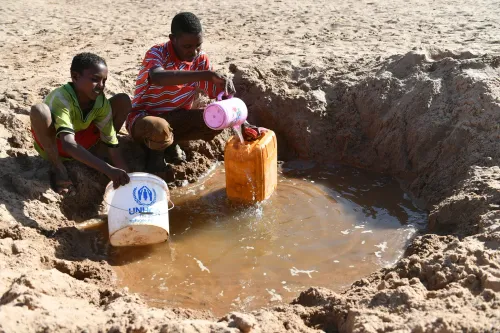
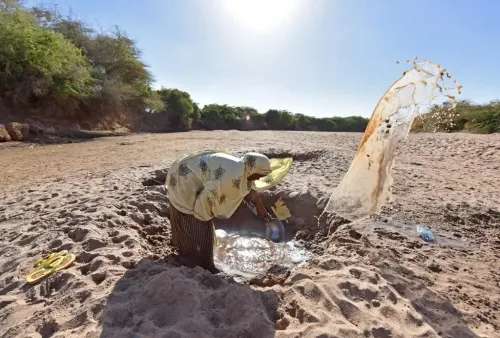
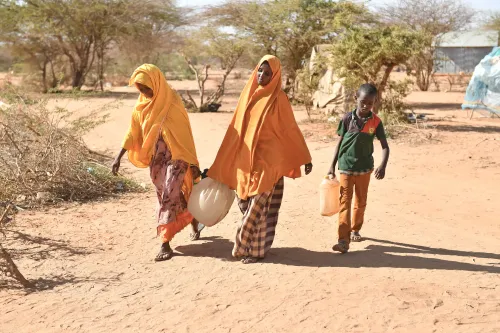
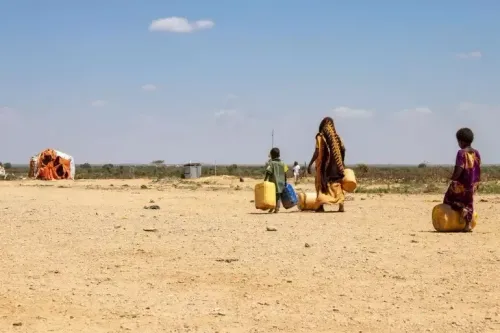
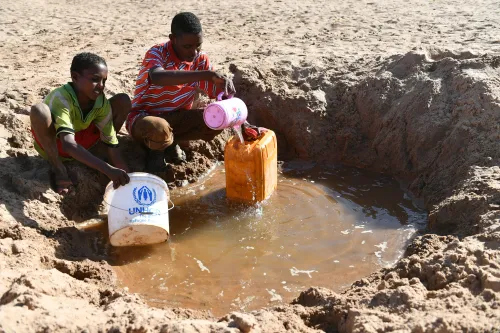
The latest data from FAO's Somalia Water and Land Information Management (SWALIM) unit show that recent rainfall has brought limited relief to parts of the country. However, the Shabelle River remains dangerously high at Jowhar, and parts of southern and central coastal Somalia continue to face severe water shortages. Drought conditions are described as particularly acute in Southwest State.
Looking ahead, Bethwell Mutai, SWALIM's lead meteorologist, warned that an El Nino phenomenon is forecast to develop in mid-2026 and intensify toward year-end. 'From that point onward, we are likely to see a shift from drought concerns to flood risks. The main threat is expected to be flooding, particularly along the Juba and Shabelle rivers, the country's two major waterways,' Mutai said.
A Simultaneous Dual Preparedness Challenge
Mutai stressed that it remains imperative to continue supporting drought-affected communities while simultaneously preparing for possible floods and fuel shortages — an unusually complex operational challenge for humanitarian agencies already stretched by funding constraints.
This comes amid a broader pattern of climate-driven crises in the Horn of Africa, where alternating drought and flood cycles have repeatedly undermined food security gains. Somalia has experienced multiple consecutive failed rainy seasons in recent years, and the anticipated El Nino shift represents a dangerous pivot rather than a reprieve.
FAO's Call for Sustained Assistance
Etienne Peterschmitt, FAO Somalia Representative, said humanitarian assistance must be sustained throughout 2026 and into 2027 to prevent further suffering, help affected populations recover from drought, and prepare communities for the impacts of El Nino. The warning underscores growing concern that donor fatigue and geopolitical distractions could leave one of the world's most protracted humanitarian emergencies critically underfunded at precisely the wrong moment.
Point of View
Which rarely appears in technical advisories unless the situation is genuinely dire. What mainstream coverage tends to miss is the economic transmission mechanism: it is not just climate, it is the Middle East conflict repricing fuel in a landlocked-logistics economy, compounding every other vulnerability. The El Nino pivot from drought to flood is also underreported — communities and agencies that have spent years building drought resilience will need to reverse posture rapidly, and the funding pipeline for that transition does not yet exist.
NationPress
24 Sept 2026
Frequently Asked Questions
What is the triple threat FAO has warned about in Somalia?
FAO has identified three simultaneous crises battering Somalia: a prolonged drought, the anticipated arrival of El Nino-driven flooding by late 2026, and severe economic shocks — particularly fuel price inflation — linked to the ongoing conflict in the Middle East. Together, these pressures are pushing food insecurity and humanitarian need to critical levels.
How much have fuel prices risen in Mogadishu?
According to government figures, fuel prices in Mogadishu have risen from approximately $0.60 to $1.50 per litre — an increase of more than 150%. FAO's Food Security Cluster Coordinator Gordon Dudi has said this is driving inflation across food, transport, utilities, and services.
When is the El Nino flooding threat expected to peak in Somalia?
SWALIM lead meteorologist Bethwell Mutai has forecast that an El Nino phenomenon will develop in mid-2026 and intensify toward the end of the year. The primary flood risk is expected along the Juba and Shabelle rivers, Somalia's two major waterways.
Which parts of Somalia are most affected right now?
Parts of southern and central coastal Somalia are facing severe water shortages, with drought conditions particularly acute in Southwest State. The Shabelle River at Jowhar remains dangerously high despite some recent rainfall providing limited relief elsewhere.
How long does FAO say humanitarian support will be needed?
FAO Somalia Representative Etienne Peterschmitt has called for sustained humanitarian assistance throughout 2026 and into 2027, to help communities recover from drought and prepare for the projected El Nino impacts. The agency has also flagged that shifting donor priorities risk reducing the scale of assistance at a critical time.