How is Drought Impacting Millions in Somalia?
Synopsis
The ongoing drought in Somalia is affecting millions, leading to displacement, food scarcity, and educational disruptions. With authorities warning of worsening conditions, immediate assistance is critical to prevent a humanitarian disaster.
Key Takeaways
The drought is affecting over 4.6 million people in Somalia.
Displacement and food scarcity are on the rise.
Education has been severely disrupted, with over 75,000 students dropping out.
The next rainy season is not expected until April 2026.
Immediate humanitarian assistance is critical to prevent a disaster.
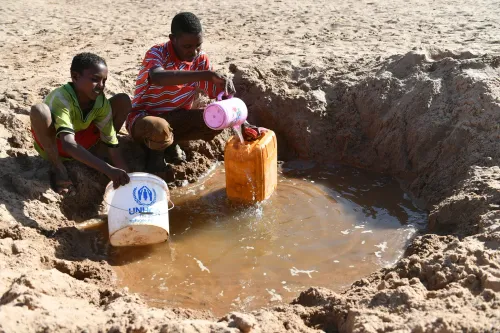
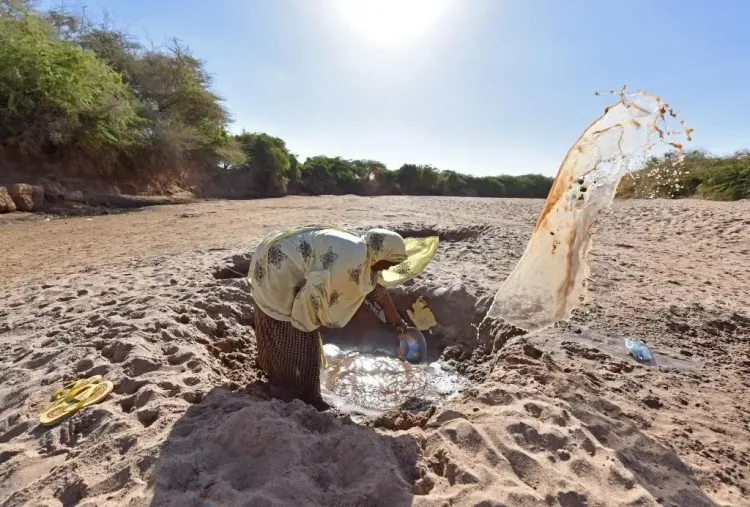
United Nations, Dec 23 (NationPress) A devastating drought is currently impacting over 4.6 million individuals in Somalia, accounting for nearly a quarter of the nation’s total population, according to a UN spokesperson.
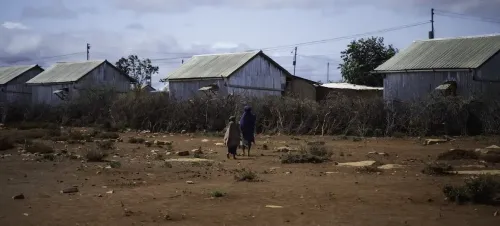
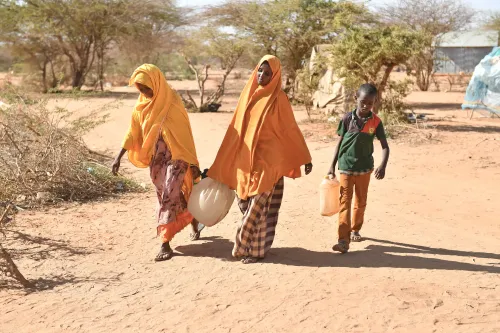
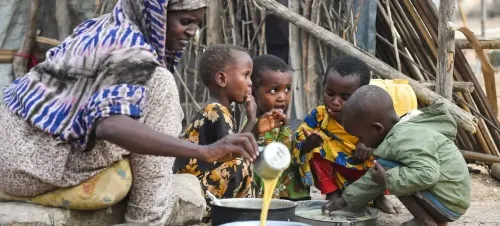
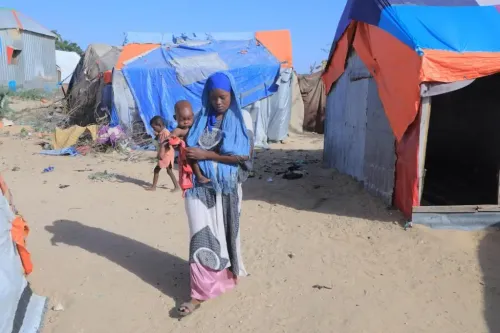
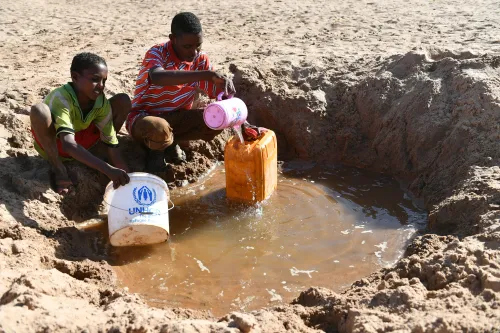
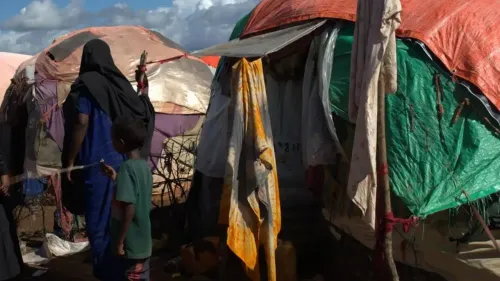
Reports from UN partners reveal that at least 120,000 individuals have been displaced in the period from September to December. This crisis is exacerbated by soaring water prices, diminishing food supplies, livestock fatalities, and collapsing livelihoods, as stated by Stephane Dujarric, the spokesperson for the UN Secretary-General, during a daily briefing.
The educational sector is also suffering significantly, with over 75,000 students forced to leave school across the nation.
Dujarric further highlighted that the upcoming dry season, projected from January to March, is likely to worsen the drought situation, leading to increased water shortages and elevated livestock deaths, which could heighten food insecurity in various regions of Somalia, as reported by the Xinhua news agency.
Authorities are urgently requesting assistance to prevent a potential collapse of pastoral and agricultural livelihoods and to avert unnecessary loss of life. They emphasize that the next four months are crucial, with the next rainy season not expected until April 2026, according to the spokesperson.
Dujarric mentioned that the UN’s Central Emergency Response Fund allocated $10 million at the end of November; however, substantial additional support is desperately needed.
The UN Office for the Coordination of Humanitarian Affairs (OCHA) noted that the drought emergency follows inadequate rainfall during the two primary rainy seasons and is further aggravated by funding shortages for aid, worsening Somalia's already critical humanitarian crisis.
The Somali authorities are calling for immediate help to avert a catastrophic collapse of pastoral and agricultural livelihoods, aiming to preventable loss of lives, as emphasized in the OCHA's latest report from Mogadishu, the capital of Somalia.
The authorities are warning that the next four months will be pivotal, with no rain anticipated until April 2026.
The OCHA has indicated that the forthcoming dry season, from January to March next year, is expected to further intensify the existing drought conditions, leading to heightened water scarcity, abnormal livestock migration, and increased livestock mortality, thereby deepening acute food insecurity in various areas of Somalia.
The UN agency has initiated humanitarian responses, including stock mapping, field assessments of the situation's severity, and resource evaluation for early intervention, despite being severely hampered by significant funding shortages.
Point of View
It is imperative to highlight the critical humanitarian crisis unfolding in Somalia due to the ongoing drought. This situation poses a severe risk to millions of lives, necessitating immediate global attention and support. The convergence of environmental challenges and funding shortfalls demands our collective response to safeguard vulnerable communities.
NationPress
30 Sept 2026
Frequently Asked Questions
How many people are affected by the drought in Somalia?
Over 4.6 million people are currently impacted by the drought in Somalia, which is about a quarter of the population.
What are the main consequences of the drought?
The drought has led to displacement, food shortages, rising water prices, livestock deaths, and educational disruptions.
What is the expected timeline for the next rainy season?
The next rainy season is not anticipated until April 2026, which raises concerns about worsening drought conditions.
What assistance is being requested?
Authorities are calling for urgent assistance to prevent the collapse of pastoral and agricultural livelihoods and avoid loss of life.
How is the UN responding to this crisis?
The UN has allocated $10 million for emergency response efforts but emphasizes that significantly more support is needed to address the crisis.