Is Drought Now Affecting 4.6 Million People in Somalia?
Synopsis
The drought emergency in Somalia has reached alarming levels, impacting millions. As the UN warns of worsening conditions, the need for urgent humanitarian aid has never been more critical. This article sheds light on the ongoing crisis and the urgent responses needed to avert catastrophe.
Key Takeaways
4.61 million people affected by drought in Somalia.
Funding shortfalls are worsening the humanitarian situation.
Urgent assistance is needed to protect livelihoods.
Next rains expected in April 2026 .
UN allocates 10 million USD for emergency action.
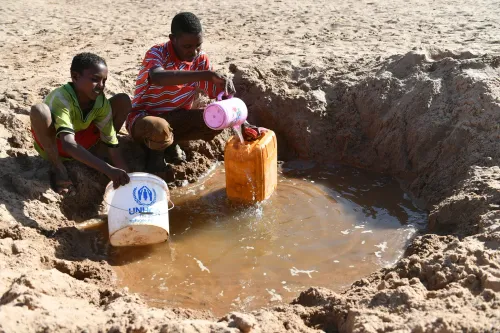
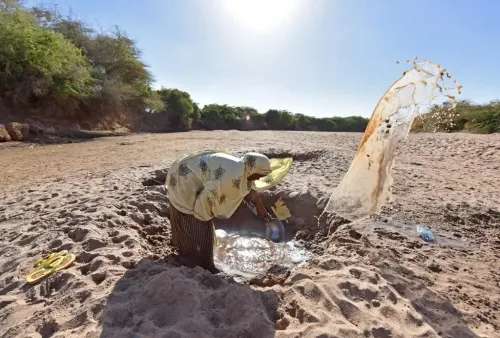
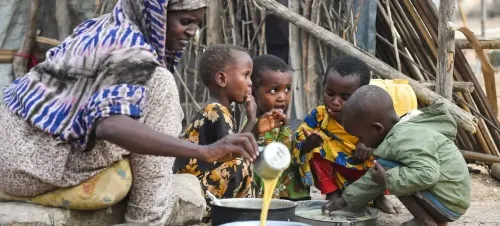
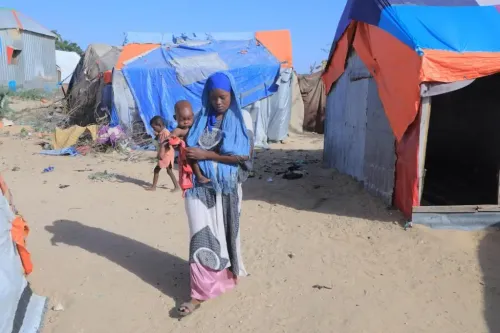
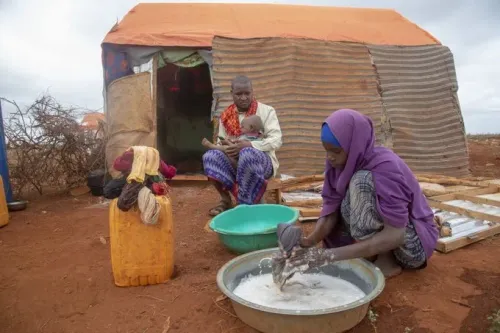
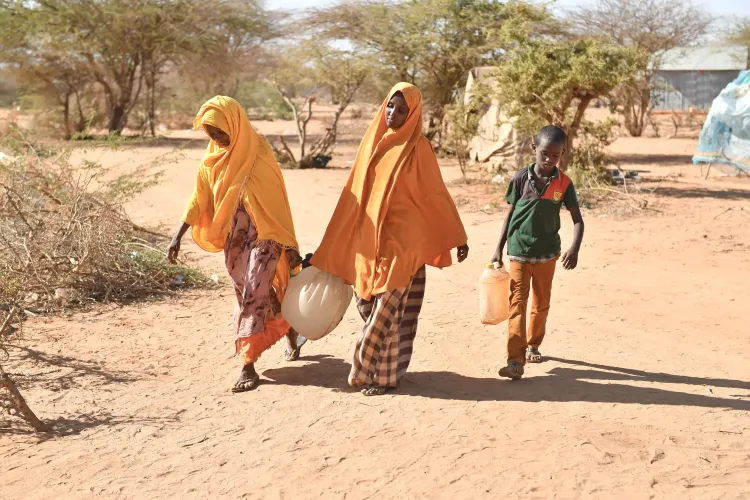
Mogadishu, Dec 22 (NationPress) The drought crisis in Somalia has markedly intensified, with officials estimating that approximately 4.61 million individuals are currently impacted by the extended dry spells throughout the nation, according to the United Nations (UN) relief agency reported on Monday.
The UN Office for the Coordination of Humanitarian Affairs (OCHA) indicated that this drought emergency stems from the inadequate performance of the two primary rainy seasons and is exacerbated by insufficient funding for humanitarian aid, further deteriorating Somalia's already critical humanitarian landscape.
Authorities in Somalia are urgently requesting assistance to prevent a potential collapse of agricultural and pastoral livelihoods, as well as to avert unnecessary loss of life, as highlighted in OCHA's most recent report issued from Mogadishu, the capital.
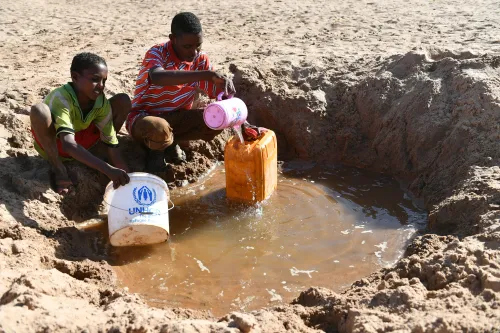
The next four months are deemed crucial, as the forthcoming rains are not anticipated until April 2026, as reported by Xinhua. The OCHA warned that the upcoming dry season from January to March will likely worsen the already dire drought conditions, leading to increased water shortages, unusual livestock migrations, and a spike in livestock mortality, thereby heightening acute food insecurity across various regions of Somalia.
The UN agency stated that humanitarian organizations are mobilizing their responses, including assessing supply stocks, visiting affected areas to gauge the severity of the crisis, and evaluating available resources for prompt action, despite significant limitations due to severe funding deficits.
OCHA highlighted that the drought is particularly severe in the central, southern, and northern areas of the country, but is also spreading to other regions, pushing already vulnerable communities to the brink. The UN emergency relief coordinator has allocated 10 million US dollars from the UN Central Emergency Response Fund for drought early action, targeting over 603,000 individuals.
Point of View
It is vital to recognize the severity of the drought situation in Somalia. With millions affected and urgent calls for aid, we must hold global leaders accountable to respond effectively to this humanitarian crisis and support the vulnerable communities facing dire circumstances.
NationPress
30 Sept 2026
Frequently Asked Questions
How many people are affected by the drought in Somalia?
Approximately 4.61 million people are affected by the drought in Somalia according to the UN.
What is causing the drought emergency in Somalia?
The drought emergency is a result of poor rainfall performance during the two main rainy seasons and funding shortages for humanitarian assistance.
What regions in Somalia are most affected by the drought?
The drought is particularly severe in the central, southern, and northern regions of Somalia.
What actions is the UN taking to address the drought?
The UN is mobilizing humanitarian responses, mapping supplies, assessing the situation, and allocating funds for early action.
When are the next rains expected in Somalia?
The next rains in Somalia are not expected until April 2026.