UN Reports One-Third of Somalia's Population Faces Hunger Crisis by March
Synopsis
The UN warns that a staggering 6.5 million people in Somalia are expected to experience extreme hunger by March, a significant rise from January figures. The situation is dire, with millions of women and children particularly at risk. Urgent action and funding are essential to avert a humanitarian disaster.
Key Takeaways
6.5 million people in Somalia facing hunger.
1.7 million increase in hunger cases since January.
Two million vulnerable women and children at severe risk.
Urgent funding needed: $85 million required by FAO.
Last cereal harvest 83% lower than average.
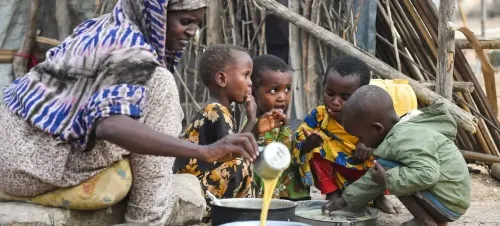
According to a report from the United Nations dated February 26, approximately 6.5 million individuals, representing about one-third of Somalia's overall population, are projected to experience critical hunger levels through March. This marks an alarming increase of 1.7 million since January, as per the warnings from UN officials.
During a press briefing held via video link from the UN headquarters, Ross Smith, the Director of Emergency Preparedness and Response for the World Food Programme (WFP), stated that the newly released Integrated Food Security Phase Classification (IPC) report for Somalia confirmed the escalating humanitarian crisis in the region.
Smith indicated, "Among these individuals, two million of the most at-risk women and children are anticipated to confront severe hunger," adding that over 1.8 million children under five years old are expected to suffer from acute malnutrition by 2026.
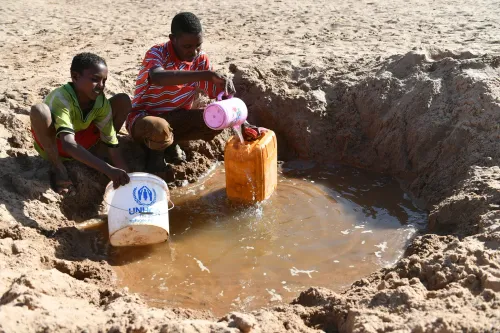
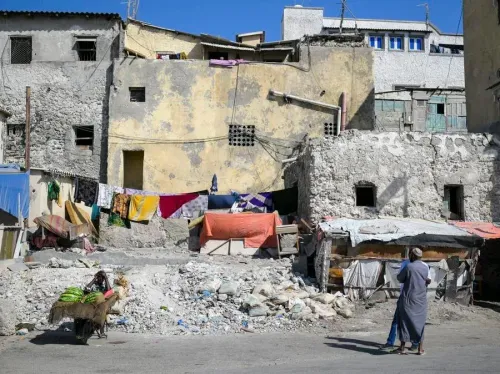
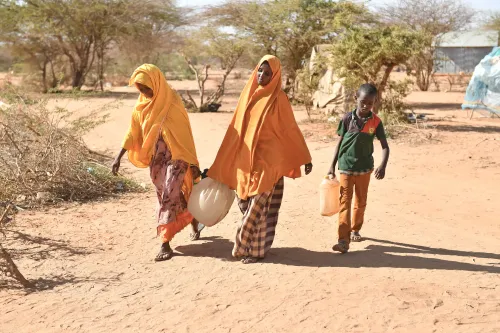
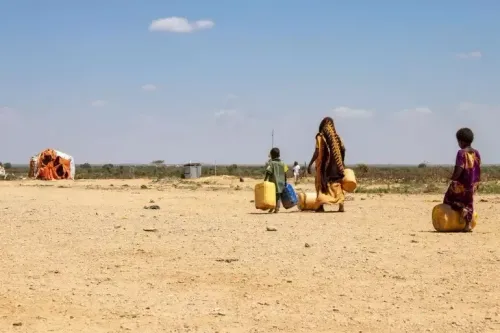
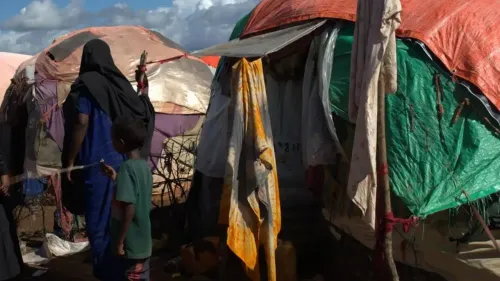
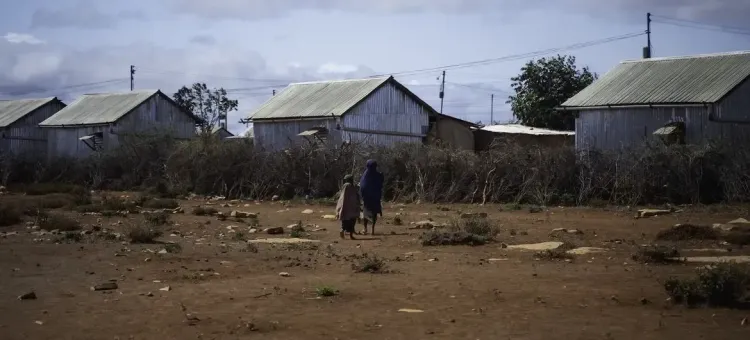
He elaborated that Somalia is currently grappling with a complicated hunger emergency, exacerbated by the failure of two rainy seasons, ongoing conflict, and insecurity, leading to the displacement of thousands seeking shelter, food, and essential services.
At the same time, humanitarian organizations operating in Somalia, including the WFP, are struggling with a critical shortage of resources. Smith emphasized that without immediate funding, the WFP's essential food and nutrition aid will face drastic reductions, potentially ceasing support for the most vulnerable soon, as reported by Xinhua.
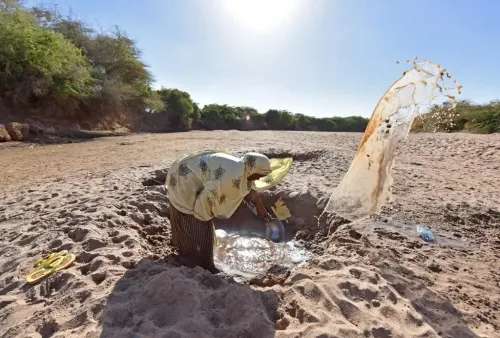
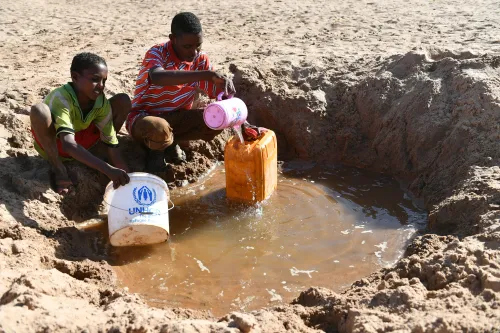
Rein Paulsen, director of the Office of Emergencies and Resilience at the Food and Agriculture Organization (FAO), pointed out the severe impact of drought on Somalia's agricultural sector. He noted, "This situation results in widespread losses of crops and livestock, along with significant population displacements."
Due to the ongoing drought, the last major cereal harvest in the country was 83% lower than the long-term average spanning from 1995 to 2025, coupled with a decline in livestock births. Paulsen underscored the urgent need for life-saving assistance to safeguard lives and prevent the collapse of rural pastoral livelihoods.
To address this crisis, the FAO requires $85 million to assist a million of the most vulnerable and underserved rural individuals currently, yet has only secured $6 million thus far, he reported.
Point of View
It is essential to highlight the urgent humanitarian crisis unfolding in Somalia. The troubling statistics presented by UN officials indicate a dire need for international support to avert catastrophic hunger levels affecting millions, particularly vulnerable populations.
NationPress
2 Oct 2026
Frequently Asked Questions
What is the current hunger crisis in Somalia?
As of February 2023, approximately 6.5 million people in Somalia are facing crisis levels of hunger, with two million women and children at severe risk.
What are the main causes of the hunger crisis in Somalia?
The crisis is primarily due to failed rainy seasons, ongoing conflict, insecurity, and severe drought affecting agriculture.
How much funding is needed to address the crisis?
The Food and Agriculture Organization requires $85 million to support the most vulnerable populations in Somalia.
What are the projected impacts on children?
Over 1.8 million children under five are expected to suffer from acute malnutrition by 2026.
What actions are being taken to mitigate the crisis?
Humanitarian organizations like WFP and FAO are urgently seeking funding and resources to provide food and nutrition assistance.