Is a Former Google Engineer Guilty of AI Espionage?
Synopsis
In a landmark case, a former Google engineer has been convicted of stealing AI trade secrets to benefit China. This unprecedented ruling underscores the government’s commitment to safeguarding technological innovations amidst rising global tensions. Discover the implications of this case on the future of AI and national security.
Key Takeaways
First-ever conviction of AI-related economic espionage.
Ding stole thousands of pages of confidential information from Google.
He faces up to 15 years in prison for espionage.
The case underscores the need for protecting innovation .
Evidence suggests Ding sought government support from China.
Washington, Jan 31 (NationPress) A federal jury in San Francisco has found a former Google software engineer guilty of illegally acquiring sensitive artificial intelligence trade secrets for the benefit of China. This conviction marks the first instance of AI-related economic espionage charges resulting in a guilty verdict, according to US officials.
Linwei Ding, also known as Leon Ding, aged 38, was convicted on seven counts of economic espionage and seven counts of theft of trade secrets after an 11-day trial overseen by US District Judge Vince Chhabria in the Northern District of California.
Prosecutors stated that Ding pilfered thousands of pages of confidential AI-related documents from Google while simultaneously pursuing technology ventures linked to China.
“This conviction reveals a deliberate breach of trust involving some of the most sophisticated AI technology globally at a pivotal time in AI advancement,” remarked Assistant Attorney General for National Security John A. Eisenberg. “Ding exploited his privileged access to steal AI trade secrets while engaging in ventures aligned with the PRC government.
Evidence presented during the trial indicated that Ding stole over 2,000 pages of confidential content from Google's internal systems between May 2022 and April 2023. Prosecutors claimed he uploaded this information to his personal Google Cloud account and subsequently downloaded it to his personal computer shortly before his resignation from the company.
While still employed at Google, Ding covertly aligned himself with two technology firms based in China. In mid-2022, he deliberated on taking the role of chief technology officer at a budding firm in the country. By early 2023, he had established his own artificial intelligence and machine learning company in China and was acting as its CEO.
During investor pitches, Ding asserted that he could create an AI supercomputer by replicating and altering Google's technology. The jury determined that the stolen trade secrets were crucial to the hardware and software that empower Google's data centers to train and operate large AI models.
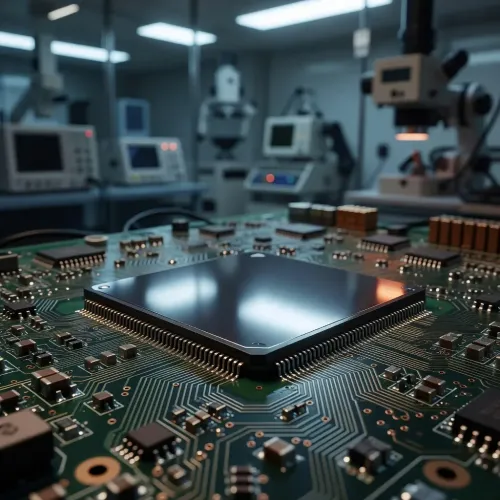
The stolen material included specific details about Google's custom Tensor Processing Unit chips, graphics processing unit systems, and the software facilitating communication between these chips. It also comprised software utilized to coordinate thousands of chips into AI supercomputers and insights into Google's SmartNIC technology for high-speed networking.
Prosecutors further demonstrated that Ding sought backing from the Chinese government. In late 2023, he applied for a government-sponsored talent initiative in Shanghai, expressing intentions to “assist China in achieving computing power capabilities that meet international standards.”
FBI San Francisco Special Agent in Charge Sanjay Virmani stated that the verdict highlights the government’s dedication to safeguarding innovation. Ding was first indicted in March 2024 and is scheduled to attend a status conference on February 3, 2026. He faces a maximum of 10 years in prison for each theft charge and up to 15 years for each espionage charge.
Point of View
We recognize the gravity of this case involving former Google engineer Linwei Ding. The conviction not only signifies a pivotal moment in AI-related espionage but also underscores the importance of safeguarding our intellectual property in an increasingly competitive global landscape. We remain committed to delivering unbiased and thorough coverage of such consequential events.
NationPress
3 Oct 2026
Frequently Asked Questions
What charges was Linwei Ding convicted of?
Linwei Ding was convicted on seven counts of economic espionage and seven counts of theft of trade secrets.
What type of information did Ding steal?
Ding stole over 2,000 pages of confidential AI-related documents from Google’s internal systems.
What was Ding's connection to China?
Ding was secretly pursuing technology ventures linked to China while employed at Google.
What are the potential consequences for Ding?
He faces up to 10 years in prison for each theft count and up to 15 years for each espionage count.
What does this case mean for AI development?
This case highlights the urgent need to protect technological innovations amid rising global tensions.