France curfews: PM Lecornu orders partial curfews after 550,000-strong protests
Synopsis
With 550,000 on the streets, 2,397 arrested, 997 officers injured, and at least 3,000 businesses looted, France's weekend of protests has pushed PM Lecornu to impose targeted curfews and emergency business relief — while keeping a full state of emergency on standby. The scale of unrest signals that Europe's living-cost anger is far from spent.
Key Takeaways
French Prime Minister Sebastien Lecornu ordered partial curfews across select urban areas effective Monday evening, 19 October .
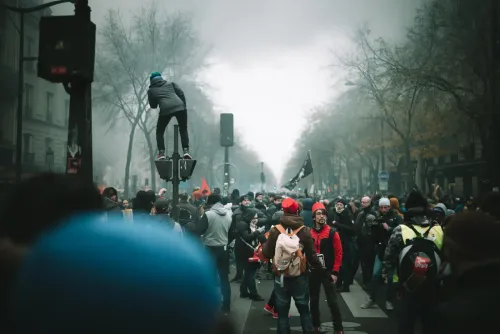
Weekend protests drew approximately 550,000 participants across France on Saturday .
2,397 people were arrested and 997 police officers and gendarmes were injured, seven seriously.
French Trade Minister Serge Papin estimated at least 3,000 businesses were affected by looting and damage.
Partial unemployment relief for affected shopkeepers will be activated from Tuesday , alongside government funding support.
Marseille banned all gatherings from noon to 8 pm local time on Monday; President Macron has vowed legal action against those behind the violence.
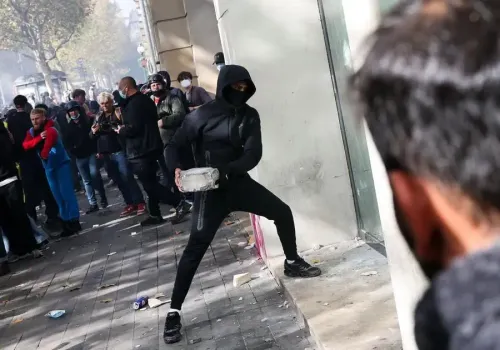
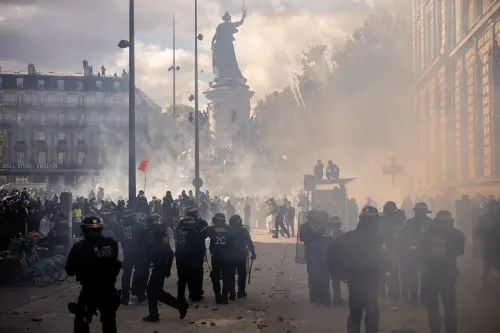
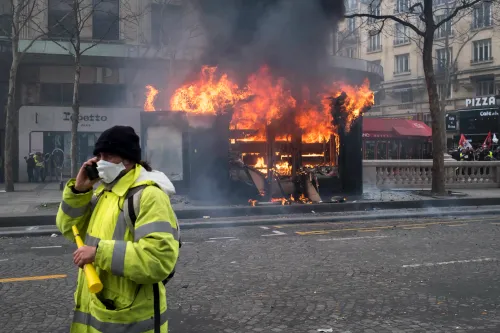
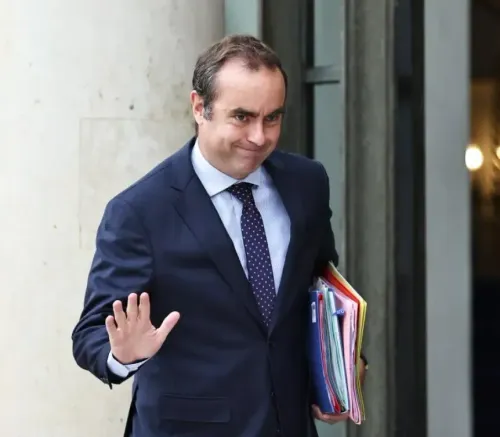
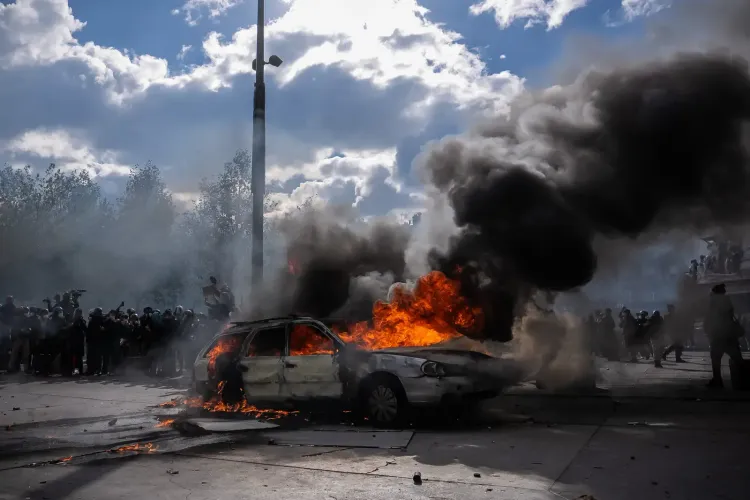
French Prime Minister Sebastien Lecornu on Monday, 19 October announced the immediate rollout of partial curfews across select urban areas of France, citing widespread looting that marred weekend protests drawing roughly 550,000 participants nationwide. The move came as the government scrambled to restore order after one of the country's most disruptive protest weekends in recent memory.
What Lecornu Announced
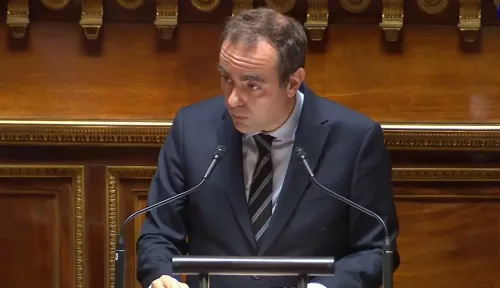
Speaking at a news conference, Lecornu said he had directed French prefects to impose 'a number of partial curfews as early as this evening,' characterising the disorder as 'very localised in urban centres.' The Interior Ministry was tasked with releasing a detailed map of affected zones by Monday afternoon.
Lecornu also left the door open for escalation, stating that a state of emergency would be declared 'if necessary,' but maintained that targeted curfews 'appear to be more appropriate' at this stage. 'There is no question of allowing the looting to become established,' he said.
Scale of the Weekend Unrest
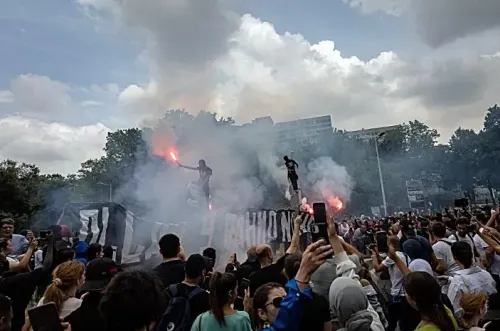
The protests on Saturday drew around 550,000 people across France. According to figures released by the French Interior Ministry, 2,397 people were arrested and 997 police officers and gendarmes were injured during the demonstrations, with seven of those injuries described as serious.
French Trade Minister Serge Papin estimated that at least 3,000 businesses were affected by damage and looting over the weekend. The scale of commercial damage has prompted an emergency government response on the economic front as well.
Economic Relief Measures
To cushion shopkeepers hit by the unrest, Lecornu announced that partial unemployment measures would be activated from Tuesday for affected traders. Public funding would also be channelled to support damaged businesses, though he stressed that financial assistance 'makes no sense if we are not capable of restoring order as quickly as possible.'
Marseille Gatherings Banned
The police prefecture of Bouches-du-Rhone in southern France moved swiftly, banning all gatherings and demonstrations across Marseille from noon to 8 pm local time (1800 GMT) on Monday, according to a post on X by the police prefecture.
Macron's Response and Broader Context
French President Emmanuel Macron has vowed legal action against those responsible for the weekend's violence. The protests are part of a broader wave of unrest that reportedly swept major European cities over the weekend, driven by mounting public anger over surging living costs, housing shortages, and strained public services.
Analysts note this is not an isolated episode — France has periodically experienced mass protest movements, from the Gilets Jaunes in 2018 to pension-reform demonstrations in 2023. The current unrest, however, appears to carry a wider socioeconomic dimension that could intensify pressure on the Lecornu government in the weeks ahead.
Point of View
Yet firm enough to signal governmental resolve. The risk is that partial measures satisfy neither civil liberties advocates nor business owners demanding faster order restoration. With 3,000 businesses looted in a single weekend, the economic cost is already concrete — and the government's credibility on public order is squarely on the line. France's recurring protest cycle, from Gilets Jaunes to pension strikes to now, suggests that policing alone without addressing the underlying cost-of-living pressures rarely puts the fire fully out.
NationPress
19 Oct 2026
Frequently Asked Questions
Why did France impose partial curfews on 19 October 2026?
French Prime Minister Sebastien Lecornu ordered partial curfews in select urban areas on 19 October 2026 following widespread looting and violence that accompanied weekend protests. Around 550,000 people took to the streets on Saturday, resulting in 2,397 arrests and injuries to 997 police officers and gendarmes.
What is the extent of damage caused by the France protests?
French Trade Minister Serge Papin estimated that at least 3,000 businesses were affected by looting and damage during the weekend protests. The government has announced partial unemployment measures for affected shopkeepers starting Tuesday, along with public funding support for businesses.
Could France declare a state of emergency?
Prime Minister Lecornu said a state of emergency would be declared 'if necessary,' but indicated that targeted partial curfews are currently considered more appropriate. The decision will likely depend on whether order is restored swiftly in affected urban centres.
What restrictions were imposed in Marseille?
The police prefecture of Bouches-du-Rhone banned all gatherings and demonstrations in Marseille from noon to 8 pm local time (1800 GMT) on Monday, 19 October, according to an official post on X by the police prefecture.
What is driving the protests in France and Europe?
The protests reflect mounting public anger over surging living costs, housing shortages, and strained public services — grievances reportedly shared across multiple major European cities, where tens of thousands also took to the streets over the same weekend.