Genocide Watch flags Pakistan at multiple risk stages over rights abuses
Synopsis
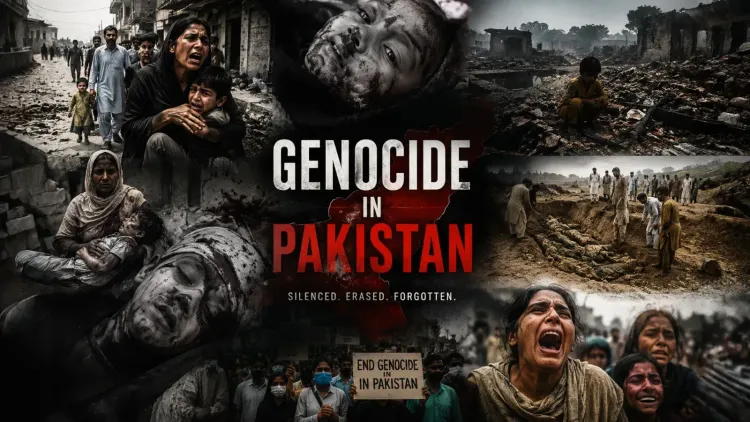
Genocide Watch has simultaneously placed Pakistan at four stages of its genocide risk framework — Discrimination, Organisation, Polarisation, and Persecution — in a May 2025 alert that is rare in its breadth. The report's call for EU trade pressure and a UN 'country of special concern' designation signals that international scrutiny of Islamabad's human rights record is moving beyond rhetoric.
Key Takeaways
Genocide Watch issued a monitoring alert for Pakistan in May 2025 , placing it at four simultaneous risk stages .
Targeted groups include Christians, Hindus, Buddhists, Shia Muslims, Ahmadiyya , women, political opposition, and LGBTQ individuals.
Christians make up just 1.8% of Pakistan's population and are described as 'particularly marginalised.' Pakistan ranked last in the World Economic Forum's Global Gender Gap Index .
A Lahore High Court ruling in 2025 validated marriages after puberty under Islamic law, with millions of girls reportedly wed before age 18 .
Genocide Watch has urged the EU to use GSP+ procedures and the UN to designate Pakistan a 'country of special concern.'
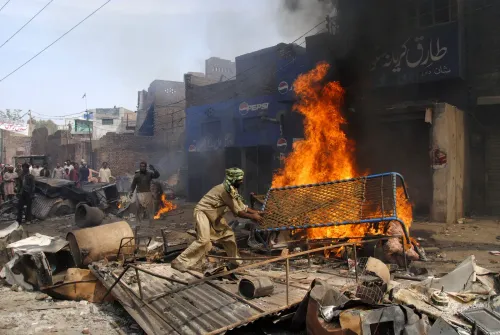
International genocide monitoring organisation Genocide Watch has issued a formal alert calling for heightened monitoring of Pakistan, placing the country simultaneously at Stage 3 (Discrimination), Stage 5 (Organisation), Stage 6 (Polarisation), and Stage 9 (Persecution) of its genocide risk framework. The alert, published earlier in May 2025, cites systemic violence and discrimination against religious minorities, women, political dissidents, and LGBTQ individuals as the primary drivers.
What the Alert Says
The Genocide Watch report states that discrimination against women and minorities is 'deeply embedded in society, and violence against them is both widespread and tolerated.' It further notes that 'deepening divisions along religious, gender, and political lines, reinforced by restrictive laws, censorship, and weak protections,' have pushed Pakistan to Stage 6: Polarisation. The continued targeting of vulnerable groups through violence, persecution, and displacement, the report adds, reflects elements of Stage 9: Persecution.
Turkish journalist Uzay Bulut, writing for American media outlet PJ Media, explained that these stages 'refer to the developments or circumstances that cause, incite, or bring about the deliberate destruction of a national, ethnic, racial, or religious group.'
Groups at Risk
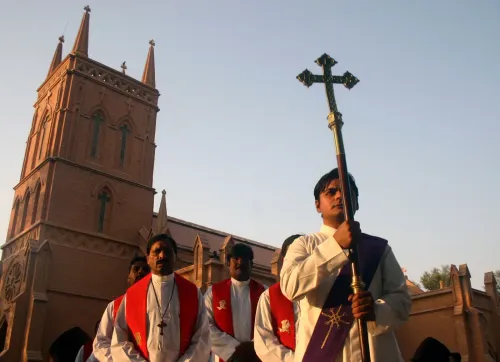
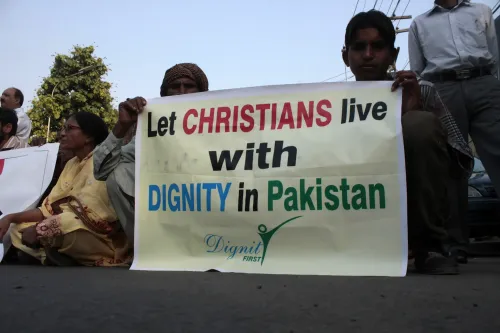
The alert identifies several communities as primary targets: religious minorities including Christians, Buddhists, Hindus, Shia Muslims, and the Ahmadiyya community, alongside the political opposition, women, and gay individuals. Christians, who comprise just 1.8 per cent of Pakistan's population, are described as 'particularly marginalised,' facing challenges ranging from everyday discrimination to threats of deadly violence, according to Bulut.
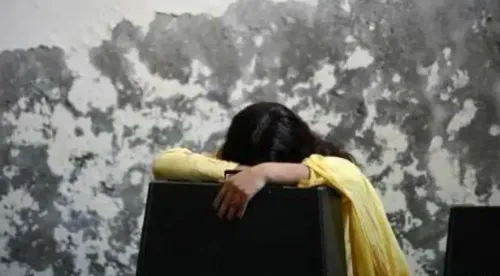
Women face what the report characterises as the most severe consequences, including acid attacks, forced and child marriages, rape, trafficking, forced conversion, and domestic abuse. Notably, a Lahore High Court ruling in 2025 declared marriages after puberty valid under Islamic law, with millions of girls reportedly married before the age of 18. Pakistan ranked last in the World Economic Forum's Global Gender Gap Index.
Press Freedom and Civil Society Under Pressure
The Genocide Watch report also flags a severe deterioration in civic space. Journalists, activists, and academics reportedly face censorship, violence, threats, arbitrary arrests, and murder — acts the report attributes to the Pakistani government. This climate has contributed to growing self-censorship and a sharp contraction of public discourse, according to the findings.
The Holocaust Memorial Day Trust (HMDT) has previously noted that 'genocide never just happens,' adding that 'there is always a set of circumstances which occur or which are created to build the climate in which genocide can take place' — a framing that contextualises the multi-stage risk assessment applied to Pakistan.
International Recommendations
Genocide Watch has urged the European Union (EU) to deploy its GSP+ trade review procedures to pressure Islamabad into enacting meaningful reforms on religious freedom, freedom of expression, and women's rights. The organisation has also called on the United Nations High Commissioner for Human Rights to formally designate Pakistan a 'country of special concern,' citing its record of abuses against ethnic and religious minorities.
Whether these recommendations translate into formal diplomatic or trade action remains to be seen, as both the EU and UN have historically been cautious about escalating pressure on nuclear-armed states.
Point of View
And the recommendation to invoke it is more actionable than a UN designation. The 2025 Lahore High Court ruling on puberty-age marriages is the sharpest domestic policy signal in the report — it is not a legacy statute but a fresh judicial endorsement of child marriage, which makes the 'ongoing reform' argument difficult to sustain. Islamabad's nuclear status has historically insulated it from the hardest international accountability mechanisms, and that asymmetry remains the central obstacle to translating this alert into binding consequences.
NationPress
15 Oct 2026
Frequently Asked Questions
What is the Genocide Watch alert for Pakistan about?
Genocide Watch issued a formal monitoring alert for Pakistan in May 2025, placing the country at four stages of its genocide risk framework — Stage 3 (Discrimination), Stage 5 (Organisation), Stage 6 (Polarisation), and Stage 9 (Persecution). The alert cites systemic abuses against religious minorities, women, political dissidents, and LGBTQ individuals.
Which groups are identified as being at risk in Pakistan?
The report identifies Christians, Hindus, Buddhists, Shia Muslims, and the Ahmadiyya community as primary targets, alongside women, political opposition members, and gay individuals. Christians, who make up just 1.8% of the population, are described as particularly marginalised.
What does the Genocide Watch stages framework mean?
Genocide Watch's stages framework identifies the conditions and circumstances that can lead to the deliberate destruction of a national, ethnic, racial, or religious group. Being placed at multiple stages simultaneously indicates that several risk factors are present and compounding at the same time.
What international action has Genocide Watch recommended?
Genocide Watch has urged the European Union to use its GSP+ trade review procedures to pressure Pakistan on reforms in religious freedom, freedom of expression, and women's rights. It has also called on the UN High Commissioner for Human Rights to designate Pakistan a 'country of special concern.'
How does the 2025 Lahore High Court ruling relate to the alert?
In 2025, the Lahore High Court ruled that marriages after puberty are valid under Islamic law, a decision the report links to the continued prevalence of child marriage in Pakistan, with millions of girls reportedly married before the age of 18. The ruling is cited as evidence of institutionalised discrimination against women.