What caused the extensive damage on Greece's northeast islands?

Synopsis
As Greece grapples with the aftermath of devastating storms, local authorities report widespread destruction across the northeastern Aegean islands. From flooded homes to damaged crops, the impacts of climate change are becoming increasingly apparent.
Key Takeaways
Severe storms have caused extensive flooding in Greece's northeastern Aegean islands.
Kalloni and Samos Island were among the hardest hit areas.
Local authorities have requested emergency aid from the government.
Farmers are demanding support amidst rising production costs and climate challenges.
Scientists attribute the increase in extreme weather events to climate change .
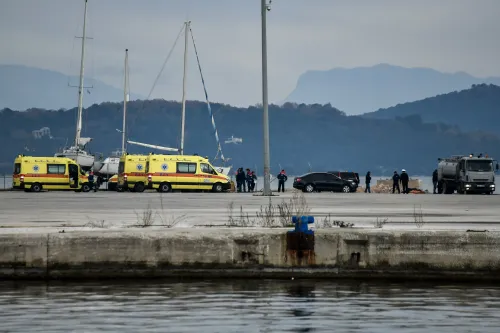
Athens, Nov 12 (NationPress) Over the last 24 hours, Greece's northeastern Aegean islands have been struck by intense rainfall and hailstorms, leading to severe flooding and significant destruction to residential areas, businesses, and agricultural lands, as reported by local authorities.
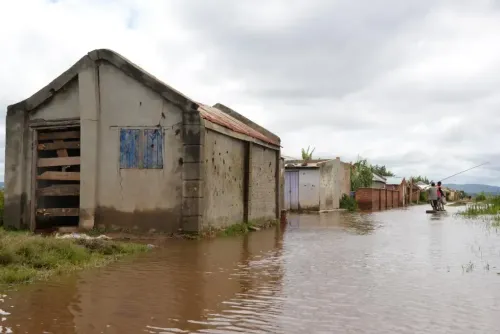
On Lesvos Island, the town of Kalloni faced the brunt of the storm, with streets, residences, and numerous shops inundated after the Tsiknias River overflowed. In certain locations, floodwaters surged to heights of up to 1.3 meters, while emergency teams tirelessly worked to extract water from buildings, as per Xinhua news agency.
Officials indicated that the flooding was exacerbated by debris obstructing a nearby bridge. The historic Kremasti Bridge also incurred damage when floodwaters pushed a large shipping container against it.
Meanwhile, on Samos Island, a powerful storm overnight unleashed torrential rain and hailstones described as 'the size of small walnuts.' This extreme weather resulted in flooded homes and damaged roadways, with heavy hail causing destruction to olive crops during the peak of the harvest season.
Local officials have sought emergency financial assistance from the government to restore infrastructure and aid affected farmers.
In recent years, Greece has witnessed a rise in severe weather events, which scientists attribute to climate change.
On Tuesday, thousands of farmers and livestock breeders protested across Greece, demanding the government enhance financial support for the nation’s primary production sector.
In Athens, union representatives from various regions gathered outside the Ministry of Rural Development and Food for a rally organized by the National Union of Agricultural Cooperatives.
Waving banners and chanting slogans like 'No farmers, no food, no future,' the demonstrators called for expedited distribution of subsidies and compensation for losses resulting from natural disasters and livestock diseases.
Farmers also urged for additional help to manage rising production costs and the repercussions of a recent outbreak of sheep and goat pox, which has led to the culling of approximately 400,000 animals nationwide this year.
Point of View
It is clear that Greece is facing a critical juncture. The increasing frequency of extreme weather events demands not only immediate relief efforts but also long-term strategies to build resilience against climate change. The voices of farmers are crucial in advocating for necessary support, and their demonstrations highlight the urgent need for government action.
NationPress
8 Oct 2026
Frequently Asked Questions
What caused the flooding in Greece's northeastern Aegean islands?
The flooding was primarily caused by heavy rainfall and hailstorms, which overwhelmed local drainage systems and led to significant water accumulation.
How are local authorities responding to the damage?
Local officials have requested emergency financial aid from the government to assist in repairing infrastructure and support affected farmers.
What long-term factors contribute to these weather events?
Scientists link the increasing severity of weather events in Greece to climate change, emphasizing the need for adaptation strategies.
What are farmers demanding from the government?
Farmers are calling for stronger financial support, expedited subsidies, and compensation for losses due to natural disasters and livestock diseases.
What impact did the storms have on agriculture?
The storms caused significant damage to crops, particularly olives, during the crucial harvest season, affecting the livelihoods of many farmers.