Hanoi Reports 29 COVID-19 Infections Since January 2023
Synopsis
As of March 31, Hanoi has reported 29 COVID-19 cases in 2023 without any fatalities. Authorities encourage vigilance and adherence to health protocols amidst rising infections and the emergence of new variants.
Key Takeaways
29 COVID-19 cases reported in Hanoi since January.
No deaths reported Health authorities emphasize preventive measures .
Monitoring of new variants like BA.3.2 and Cicada .
Importance of vaccination and public vigilance.
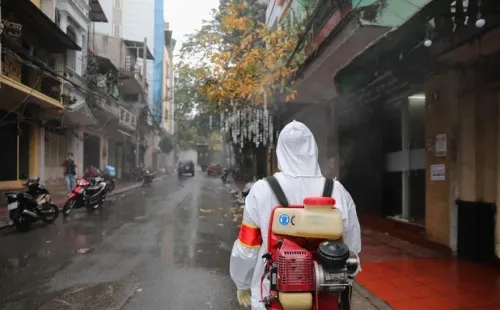
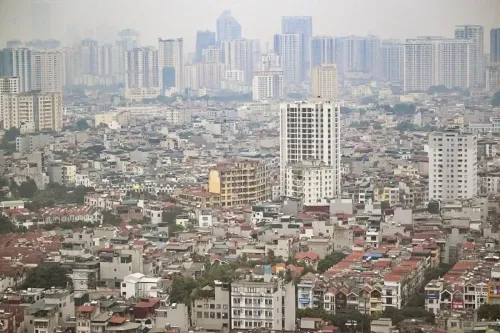
Hanoi, March 31 (NationPress) The capital of Vietnam, Hanoi, has identified 29 COVID-19 cases since the year's beginning, with no fatalities reported, according to a Tuesday article from the local publication Tuoi Tre.
The Hanoi Centre for Disease Control has documented 17 new infections across 12 different communes and wards from March 20 to March 27, a rise from just three cases noted the prior week.
Concerning the BA.3.2 variant, which is under observation by the World Health Organization (WHO), local health authorities have reassured the public to remain calm while staying vigilant. The WHO has indicated that this variant exhibits certain antigenic alterations and immune evasion properties in laboratory settings.
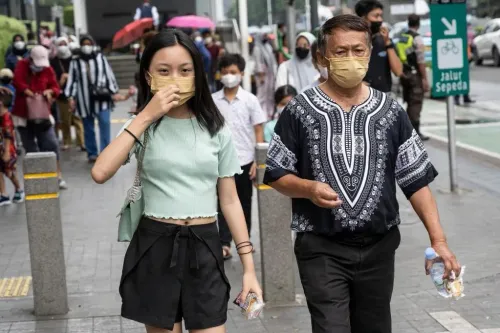
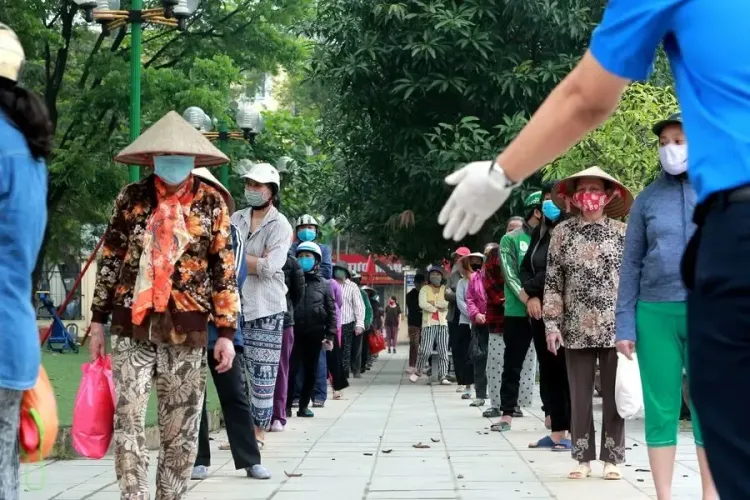
The health department has encouraged residents to adhere to preventive strategies such as wearing masks in crowded or enclosed environments, regular sanitization, and seeking medical assistance if symptoms worsen, as reported by the Xinhua news agency.
Moreover, a newly identified variant of COVID-19, informally referred to as Cicada, has been discovered in localized clusters across various regions, prompting scientists to carefully observe its characteristics and potential effects.
The WHO defines COVID-19 as a contagious disease caused by the SARS-CoV-2 virus.
Most individuals infected with this virus will typically experience mild to moderate respiratory symptoms and recover without requiring specialized treatment. However, some may develop severe illness requiring medical care. Individuals who are elderly or have pre-existing health issues, such as cardiovascular disease, diabetes, chronic respiratory conditions, or cancer, face a higher risk of severe illness. COVID-19 can affect anyone, leading to serious health complications or even death.
The most effective way to prevent and reduce transmission is to be well-informed regarding the disease and its modes of transmission. Safeguard yourself and others from infection by maintaining a distance of at least 1 meter from others, wearing a properly fitted mask, and frequently washing your hands or using an alcohol-based sanitizer. Vaccination is crucial when eligible, and following local health guidelines is essential.
The virus is capable of spreading through tiny liquid particles expelled from an infected person's mouth or nose during actions such as coughing, sneezing, talking, singing, or breathing. These particles can vary in size from larger respiratory droplets to smaller aerosols. It is vital to practice respiratory hygiene, such as coughing into a flexed elbow, and to stay home and self-isolate until recovery if you feel unwell.
Point of View
It is vital for the public to remain informed and proactive regarding health measures as COVID-19 continues to impact daily life in Vietnam, especially with the emergence of new variants. The health authorities are doing their utmost to ensure community safety.
NationPress
13 Sept 2026
Frequently Asked Questions
What measures can I take to prevent COVID-19?
To prevent COVID-19, maintain physical distance, wear a properly fitted mask in crowded spaces, frequently wash your hands, and seek vaccination when eligible.
Is the BA.3.2 variant dangerous?
The BA.3.2 variant shows some changes that may allow it to evade immune responses, but health authorities advise not to panic and to stay vigilant.
What should I do if I have symptoms of COVID-19?
If you experience symptoms of COVID-19, seek medical advice, self-isolate, and get tested to confirm your status.
Why is wearing a mask important?
Wearing a mask helps to reduce the spread of the virus by trapping droplets that may carry the virus when you cough, sneeze, or talk.
Can anyone get seriously ill from COVID-19?
Yes, while many people experience mild symptoms, individuals with underlying health conditions or older adults are at a higher risk of severe illness.