India-Malaysia Harimau Shakti drill in Ipoh focuses on drones
Synopsis
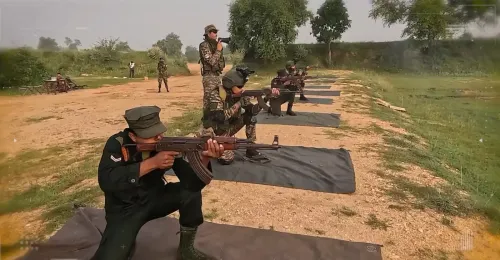
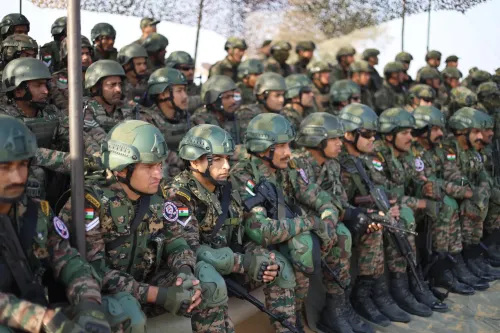
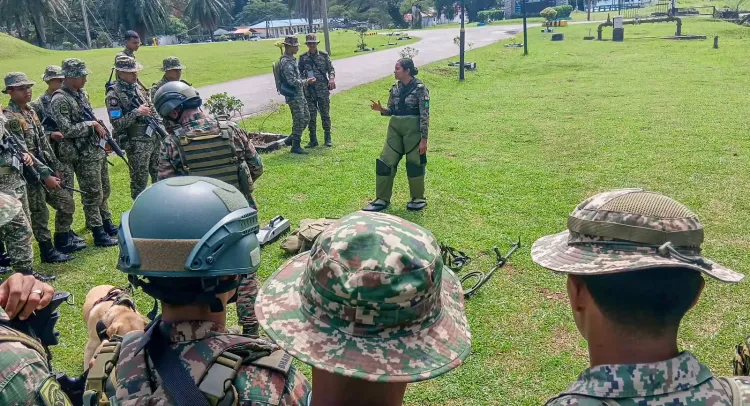
Drones are at the heart of the sixth India-Malaysia Harimau Shakti exercise in Ipoh. Each side has sent 120 troops to practise both deploying drones and shooting down hostile ones. The drills rehearse counter-terror operations in jungle and semi-urban terrain under a UN Chapter VII mandate.
Key Takeaways
The 6th edition of the India-Malaysia exercise Harimau Shakti is underway in Ipoh, Malaysia .
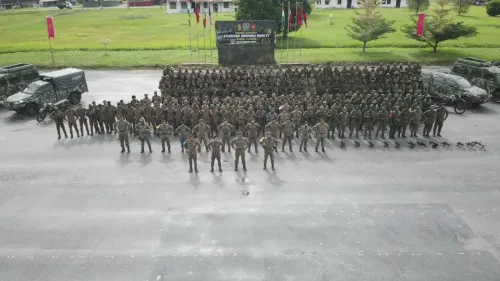
The drill runs from 19 November to 30 November 2026 , with 120 personnel from each country.
Training focuses on UAS for surveillance and C-UAS capabilities to detect and neutralise hostile drones.
Troops are rehearsing counter-terrorism operations under Chapter VII of the UN mandate in jungle and semi-urban terrain.
The exercise will end with a joint validation exercise based on a simulated counter-terrorism scenario.
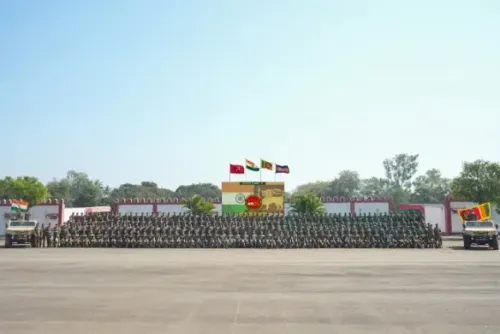
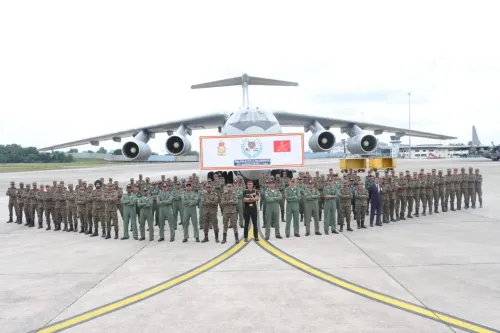
India and Malaysia are holding the sixth edition of their joint military exercise, Harimau Shakti, in the Malaysian city of Ipoh. The drill aims to improve military interoperability and deepen defence ties between the two countries. The exercise began on 19 November 2026 and runs until 30 November 2026. It involves 120 personnel from each side and focuses on the combined use of Unmanned Aerial Systems (UAS) and Counter-Unmanned Aerial System (C-UAS) capabilities.
What the Indian Army Said
In a post on X on Friday, the Indian Army said troops from both sides are taking part in a series of joint training activities. These include tactical drills and operational planning designed to sharpen their skills for sub-conventional operations.
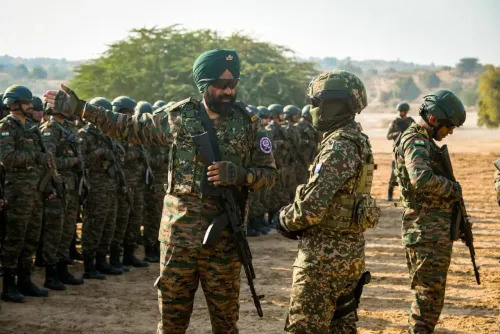
“The 6th edition of the India-Malaysia Joint Military Exercise Harimau Shakti is underway at Ipoh, Malaysia. Troops of both Armies are undertaking joint tactical drills, operational planning and integrated training activities, leveraging modern technologies to refine tactics, techniques and procedures for sub-conventional operations,” the Army posted.
“The exercise provides a valuable platform to enhance interoperability, exchange operational experiences and share best practices, while strengthening professional camaraderie, mutual understanding and defence cooperation between India and Malaysia,” it added.
Counter-Terrorism Under a UN Mandate
According to the Ministry of Defence, the exercise rehearses sub-conventional operations under Chapter VII of the United Nations mandate. The main emphasis is on coordinating responses during counter-terrorism operations.
“The exercise will focus on coordinated operations in jungle and semi-urban terrain, incorporating joint planning, tactical coordination and the employment of emerging technologies to enhance interoperability and operational effectiveness,” the ministry said in a statement.
Chapter VII deals with UN-authorised action in response to threats to international peace and security. Training under this framework prepares both armies to operate side by side in multinational peacekeeping and stabilisation missions.
Drones Take Centre Stage
The ministry said the exercise was structured in progressive phases. It began with cross-training and familiarisation with each other's operational procedures, followed by joint tactical drills.
“Training activities will include establishment of a Joint Command Post and Surveillance Centre, counter-terrorism operations, raids, cordon-and-search operations and combat engineering drills,” the statement said. It added that there would be special emphasis on using UAS for reconnaissance and surveillance, along with C-UAS capabilities “to detect and neutralise hostile drones.”
The focus on both drone deployment and drone defence reflects how quickly unmanned systems have become central to counter-terrorism and irregular warfare. Jungle and semi-urban terrain make ground surveillance difficult, which gives aerial reconnaissance a clear advantage in such settings.
What Happens Next
The exercise will end with a joint validation exercise built around a simulated counter-terrorism scenario. This final stage will combine coordinated ground operations, integrated surveillance and the use of unmanned systems.
As Harimau Shakti moves into its final days, the validation phase will test how well the two armies can turn shared training into coordinated action. The results could shape future defence cooperation between New Delhi and Kuala Lumpur.
Point of View
Even in jungle counter-insurgency settings. For India, steady drills with Southeast Asian partners like Malaysia are a low-cost way to build regional familiarity and trust. The real test, however, is whether these annual exercises lead to deeper cooperation, such as defence-industrial ties, intelligence sharing and equipment interoperability, rather than remaining yearly showcases.
NationPress
27 Nov 2026
Frequently Asked Questions
What is Harimau Shakti?
Harimau Shakti is a joint military exercise between the Indian and Malaysian armies. The 2026 edition, the sixth, is being held in Ipoh, Malaysia, to improve interoperability and defence cooperation.
When and where is Harimau Shakti 2026 being held?
The exercise is taking place in Ipoh, Malaysia, from 19 November to 30 November 2026. It involves 120 personnel from each country.
What is the focus of the India-Malaysia joint exercise?
The exercise focuses on counter-terrorism and sub-conventional operations under Chapter VII of the UN mandate, in jungle and semi-urban terrain. There is special emphasis on Unmanned Aerial Systems and Counter-Unmanned Aerial System capabilities.
What training activities are included in Harimau Shakti?
Activities include setting up a Joint Command Post and Surveillance Centre, counter-terrorism operations, raids, cordon-and-search operations and combat engineering drills. Troops are also using drones for reconnaissance and training to neutralise hostile drones.
How will Harimau Shakti 2026 conclude?
The exercise will end with a joint validation exercise based on a simulated counter-terrorism scenario. It will combine coordinated ground operations, integrated surveillance and the use of unmanned systems.