Sheikh Hasina's Eid message: Bangladesh in 'deep darkness', 21 months of suffering
Synopsis
Sheikh Hasina's Eid-ul-Adha message was less a seasonal greeting and more a political indictment — detailing 21 months of alleged killings, false cases, child deaths from measles, and a collapsed economy under the BNP government. With the Awami League warning of international silence enabling further violence, the statement signals the exiled former PM is far from politically dormant.
Key Takeaways
Former PM Sheikh Hasina issued an Eid-ul-Adha message on 27 May describing Bangladesh as being in 'profound crisis and hardship'.
She cited 21 months of alleged killings, attacks, and imprisonment of Awami League leaders and activists.
Hasina flagged premature deaths of children from measles, rising violence against women, and economic collapse as signs of 'deep darkness'.
The Awami League accused the Tarique Rahman -led BNP government of governance failure and warned of escalating violence across several districts.
The party called the violence against women and children a 'national emergency' and a 'crisis of governance, justice, and national character'.
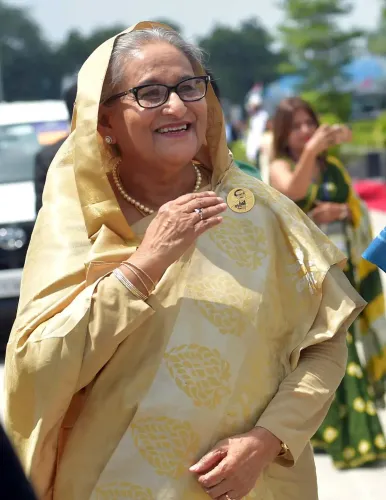
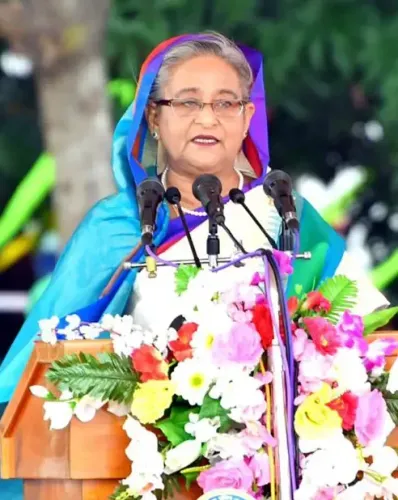
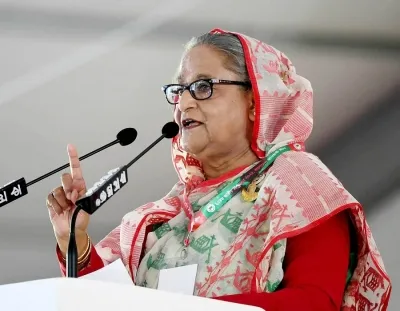
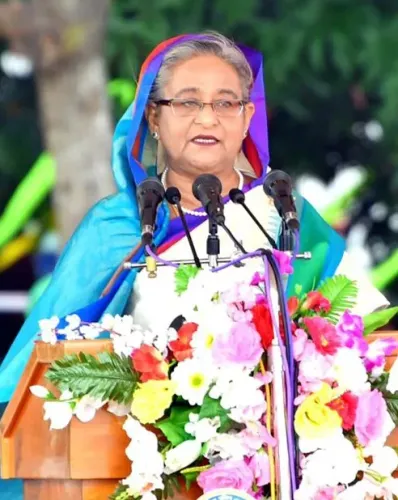
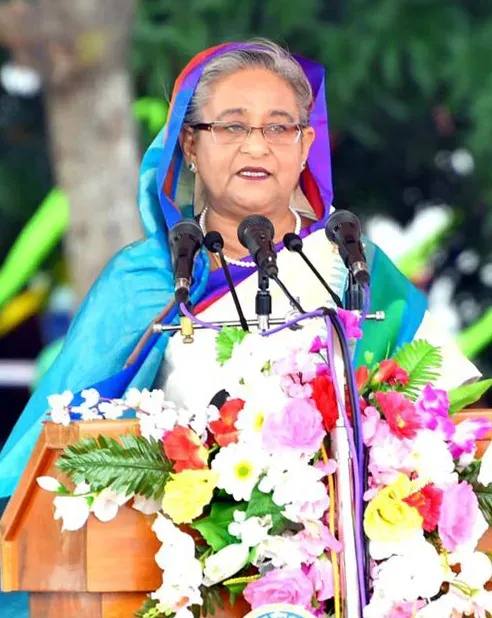
Bangladesh's former Prime Minister Sheikh Hasina on Wednesday, 27 May issued an Eid-ul-Adha message to citizens, describing the country as being in a state of 'profound crisis and hardship' and calling on the spirit of sacrifice to inspire renewed resilience. The message was shared by the Awami League on X (formerly Twitter).
Hasina's Eid Message: Key Concerns
In the statement, Hasina cited 21 months of what she described as relentless persecution of Awami League leaders and activists — including killings, attacks, and imprisonment. 'For the past 21 months, leaders and activists of the Bangladesh Awami League have faced brutal killings, continuous attacks, and false cases, while countless party members remain imprisoned,' she said.
She further pointed to what she characterised as a broader national crisis: 'The premature deaths of hundreds of children from measles, horrific violence and rape against women and children, the collapse of law and order, and a devastated economy have pushed the nation toward deep darkness.'
Appeal for Strength Amid Adversity
Hasina invoked the values of Eid-ul-Adha — sacrifice and devotion — as a source of moral strength. 'Even amid immense adversity, it will give us the strength to dedicate ourselves to truth and the welfare of the country and to remain prepared for any sacrifice necessary,' she noted. The message stopped short of any direct political ultimatum but carried an unmistakable undertone of political mobilisation.
Awami League's Escalating Concerns
The Eid statement follows a series of increasingly urgent warnings from the Awami League in recent weeks. Last week, the party voiced serious concern over targeted attacks on its leaders, activists, and their families that have allegedly continued unabated through 2026. The party warned that the international community's persistent silence could, in its view, push Bangladesh further into prolonged political violence.
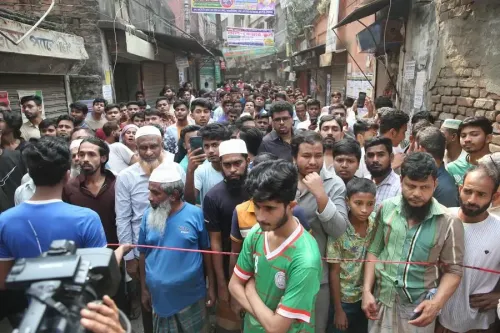
According to the Awami League, attacks and killings are increasing at an alarming rate across several districts, and anyone connected to the party is reportedly no longer safe — even those with no proven wrongdoing. These claims have not been independently verified.
Violence Against Women and Children
Earlier this month, the Awami League stated that Bangladesh continues to grapple with a disturbing rise in violence against women and children in 2026, following what it described as an alarming surge in 2025. The party claimed that women and children across the country are living under constant fear and insecurity, both in public spaces and at home.
The Awami League characterised the recurring incidents as a 'national emergency', accusing the current Tarique Rahman-led Bangladesh Nationalist Party (BNP) government of failing to deliver on its governance promises. 'This is no longer a women's issue. It is a crisis of governance, justice, and national character,' the party said.
What Comes Next
With Eid-ul-Adha approaching and political tensions in Dhaka running high, the international community's response — or continued silence — will be closely watched. The Awami League's increasingly vocal campaign signals that the party, despite being out of power, intends to keep pressure on the current administration and seek global attention for what it describes as a humanitarian and governance crisis.
Point of View
Rape, economic collapse, 21 months of party persecution — reads as a brief for international intervention, not a call for domestic reconciliation. Notably, the Awami League's framing of violence against women as a 'governance crisis' rather than a law-and-order failure is a deliberate rhetorical shift aimed at internationalising the issue. What mainstream coverage underplays is that these are the claims of an exiled opposition party; independent verification of the scale of violence and persecution remains limited. The real question is whether the international community — already stretched thin on multiple crises — will treat this as a genuine humanitarian alarm or as political noise from a displaced incumbent.
NationPress
10 Oct 2026
Frequently Asked Questions
What did Sheikh Hasina say in her Eid-ul-Adha 2026 message?
Sheikh Hasina described Bangladesh as being in 'profound crisis and hardship', citing 21 months of alleged killings, attacks, and false cases against Awami League members. She also raised concerns about child deaths from measles, rising violence against women, and economic collapse, calling on the spirit of Eid to inspire renewed strength.
What is the Awami League's current situation in Bangladesh?
According to the Awami League, its leaders, activists, and their families have faced targeted attacks, killings, and imprisonment that have continued unabated through 2026. The party claims that anyone connected to it is no longer safe, even without proven wrongdoing — though these claims have not been independently verified.
Who is currently governing Bangladesh?
Bangladesh is currently governed by the Bangladesh Nationalist Party (BNP) under Tarique Rahman. The Awami League has accused this government of governance failure, including not curbing political violence or addressing rising crimes against women and children.
Why is the Awami League warning the international community?
The Awami League has warned that the international community's persistent silence on attacks against its members could push Bangladesh further into prolonged political violence and brutality. The party is seeking global attention for what it characterises as a humanitarian and governance crisis.
What is the broader context of violence against women and children in Bangladesh?
The Awami League stated that Bangladesh saw an alarming surge in violence against women and children in 2025, with the trend continuing into 2026. The party described the situation as a 'national emergency' rather than isolated incidents, attributing it to a broader collapse of governance and justice under the current administration.