Is High Maternal Mortality and Gender Inequality Undermining Pakistan's Growth?
Click to start listening
Synopsis
Pakistan's alarming maternal mortality rate and entrenched gender inequalities threaten the nation's development. This report exposes the urgent need for reforms in healthcare, education, and women's empowerment to unlock the potential of half the population. Discover how these issues impact Pakistan's growth trajectory.
Key Takeaways
- Maternal mortality in Pakistan is critically high.
- Access to family planning services is limited.
- Gender-based violence and early marriages affect women's health and economy.
- Governance issues hinder effective policy implementation.
- Comprehensive reforms are necessary for sustainable growth.
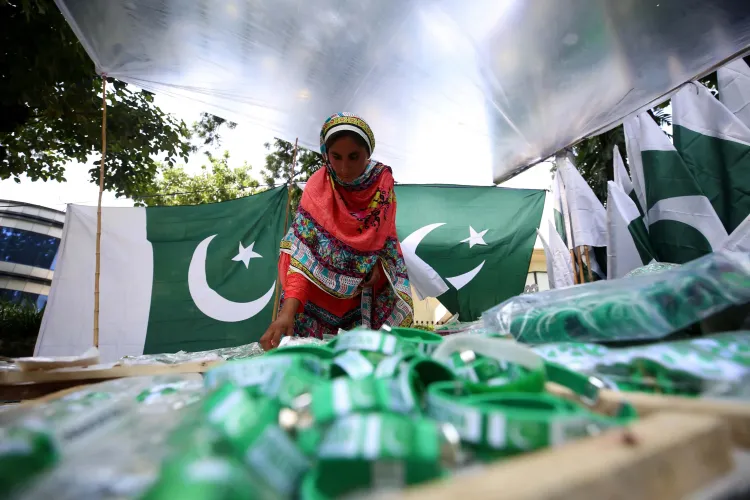
Islamabad, Jan 5 (NationPress) The rate of maternal mortality in Pakistan remains critically high, as millions of women lack access to family planning services. Factors such as early marriages and widespread gender-based violence significantly affect fertility trends, women's participation in the workforce, and the overall development of human capital, according to a recent report released on Monday.
In districts vulnerable to climate change, inadequate health systems and restricted access to essential services amplify the risks, further entrenching inequalities. The report, featured in the prominent Pakistani newspaper Dawn, underscores that expanding sexual and reproductive health services, ensuring girls remain in school, and facilitating women's engagement in the economy are key strategies for promoting informed reproductive choices and achieving sustainable population growth.
With a population surpassing 255 million, Pakistan ranks as the fifth most populous nation globally, a situation often perceived as a crisis needing urgent attention. While there are signs of improved coordination between federal and provincial governments, significant challenges remain.
The report states, “Nations that have overlooked these crucial elements have suffered from stagnant growth and social distress. Pakistan's governance continues to be a stumbling block. Announced policies and commitments are often undermined by poor implementation and lack of accountability, particularly in fiscal planning.”
Furthermore, the report points out that Pakistan’s National Finance Commission award, primarily based on population figures, favors headcounts over actual outcomes, creating a system that offers minimal motivation to enhance health, education, or gender equality.
“An ideal state would incentivize achievements in reducing maternal mortality, increasing female workforce participation, enhancing educational outcomes, and bolstering climate resilience. The new year presents an opportunity. Transitioning from promises to tangible results will necessitate political resolve, consistent domestic funding, and robust oversight,” the report noted.
Additionally, a report from ‘Directus’ in Athens noted that the gender disparity in Pakistan's job market and economic prospects arises from deeply rooted cultural norms, institutional failures, and structural weaknesses.
Addressing these issues demands comprehensive actions such as fortifying labor law enforcement, enhancing access to childcare and safe transportation, promoting digital and financial inclusion, and dismantling discriminatory practices that limit women’s mobility and autonomy.
Without targeted interventions, these disparities risk perpetuating cycles of poverty and underdevelopment, marginalizing half of Pakistan’s populace and their economic capabilities.
Point of View
I affirm our commitment to highlighting the critical issues facing our nation. The high maternal mortality rate and gender inequality are not just women's issues; they are fundamental obstacles to Pakistan's progress. Our approach must be to advocate for policies that promote health, education, and gender equality to ensure a prosperous future for all.
NationPress
08/01/2026
Frequently Asked Questions
What is the current maternal mortality rate in Pakistan?
The maternal mortality rate in Pakistan is alarmingly high, with millions of women lacking access to essential health services.
How does gender inequality affect economic growth in Pakistan?
Gender inequality restricts women's participation in the workforce, leading to underutilization of half the population's economic potential.
What measures can be taken to improve women's health in Pakistan?
Expanding access to family planning services, enhancing education for girls, and promoting women's economic participation are vital measures.
How does the National Finance Commission award impact health outcomes?
The award is based on population size rather than outcomes, providing little incentive for improvements in health and education.
What are the long-term consequences of ignoring these issues?
Failure to address maternal mortality and gender inequality risks perpetuating poverty and stunting the nation’s development.