Highway crash in Afghanistan's Laghman kills 7, injures 2
Synopsis
At least seven people died on the spot when a speeding vehicle rammed a three-wheeled motorcycle in Afghanistan's Laghman province — the fourth major fatal highway crash recorded across the country in under two weeks. The pattern points to a deepening road safety crisis in a nation where deteriorating infrastructure and reckless driving continue to claim lives with little accountability.
Key Takeaways
Seven people were killed and two injured in a highway crash in Laghman province, Afghanistan on Saturday, 8 November 2026 .
The collision occurred in the Mashli area, Qarghayi district when a speeding vehicle struck a three-wheeled motorcycle on the Kabul–east highway .
On 4 November , a separate crash in Balkh province killed 3 and injured 4 , attributed to reckless driving.
On 1 November , a truck-rickshaw collision in Laghman killed 2 and injured 3 .
On 30 October , a bus-tanker collision on the Salang Highway in Baghlan killed 5 and injured 20 .
Deteriorating road conditions, reckless driving, and inadequate safety infrastructure are cited as systemic causes.
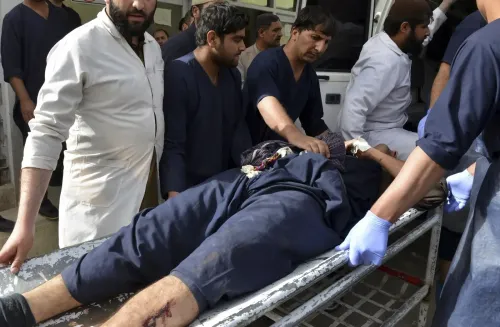
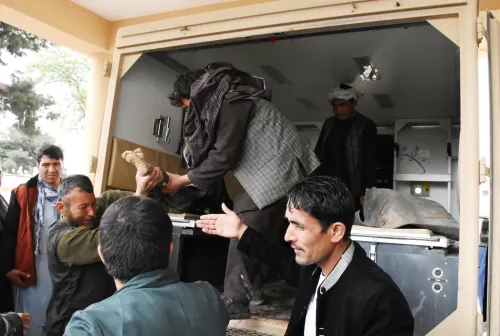
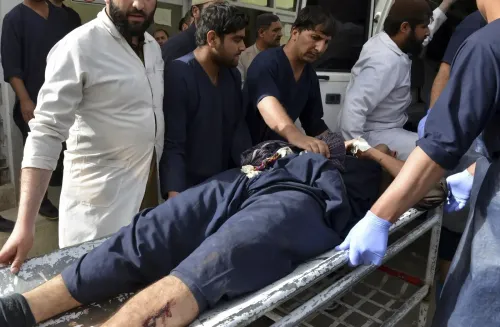
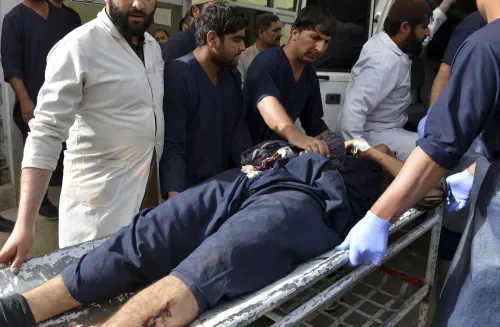
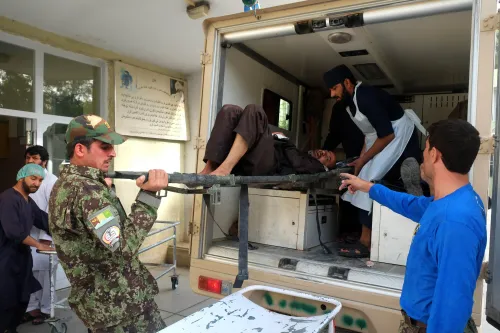
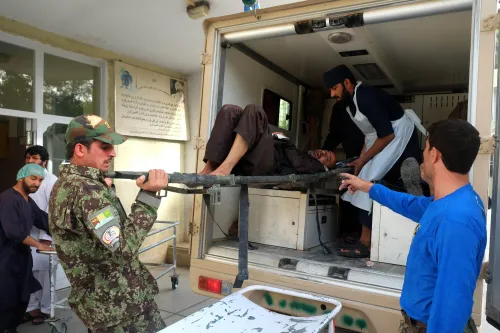
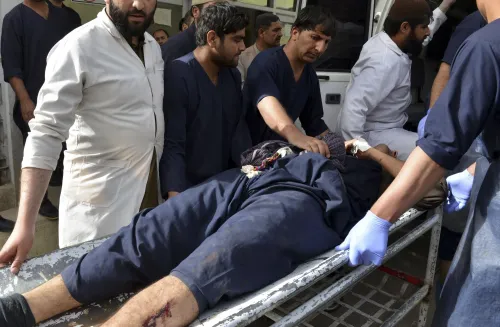
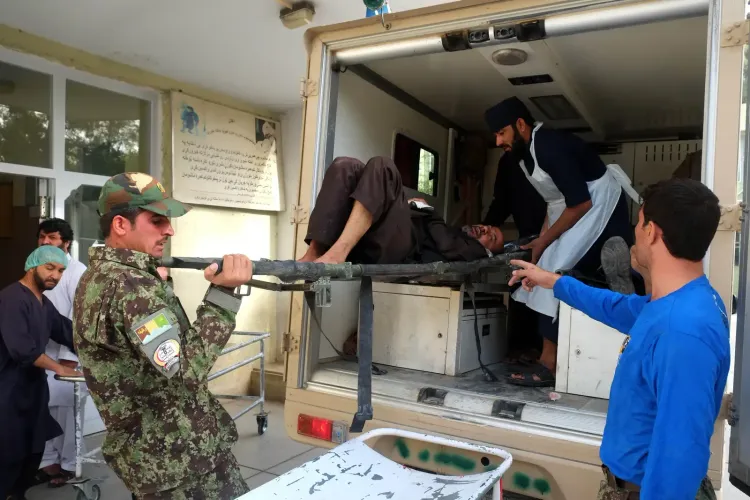
At least seven people were killed and two others injured after a speeding vehicle struck a three-wheeled motorcycle on a major highway in eastern Afghanistan's Laghman province on Saturday, 8 November 2026, the provincial police office confirmed. All casualties were transported to Laghman's provincial hospital for treatment.
How the Crash Happened
The collision occurred in the Mashli area of Qarghayi district, along the highway linking Kabul to Afghanistan's eastern provinces. According to police, a speeding vehicle rammed into a three-wheeled motorcycle, killing seven people at the scene and leaving two others with injuries. The injured were subsequently transferred to the provincial hospital for further medical care.
A Pattern of Fatal Road Accidents
This latest tragedy is part of a troubling pattern of deadly highway collisions across Afghanistan in recent weeks. On 4 November, at least three people were killed and four others injured — several critically — when two high-speed vehicles collided on the highway connecting Kabul to Afghanistan's northern provinces in Balkh province. Police attributed that crash to reckless driving.
Earlier, on 1 November, at least two people were killed and three others injured in Laghman province itself, when a Hino truck collided with a rickshaw in the Azizkhan Kas region along the same Kabul-east highway. Reckless driving was again cited as the primary cause.
On 30 October, five commuters were killed and 20 others injured — some critically — when a passenger bus collided head-on with an oil tanker on the Salang Highway in northern Baghlan province. Driver negligence was attributed as the cause, and an investigation was reported to be underway.
Why Afghanistan's Roads Remain Deadly
Deadly road accidents remain a persistent and growing concern in Afghanistan, where deteriorating road infrastructure, reckless driving, inadequate safety enforcement, and challenging terrain combine to create dangerous conditions. The country's prolonged conflict has left highways poorly maintained and emergency response services severely stretched. Critics argue that without sustained investment in road safety and infrastructure, casualty figures will continue to climb.
What Happens Next
Authorities have not announced any immediate crackdown on reckless driving following the latest incident in Laghman. With at least four major highway accidents recorded across Afghanistan in under two weeks, pressure is likely to mount on provincial administrations to address road safety as a public health emergency.
Point of View
More than 17 people dead across Laghman, Balkh, and Baghlan — Afghanistan's road safety crisis is not episodic, it is structural. Each incident is attributed to reckless driving and poor infrastructure, yet no coordinated national response has emerged. In a country where state capacity is severely constrained, the absence of even a basic road safety enforcement mechanism means these casualties will keep mounting quietly, with little scrutiny. The story mainstream coverage keeps missing is not the individual crash but the cumulative death toll that rivals low-intensity conflict in its consistency.
NationPress
8 Nov 2026
Frequently Asked Questions
What happened in the Laghman highway accident on 8 November 2026?
A speeding vehicle struck a three-wheeled motorcycle in the Mashli area of Qarghayi district, along the Kabul-to-east highway in Laghman province, killing seven people at the scene and injuring two others. All casualties were taken to Laghman's provincial hospital for treatment.
How many people have died in Afghanistan highway accidents in November 2026?
At least 12 people have been confirmed killed across three separate highway accidents in Laghman and Balkh provinces between 1 and 8 November 2026, with dozens more injured. A late-October crash on the Salang Highway added five more fatalities.
What is causing so many road accidents in Afghanistan?
Authorities and observers cite a combination of reckless and high-speed driving, deteriorating road conditions, inadequate safety infrastructure, and challenging terrain as primary causes. Years of conflict have left highways poorly maintained and emergency services stretched thin.
Where did the 30 October bus accident in Afghanistan occur?
The 30 October crash occurred on the Salang Highway in Baghlan province, northern Afghanistan, when a passenger bus collided head-on with an oil tanker. Five commuters were killed and 20 others injured, some critically; driver negligence was cited as the cause.
Has the Afghan government taken any action on road safety?
No immediate crackdown or coordinated national response has been announced following the recent series of fatal crashes. Provincial police have attributed individual incidents to reckless driving, but a broader enforcement or infrastructure remediation plan has not been publicly outlined.