Houthis deny Mecca drone attack as Saudi coalition claims interception
Synopsis
The Saudi-led coalition says it shot down a Houthi drone over the Mecca region on 30 October — but the Houthis flatly deny it. With both sides posting rival claims directly on X, the incident echoes a near-identical denial from September and underscores how the Yemen war's information battlefield is as contested as the physical one.
Key Takeaways
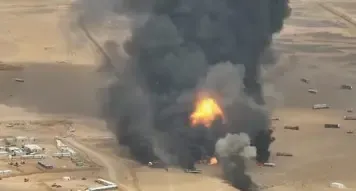
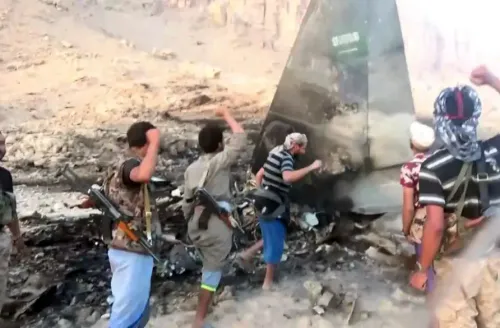
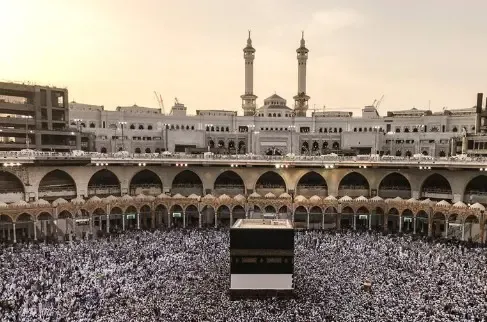
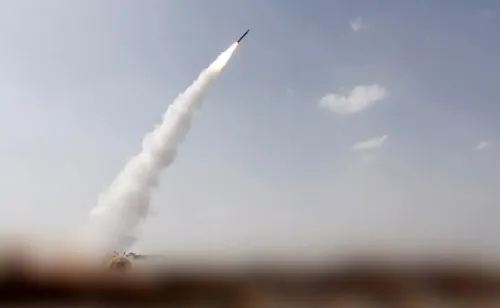
Saudi-led coalition spokesperson Turki Al-Maliki announced on X that a Houthi drone was intercepted and destroyed over the Mecca region on Friday, 30 October 2026 .
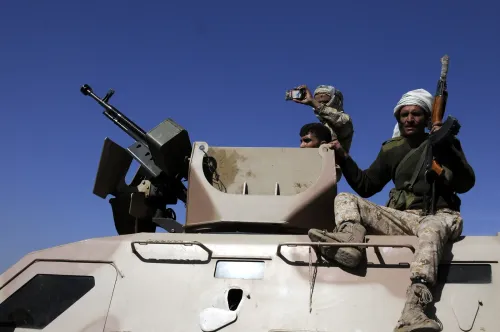
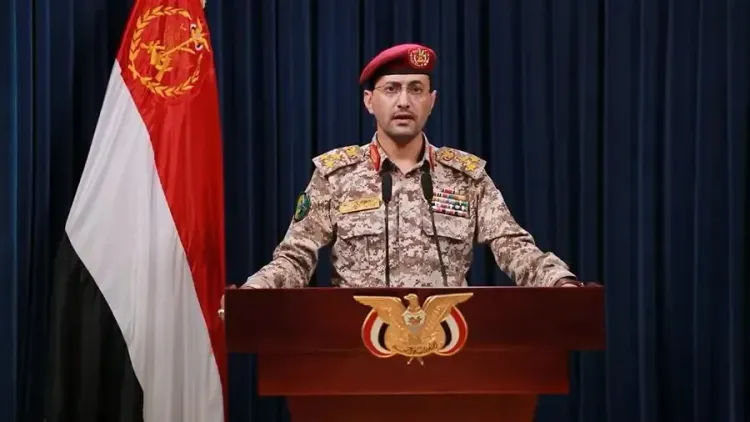
Houthi military spokesperson Yahya Sarea denied the claim on X , calling it 'false' and stating the group conducted 'no operations toward Saudi territory' that day.
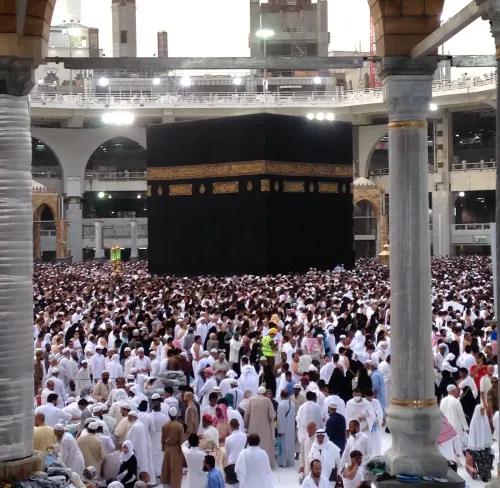
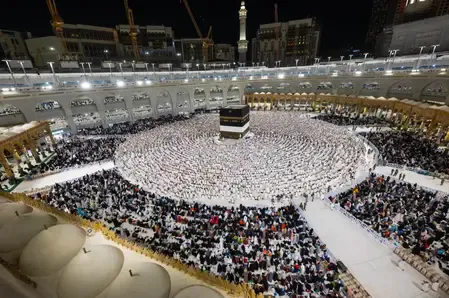
Al-Maliki described the security of Islam's two holiest sites as a 'red line' and warned of 'necessary measures.' The coalition said this was allegedly the second Houthi attempt to target Mecca , following a claimed ballistic missile attack on 27 July 2017 .
Yemen has been in conflict since 2014 , with the Saudi-led coalition intervening in 2015 ; recent weeks have seen escalating cross-border strikes from both sides.
Yemen's Houthi group on Friday, 30 October 2026, flatly denied launching any drone or missile toward Saudi Arabia, hours after the Saudi-led coalition announced it had intercepted and destroyed a Houthi drone over the Mecca region — home to Islam's holiest city. The conflicting claims have ratcheted up tensions in one of the Middle East's most protracted conflicts.
The Competing Claims
Houthi military spokesperson Yahya Sarea posted a statement on social media platform X, calling the Saudi interception claim 'false' and asserting that his group carried out 'no operations toward Saudi territory' on Friday. His denial came within hours of Saudi-led coalition spokesperson Turki Al-Maliki announcing on X that a Houthi drone had been intercepted and destroyed in the Mecca region before it could enter the holy city's restricted airspace.
Al-Maliki described the security of Islam's two holiest sites and pilgrims as a 'red line,' warning that 'necessary measures' would be taken in response. He said the incident was, according to the coalition, the second alleged Houthi attempt to target Mecca — the first being a ballistic missile attack reportedly on 27 July 2017.
A Pattern of Escalation
The latest exchange is set against a backdrop of sharpening cross-border hostilities. Recent weeks have seen Saudi strikes hitting Houthi-held areas in Yemen, while the Houthis have launched missiles and drones toward Saudi territory. The cycle of attack and denial has become a recurring feature of this conflict.
Notably, as recently as September, Houthi supreme leader Abdul-Malik al-Houthi rejected similar accusations in a televised address broadcast on Houthi-run al-Masirah TV. He called claims that Houthi forces had targeted Mecca a 'lie,' arguing the allegation was being weaponised to build international support for what he characterised as 'military measures imposed on Yemen.'
Houthi Grievances and Political Deadlock
Beyond the battlefield, al-Houthi accused Saudi Arabia of failing to advance a political settlement during earlier periods of relative calm. He pointed to tightened restrictions on Houthi-controlled areas — including limitations on airport operations and import flows — as evidence that economic pressure has continued despite diplomatic pauses.
These grievances have complicated any ceasefire momentum, with the Houthis framing their military posture as a defensive response to an ongoing blockade rather than aggression.
Conflict Background
Yemen has been engulfed in civil war since late 2014, when the Houthis seized the capital Sanaa and large parts of northern Yemen. The Saudi-led coalition intervened militarily in 2015 to restore the internationally recognised Yemeni government. Over a decade later, no decisive military outcome has emerged, and the humanitarian toll remains severe.
With both sides holding firm to their narratives and no credible mediation on the immediate horizon, the risk of a fresh escalation — particularly around a site as symbolically charged as Mecca — remains a concern for regional and global observers.
Point of View
Islam's holiest city, is a deliberate attempt to frame the Houthis as aggressors against the entire Muslim world, not merely against Riyadh. The Houthis, for their part, have consistently understood this framing risk and responded with categorical denials rather than qualified ones. The deeper issue is verifiability: in the absence of independent on-the-ground confirmation, both claims rest solely on the credibility of armed parties with strong incentives to shape international perception. A decade into this conflict, that credibility deficit on both sides is arguably the single biggest obstacle to any durable settlement.
NationPress
30 Oct 2026
Frequently Asked Questions
What did the Saudi-led coalition claim about a Houthi drone on 30 October 2026?
The Saudi-led coalition said its forces intercepted and destroyed a Houthi drone over the Mecca region before it could enter the holy city's restricted airspace. Coalition spokesperson Turki Al-Maliki called the security of Islam's two holiest sites a 'red line' and warned of necessary retaliatory measures.
How did the Houthis respond to the Saudi drone interception claim?
Houthi military spokesperson Yahya Sarea posted a statement on X calling the Saudi claim 'false' and asserting the group carried out 'no operations toward Saudi territory' on Friday. The denial mirrored a similar rejection in September by Houthi leader Abdul-Malik al-Houthi.
Is this the first time the Houthis have been accused of targeting Mecca?
No. The Saudi-led coalition says this was the second alleged attempt, citing a ballistic missile attack it attributed to the Houthis on 27 July 2017. In September 2026, Houthi leader Abdul-Malik al-Houthi also rejected accusations that his group had targeted the holy city, calling the allegation 'fabrication and misinformation.'
What is the background to the Yemen conflict?
Yemen has been in civil war since late 2014, when the Houthis seized Sanaa and much of northern Yemen. The Saudi-led coalition intervened militarily in 2015 to support the internationally recognised Yemeni government. The conflict has dragged on for over a decade with no decisive military resolution.
What grievances have the Houthis cited amid the current escalation?
Houthi leader Abdul-Malik al-Houthi accused Saudi Arabia of failing to advance a political settlement and pointed to continued restrictions on Houthi-controlled areas, including limitations on airport operations and imports, as key unresolved issues driving ongoing hostilities.